
Banner
E. Coli Linked To Diabetic Foot Infections Gets Worldwide Analysis

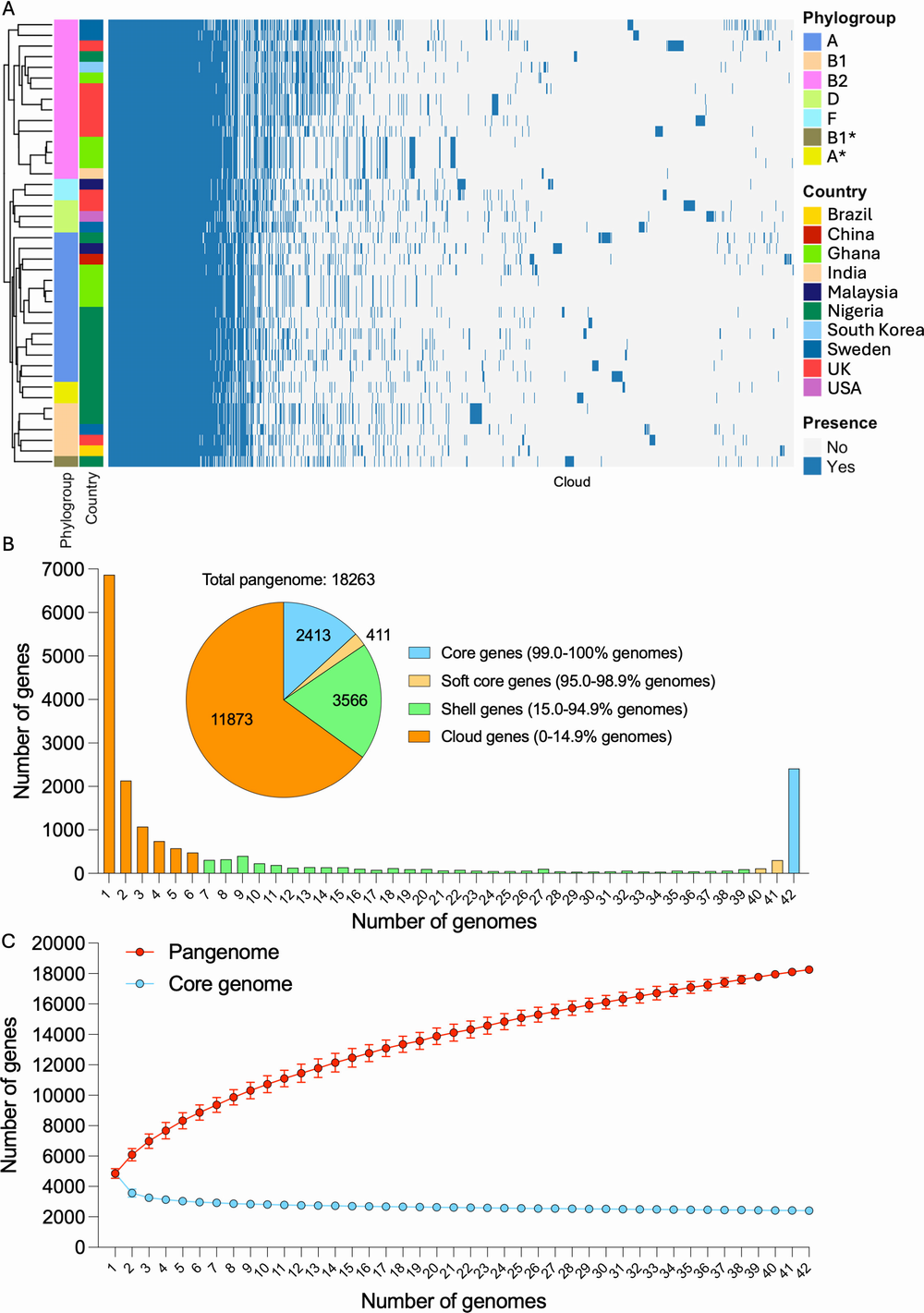
Diabetic foot infections are a serious complications of diabetes and a leading cause of lower-limb...

Social Media Is A Faster Source For Unemployment Data Than Government

Government unemployment data today are what Nielsen TV ratings were decades ago - a flawed metric...

Gestational Diabetes Up 36% In The Last Decade - But Black Women Are Healthiest

Gestational diabetes, a form of glucose intolerance during pregnancy, occurs primarily in women...

Object-Based Processing: Numbers Confuse How We Perceive Spaces

Researchers recently studied the relationship between numerical information in our vision, and...

User picture.
News StaffRSS Feed of this column.

News Releases From All Over The World, Right To You... Read More »

Blogroll

Researchers at Boston Medical Center (BMC) and Boston University School of Public Health (BUSPH) have found that persons infected with the human immunodeficiency virus (HIV), who also have alcohol problems, were negatively affected by co-infection with the hepatitis C virus (HCV). These findings appear in the June issue of Alcoholism: Clinical Experimental Research.

A new analysis has found that many alcohol treatment studies are designed in ways that inadvertently omit women and African-Americans from participation. The Stanford University School of Medicine researcher who led the effort said the findings should remind all scientists that strict study eligibility criteria can have unintended, negative consequences.

In reviewing data from a pool of 100,000 alcohol treatment patients, Keith Humphreys, PhD, professor of psychiatry and behavioral sciences, determined that women and African-Americans were substantially more likely to be excluded from treatment studies than men or non-African-American patients, because of eligibility requirements involving psychiatric problems, employment and housing problems, and drug use.

While heavy drinking has consistently been linked to an increased risk of intimate partner violence (IPV), a new study has found that both drinking patterns and neighborhood characteristics can contribute in different ways to mutual IPV among married/cohabiting adults in the general population.

Results are published in the June issue of Alcoholism: Clinical & Experimental Research.

The link between heavy drinking and increased risk of IPV is fairly well established, according to Carol B. Cunradi, senior research scientist at Prevention Research Center and sole author of the study. However, she noted, IPV researchers are increasingly examining the role of other factors that may exacerbate this link.

Smokers who have a say in how they quit are more likely to try kicking the habit and are more successful, according to new research at the University of Rochester.

Rochester researcher Dr. Geoffrey Williams associate professor of medicine at the University of Rochester School of Medicine and Dentistry, will unveil new findings at a Toronto conference this month that demonstrate patient involvement in a quit plan leads to smokers who are more motivated to quit because they genuinely want to, not because they are being nagged or bullied.

Red imported fire ants (RIFAs), which have caused trouble in Florida and Texas for decades, are now advancing in Virginia. Colonies of the tiny, highly aggressive insects have been observed in the commonwealth since 1989 and, in recent years, have caught the attention of Virginia Tech scientists who are trying to learn more about the increasing number of fire ant infestations.

Cold Spring Harbor Laboratory (CSHL) researchers have identified a function of neuregulin1 (NRG1), a gene previously linked to schizophrenia but whose role in the disease was unknown. "We found that when this gene or this pathway is impaired," explained CSHL's Bo Li. "It starts a chain reaction negatively impacting synapses in the brain which contribute to the abnormal development of brain circuits and may lead to schizophrenia."

By discovering the connections between genes and how they impact synapses and circuits in the brain, research is guiding the development of new strategies to diagnose and treat neurological disease.




