
Banner
E. Coli Linked To Diabetic Foot Infections Gets Worldwide Analysis

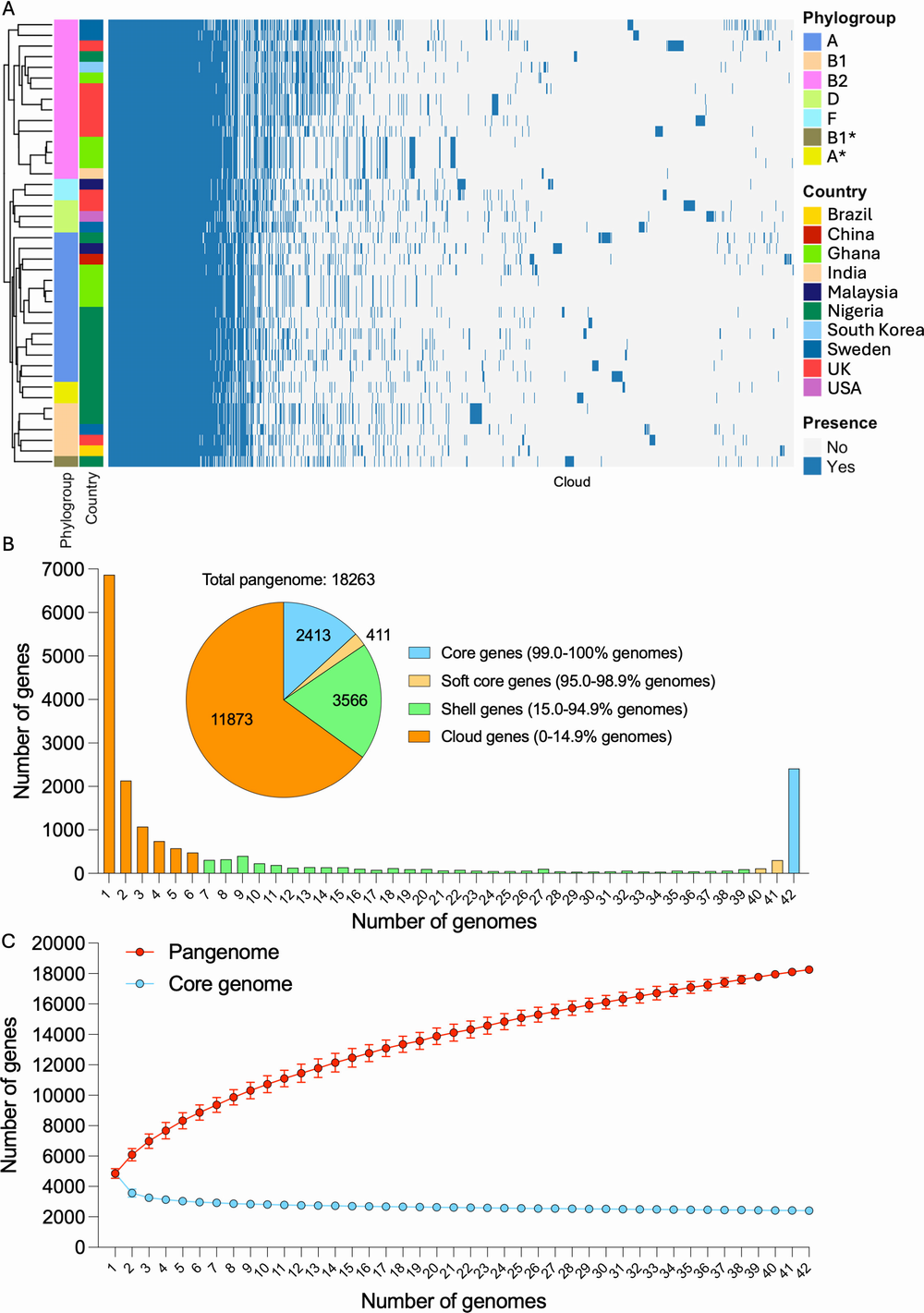
Diabetic foot infections are a serious complications of diabetes and a leading cause of lower-limb...
Social Media Is A Faster Source For Unemployment Data Than Government

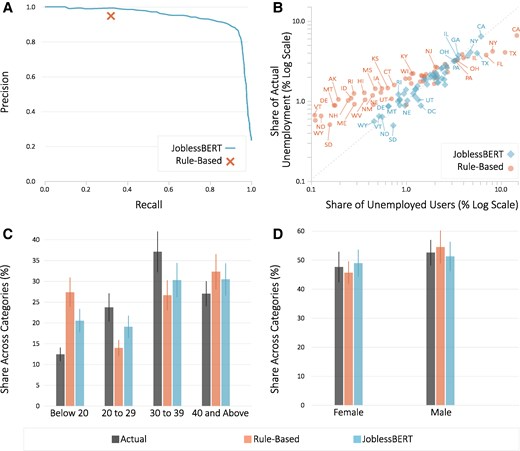
Government unemployment data today are what Nielsen TV ratings were decades ago - a flawed metric...

Gestational Diabetes Up 36% In The Last Decade - But Black Women Are Healthiest

Gestational diabetes, a form of glucose intolerance during pregnancy, occurs primarily in women...
Object-Based Processing: Numbers Confuse How We Perceive Spaces

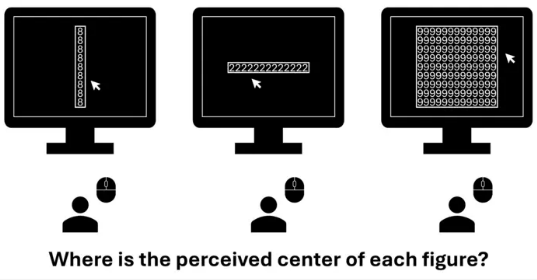
Researchers recently studied the relationship between numerical information in our vision, and...

User picture.
News StaffRSS Feed of this column.

News Releases From All Over The World, Right To You... Read More »

Blogroll

New evidence indicates that small pieces of noncoding genetic material known as microRNAs (miRNAs) might influence cancer susceptibility. Differences in certain miRNAs may predispose some individuals to develop cancer, say researchers.

MiRNAs play a number of roles in biological regulation, including development and cell differentiation, helping to determine what type a cell ultimately becomes. But when damaged, they can contribute to cancer by either turning on cancer-causing genes or by inhibiting tumor-blocking genes. The ways that MiRNAs are expressed have been used to profile tumor types in humans.

Women who regularly enjoy an alcoholic drink or two have a significantly lower risk of having a non-fatal heart attack than women who are life-time abstainers, epidemiologists at the University at Buffalo have shown.

Moderation is the key, however. Women in the study who reported being intoxicated at least once a month were nearly three times more likely to suffer a heart attack than abstainers, results showed.

The genome of the organism that produces the world's most lethal toxin is revealed today. This toxin is the one real weapon in the genome of Clostridium botulinum and less than 2 kg - the weight of two bags of sugar - is enough to kill every person on the planet. Very small amounts of the same toxin are used in medical treatments, one of which is known as Botox®.

The genome sequence, reported in Genome Research, shows that C. botulinum doesn't have subtle tools to evade our human defences or tricky methods of acquiring resistance to antibiotics. It lives either as a dormant spore or as a scavenger of decaying animal materials in the soil, and doesn't interact with human or other large animal hosts for prolonged periods of time.

Next time there is a global pandemic, contaminated water caused by flooding, or questionable-looking meat in a supermarket, we may be reaching for a piece of paper.

It won’t be just any type of paper but a Canadian-invented bioactive paper that contains the ingredients to detect and ward off life-threatening bacteria and viruses like E-coli, salmonella and SARS, to name just a few.

Two genes important for human development and implicated in cancer and schizophrenia also help keep a healthy balance between excitation and inhibition of brain cells, researchers say.

Neuregulin-1 and its receptor, ErbB4, promote inhibition at the site of inhibitory synapses in the brain by increasing release of GABA, a major inhibitory neurotransmitter, Medical College of Georgia researchers led by Dr. Lin Mei report in the May 24 issue of Neuron.

Fragile X syndrome is the most common form of inherited mental retardation, occurring in 1 in 3600 males and 1 in 4000 to 6000 females.

To understand the details of the neuronal pathology of Fragile X syndrome, the researchers studied mice in which the same gene that causes the disease in humans had been knocked out. The scientists performed a detailed analysis of the electrophysiological properties of neurons in the prefrontal cortex, a region responsible for higher cognitive functions, including learning and memory, that are affected in humans with the disorder.



