Banner
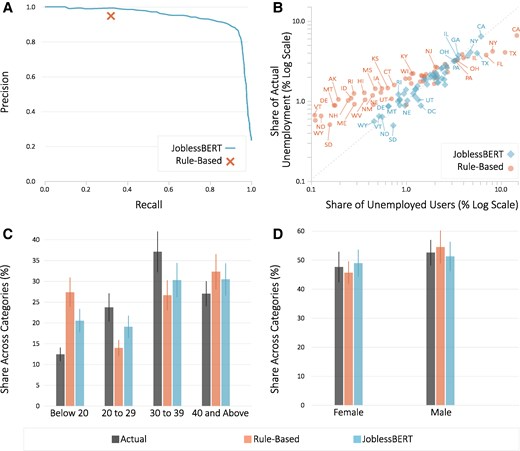
Social Media Is A Faster Source For Unemployment Data Than Government

Government unemployment data today are what Nielsen TV ratings were decades ago - a flawed metric...
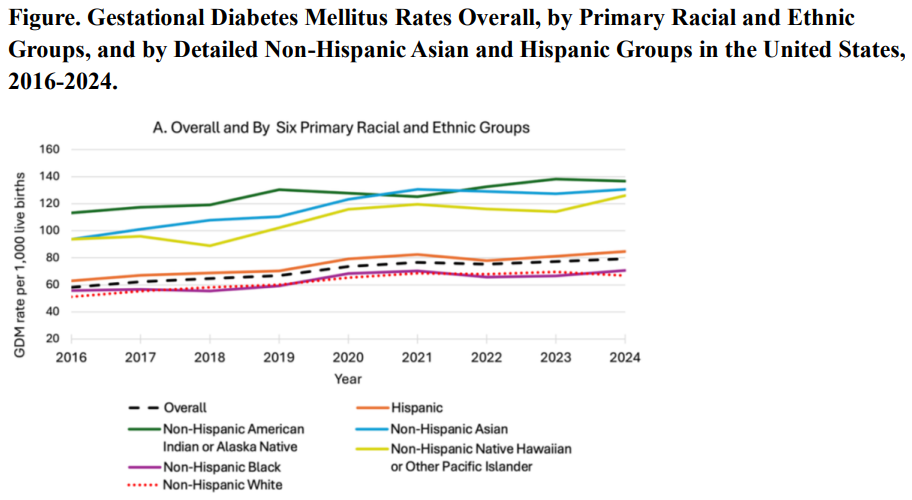
Gestational Diabetes Up 36% In The Last Decade - But Black Women Are Healthiest

Gestational diabetes, a form of glucose intolerance during pregnancy, occurs primarily in women...
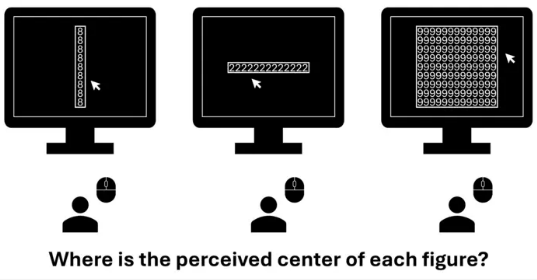
Object-Based Processing: Numbers Confuse How We Perceive Spaces

Researchers recently studied the relationship between numerical information in our vision, and...
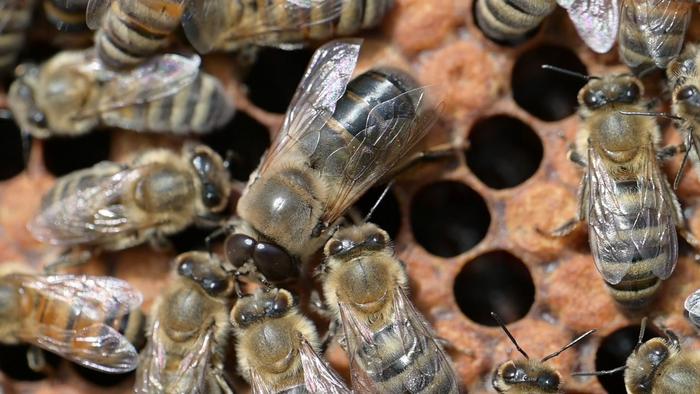
Males Are Genetically Wired To Beg Females For Food

Bees have the reputation of being incredibly organized and spending their days making sure our...

User picture.
News StaffRSS Feed of this column.

News Releases From All Over The World, Right To You... Read More »

Blogroll

A smokeless cannabis-vaporizing device delivers the same level of active therapeutic chemical and produces the same biological effect as smoking cannabis, but without the harmful toxins, according to UCSF researchers.

"We showed in a recent paper in the journal ‘Neurology’ that smoked cannabis can alleviate the chronic pain caused by HIV-related neuropathy, but a concern was expressed that smoking cannabis was not safe. This study demonstrates an alternative method that gives patients the same effects and allows controlled dosing but without inhalation of the toxic products in smoke," said study lead author Donald I. Abrams, MD, UCSF professor of clinical medicine.

It's a cooker, a fridge and a generator in one, it uses thermoacoustics to convert biofuels to energy — and it could have a huge impact on the lives of people in the world's poorest communities, where access to electricity is extremely limited.

The SCORE (Stove for Cooking, Refrigeration and Electricity) project brings together experts from across the world to develop a wood-powered generator capable of both cooking and cooling food.

Astronomers have long suspected the existence of the invisible substance of dark matter as the source of additional gravity that holds together galaxy clusters. Otherwise, astronomers say, the clusters would fly apart if they relied only on the gravity from their visible stars. Although astronomers don't know what dark matter is made of, they hypothesize that it is a type of elementary particle that pervades the Universe.

In a result just published, astronomers using the NASA/ESA Hubble Space Telescope report the discovery of a ring of dark matter in the cluster ZwCl0024+1652.

Hormones in children's saliva may be a biological indicator of the trauma kids undergo when they are chronically bullied by peers, according to researchers who say biological markers can aid in the early recognition and intervention of long-term psychological effects on youth.

"Bullying is mainly self-reported either by students or observed by teachers," said JoLynn V. Carney, associate professor of counselor education at Penn State.

The outbreak of severe acute respiratory syndrome (SARS) in 2002 was a loud wake-up call for researchers studying infectious diseases. SARS infected over 8,000 people, killed 10 percent of those infected, and weakened most with pneumonia.

"The SARS outbreak was a strong reminder that new viruses can emerge, and whether new or old, pathogens can cause not only significant disease and death, but they can also have a global socioeconomic impact," said Brenda Hogue, an associate professor in the Biodesign Institute’s Center for Infectious Diseases and Vaccinology and School of Life Sciences. Hogue has been involved in a big push to uncover some of the key clues behind coronavirus illness.

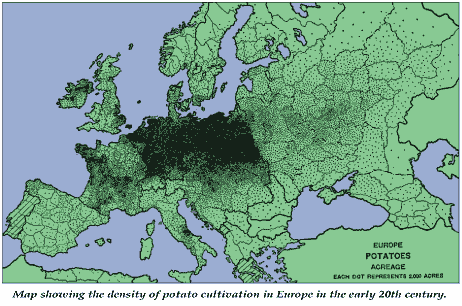
Molecular studies recently revealed new genetic information concerning the long-disputed origin of the “European potato.” Scientists from the University of Wisconsin-Madison, the University of La Laguna, and the International Potato Center used genetic markers to prove that the remnants of the earliest known landraces of the European potato are of Andean and Chilean origin.

“European potatoes,” the cultivated potatoes first appearing in Europe and later spreading worldwide, were first recorded outside of the Americas in 1567 on the Canary Islands Archipelago. Today, scientists believe that the remnant landraces of these early potatoes still grow in on the Canary Islands.


Courtesy: History Magazine