Banner
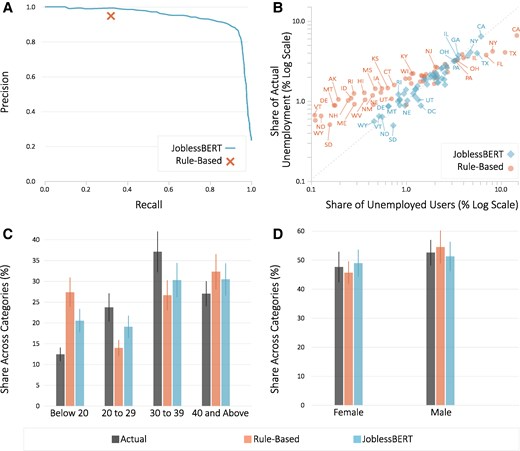
Social Media Is A Faster Source For Unemployment Data Than Government

Government unemployment data today are what Nielsen TV ratings were decades ago - a flawed metric...

Gestational Diabetes Up 36% In The Last Decade - But Black Women Are Healthiest

Gestational diabetes, a form of glucose intolerance during pregnancy, occurs primarily in women...
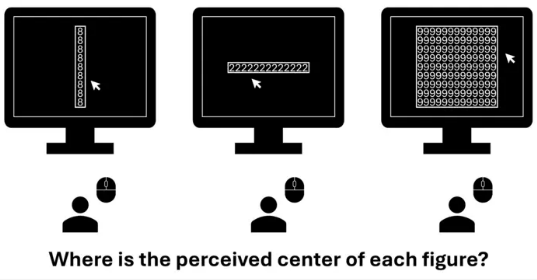
Object-Based Processing: Numbers Confuse How We Perceive Spaces

Researchers recently studied the relationship between numerical information in our vision, and...
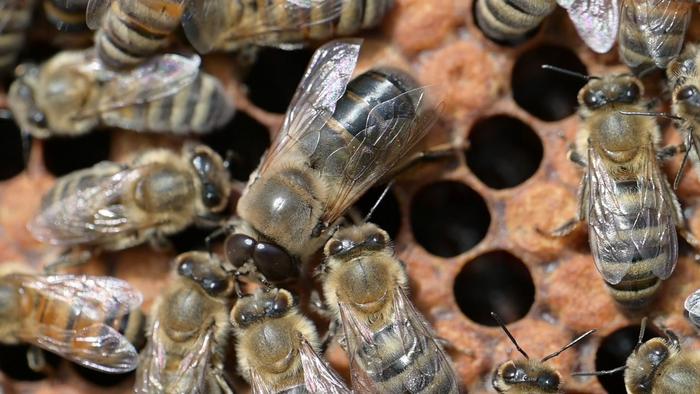
Males Are Genetically Wired To Beg Females For Food

Bees have the reputation of being incredibly organized and spending their days making sure our...

User picture.
News StaffRSS Feed of this column.

News Releases From All Over The World, Right To You... Read More »

Blogroll

If kidney cancer is diagnosed early -- before it spreads -- 80 percent of patients survive. However, finding it early has been among the disease's greatest challenges.

Now, researchers at Washington University School of Medicine in St. Louis have developed a noninvasive method to screen for kidney cancer that involves measuring the presence of proteins in the urine.

The findings are reported March 19 in the journal JAMA Oncology.

The researchers found that the protein biomarkers were more than 95 percent accurate in identifying early-stage kidney cancers. In addition, there were no false positives caused by non-cancerous kidney disease.

"These biomarkers are very sensitive and specific to kidney cancer," said senior author Evan D. Kharasch, MD, PhD.

Scientists have turned to the opossum to develop a promising new and inexpensive antidote for poisonous snake bites. They predict it could save thousands of lives worldwide without the side effects of current treatments.

Worldwide, an estimated 421,000 cases of poisonous snake bites and 20,000 deaths from these bites occur yearly, according to the International Society on Toxicology.

The place of religions and belief systems, especially Christianity, in the school curriculum is a sensitive issue provoking much discussion and debate in Australia.

The issue came to head in Britain last year with what has been titled the “Trojan Horse affair”. A small number of Islamic schools were investigated about the types of values being taught. The investigations led to Prime Minister David Cameron arguing that all schools must teach what it means to be British.

Scientists at the University of Cambridge have successfully created 'mini-lungs' using stem cells derived from skin cells of patients with cystic fibrosis, and have shown that these can be used to test potential new drugs for this debilitating lung disease.

The research is one of a number of studies that have used stem cells - the body's master cells - to grow 'organoids', 3D clusters of cells that mimic the behaviour and function of specific organs within the body. Other recent examples have been 'mini-brains' to study Alzheimer's disease and 'mini-livers' to model liver disease. Scientists use the technique to model how diseases occur and to screen for potential drugs; they are an alternative to the use of animals in research.

Microbes may just be the next diet craze. Researchers have programmed bacteria to generate a molecule that, through normal metabolism, becomes a hunger-suppressing lipid. Mice that drank water laced with the programmed bacteria ate less, had lower body fat and staved off diabetes -- even when fed a high-fat diet -- offering a potential weight-loss strategy for humans.

If every new car made in the United States had a built-in blood alcohol level tester that prevented impaired drivers from driving the vehicle, how many lives could be saved, injuries prevented, and injury-related dollars used for something else?