
Banner
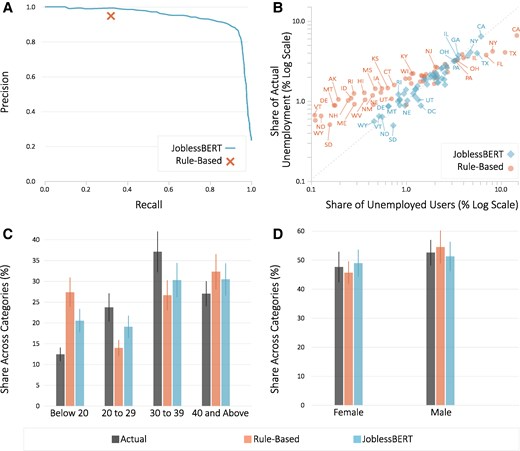
Social Media Is A Faster Source For Unemployment Data Than Government

Government unemployment data today are what Nielsen TV ratings were decades ago - a flawed metric...
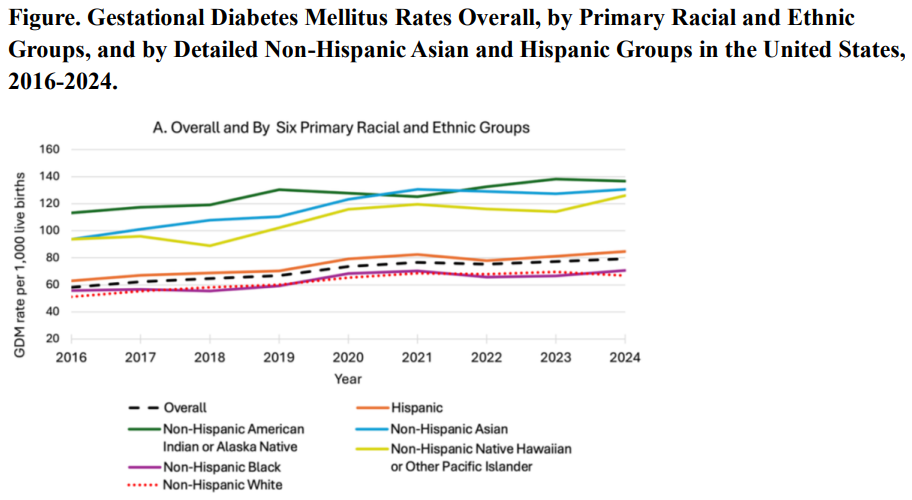
Gestational Diabetes Up 36% In The Last Decade - But Black Women Are Healthiest

Gestational diabetes, a form of glucose intolerance during pregnancy, occurs primarily in women...

Object-Based Processing: Numbers Confuse How We Perceive Spaces

Researchers recently studied the relationship between numerical information in our vision, and...

Males Are Genetically Wired To Beg Females For Food

Bees have the reputation of being incredibly organized and spending their days making sure our...

User picture.
News StaffRSS Feed of this column.

News Releases From All Over The World, Right To You... Read More »

Blogroll

A new study has found women who smoke when pregnant are putting their daughters at a greater risk of developing ovarian and breast cancer later in life.

The Australian National University (ANU) study, published in Human Reproduction, found mothers who reported smoking most days while pregnant had daughters who had an earlier age of first menstruation, or menarche.

Lead researcher Dr Alison Behie said reaching menarche at an earlier age increases the number of ovulation cycles a woman will have in her life, and puts her at greater risk of developing reproductive cancers possibly due to increased exposure to hormones such as oestrogen.

Temple University researchers have assembled the largest and most accurate tree of life calibrated to time, and surprisingly, it reveals that life has been expanding at a constant rate.

"The constant rate of diversification that we have found indicates that the ecological niches of life are not being filled up and saturated," said Temple professor S. Blair Hedges, a member of the research team's study, published in the early online edition of the journal Molecular Biology and Evolution. "This is contrary to the popular alternative model which predicts a slowing down of diversification as niches fill up with species."

Taking omega-3 fatty acids appeared to lower inflammation and guard against further declines in heart function among recent heart attack survivors already receiving optimal standard care, according to results from a randomized, controlled trial to be presented at the American College of Cardiology's 64th Annual Scientific Session in San Diego.

Drug testing is most commonly performed using urine samples and its accuracy has made it the gold standard, but collecting samples is inconvenient so a group of researchers from the Department of Laboratory Medicine at the Karolinska Institute in Sweden have been working on developing an alternative to urine testing that focuses on exhaled breath.

Professor Olof Beck, lead researcher of the study, and his team have developed the first fully validated and robust screening method for the routine measurement of drugs of abuse in exhaled breath. The procedure involves a simple method of sample collection and preparation, which is followed by a highly sensitive analytical technique known as LC-MS (Liquid chromatography-mass spectrometry).

Thousands of genetic "dimmer" switches, regions of DNA known as regulatory elements, were turned up high during human evolution in the developing cerebral cortex, according to new research from the Yale School of Medicine.

Unlike in rhesus monkeys and mice, these switches show increased activity in humans, where they may drive the expression of genes in the cerebral cortex, the region of the brain that is involved in conscious thought and language. This difference may explain why the structure and function of that part of the brain is so unique in humans compared to other mammals.

The research, led by James P. Noonan, Steven K. Reilly, and Jun Yin, is published March 6 in the journal Science.

A recent study shows differences in brain structure according to how trusting people are of others.

The psychologists used two measures to determine the trust levels of 82 study participants. Participants filled out a self-reported questionnaire about their tendency to trust others. They also were shown pictures of faces with neutral facial expressions and asked to evaluate how trustworthy they found each person in the picture. This gave researchers a metric, on a spectrum, of how trusting each participant was of others.

Researchers then took MRI scans of the participants' brains to determine how brain structure is associated with the tendency to be more trusting of others. What they found were differences in two areas of the brain.



