

Banner
The Scorched Cherry Twig And Other Christmas Miracles Get A Science Look

Bleeding hosts and stigmatizations are the best-known medieval miracles but less known ones, like ...

$0.50 Pantoprazole For Stomach Bleeding In ICU Patients Could Save Families Thousands Of Dollars

The inexpensive medication pantoprazole prevents potentially serious stomach bleeding in critically...
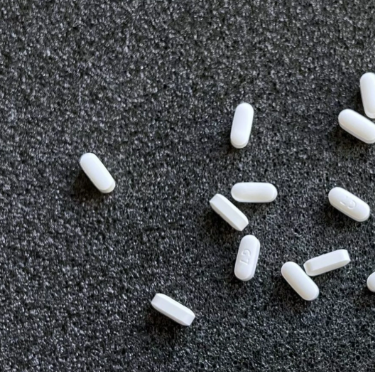
Metformin Diabetes Drug Used Off-Label Also Reduces Irregular Heartbeats

Adults with atrial fibrillation (AFib) who are not diabetic but are overweight and took the diabetes...

Your Predator: Badlands Future - Optical Camouflage, Now Made By Bacteria

In the various 'Predator' films, the alien hunter can see across various spectra while enabling...

User picture.
News StaffRSS Feed of this column.

News Releases From All Over The World, Right To You... Read More »

Blogroll

Bats are masters of flight, even at night. The best pilots in World War II would have to be envious of their steep nosedives and sharp turns.

But when we think about bats and flying, most people think of echolocation and their built-in radar. But that doesn't help while banking hard left. Instead, it is the sensation of touch - bats have a unique array of sensory receptors in their wings and provide feedback to during flight. A new study in Cell Reports suggests neurons in the bat brain respond to incoming airflow over the wings, noted by touch signals, and they make rapid adjustments to wing position to optimize flight control. 

Few doctors are prescribing a low-cost drug that has been proven effective in preventing the onset of diabetes, according to a study in Annals of Internal Medicine which found that only 3.7 percent of U.S. adults with pre-diabetes were prescribed metformin during a recent three-year period.

Metformin and lifestyle changes both can prevent the onset of diabetes, but people often struggle to adopt healthier habits, according to Dr. Tannaz Moin, the study's lead author and an assistant professor of medicine in the division of endocrinology at the David Geffen School of Medicine at UCLA and at VA Greater Los Angeles.

"The word, virus, connotes morbidity and mortality, but that bad reputation is not universally deserved," said Marilyn Roossinck, PhD, Professor of Plant Pathology and Environmental Microbiology and Biology at the Pennsylvania State University, University Park. "Viruses, like bacteria, can be important beneficial microbes in human health and in agriculture," she said. Her review of the current literature on beneficial viruses appeared ahead of print April 24 in the Journal of Virology, which is published by the American Society for Microbiology.

More than 1,000 dams have been removed across the United States because of safety concerns, sediment buildup, inefficiency or having otherwise outlived usefulness. A paper published today in Science finds that rivers are resilient and respond relatively quickly after a dam is removed.

"The apparent success of dam removal as a means of river restoration is reflected in the increasing number of dams coming down, more than 1,000 in the last 40 years," said lead author of the study Jim O'Connor, geologist with the U.S. Geological Survey. "Rivers quickly erode sediment accumulated in former reservoirs and redistribute it downstream, commonly returning the river to conditions similar to those prior to impoundment."

Clinics are advertising stem cell treatments using exceptions in FDA regulations, according to a new paper. 

In proof-of-concept experiments, researchers at University of California, San Diego School of Medicine demonstrate the ability to tune medically relevant cell behaviors by manipulating a key hub in cell communication networks. The manipulation of this communication node, reported in this week's issue of Proceedings of the National Academy of Sciences, makes it possible to reprogram large parts of a cell's signaling network instead of targeting only a single receptor or cell signaling pathway.


