Banner
Why Antarctic Sea Ice Stopped Growing In 2015

Though numerical models and popular films like An Inconvenient Truth projected Arctic ice...
Wealth Correlated To Loneliness

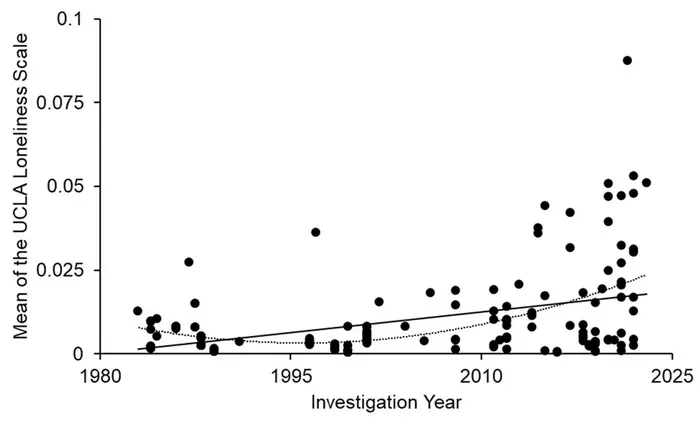
You may have read that Asian cultures respect the elderly more than Europe but Asian senior citizens...
Ousiometrics Analysis Says All Human Language Is Biased

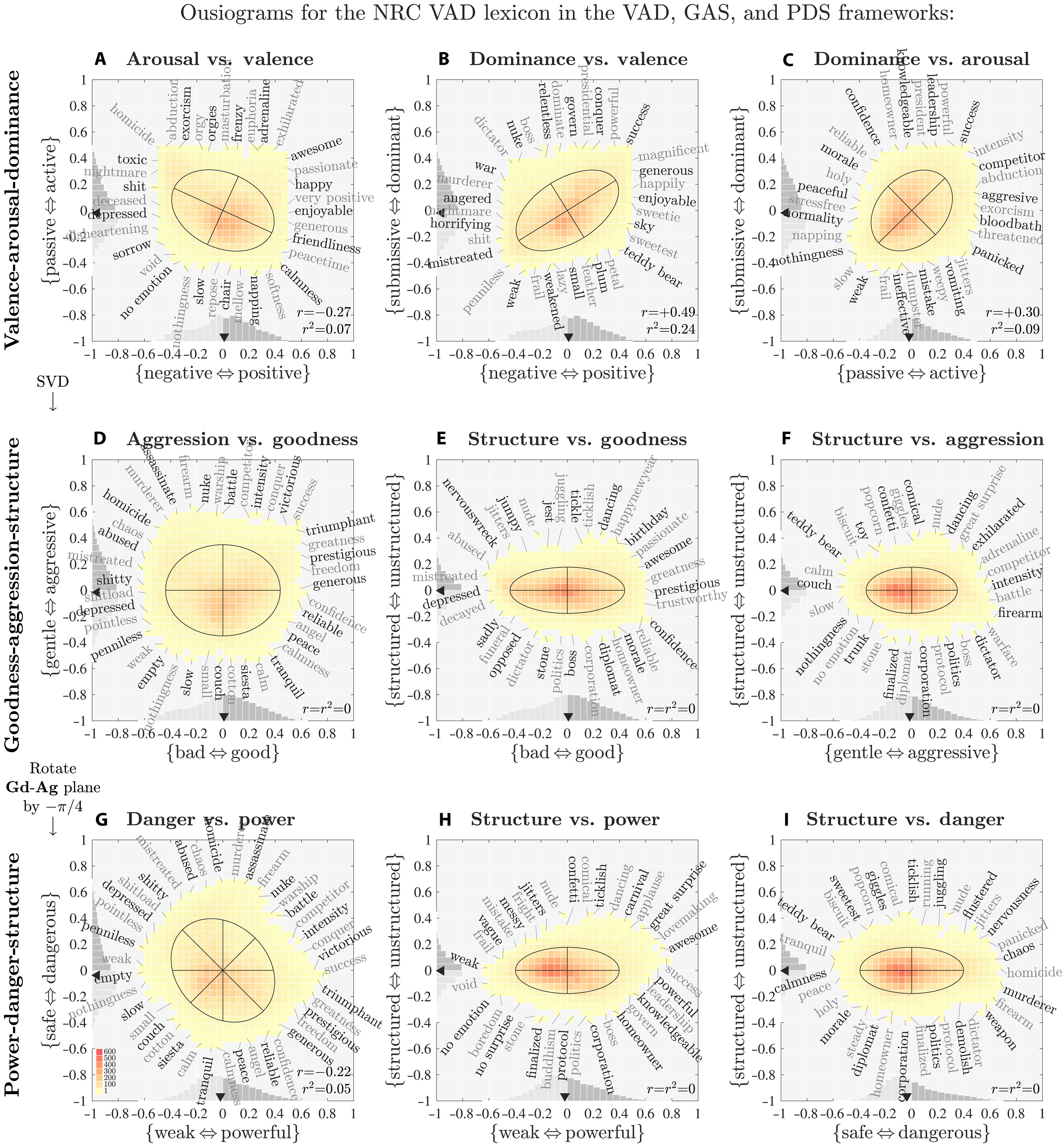
A new tool drawing on billions of uses of more than 20,000 words and diverse real-world texts claims...
Wavelengths Of Light Are Why CO2 Cools The Upper Atmosphere But Warms Earth

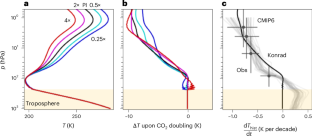
There are concerns about projected warming on the Earth’s surface and in the lower atmosphere...

User picture.
News StaffRSS Feed of this column.

News Releases From All Over The World, Right To You... Read More »

Blogroll

A new paper suggests a need for a fundamental rethink of the evolutionary path of enzymes, the proteins vital to all life on Earth.

Enzymes catalyze a vast array of biologically relevant chemical reactions even in the simplest living cells but biochemist Dr. Wayne Patrick of University of Otago and colleagues assert that while people tend to imagine evolution as a slow and steady march, from barely functional life forms in the primordial soup towards a modern-day pinnacle of near perfection, that may not be true. 

There is not the slightest doubt that the the universe is real. It is three-dimensional.

But one popular alternative notion has been the "holographic principle", which asserts that a mathematical description of the universe only requires two dimensions. What we perceive as three dimensional may just be the image of two dimensional processes on a huge cosmic horizon. 

Up until now, this speculation has only been mathematically analyzed in exotic spaces with negative curvature. Math, like any language, can talk about lots of things that are not possible and such spaces are quite different from the space in our own universe.

A new paper suggests that the holographic principle even holds in a flat spacetime.

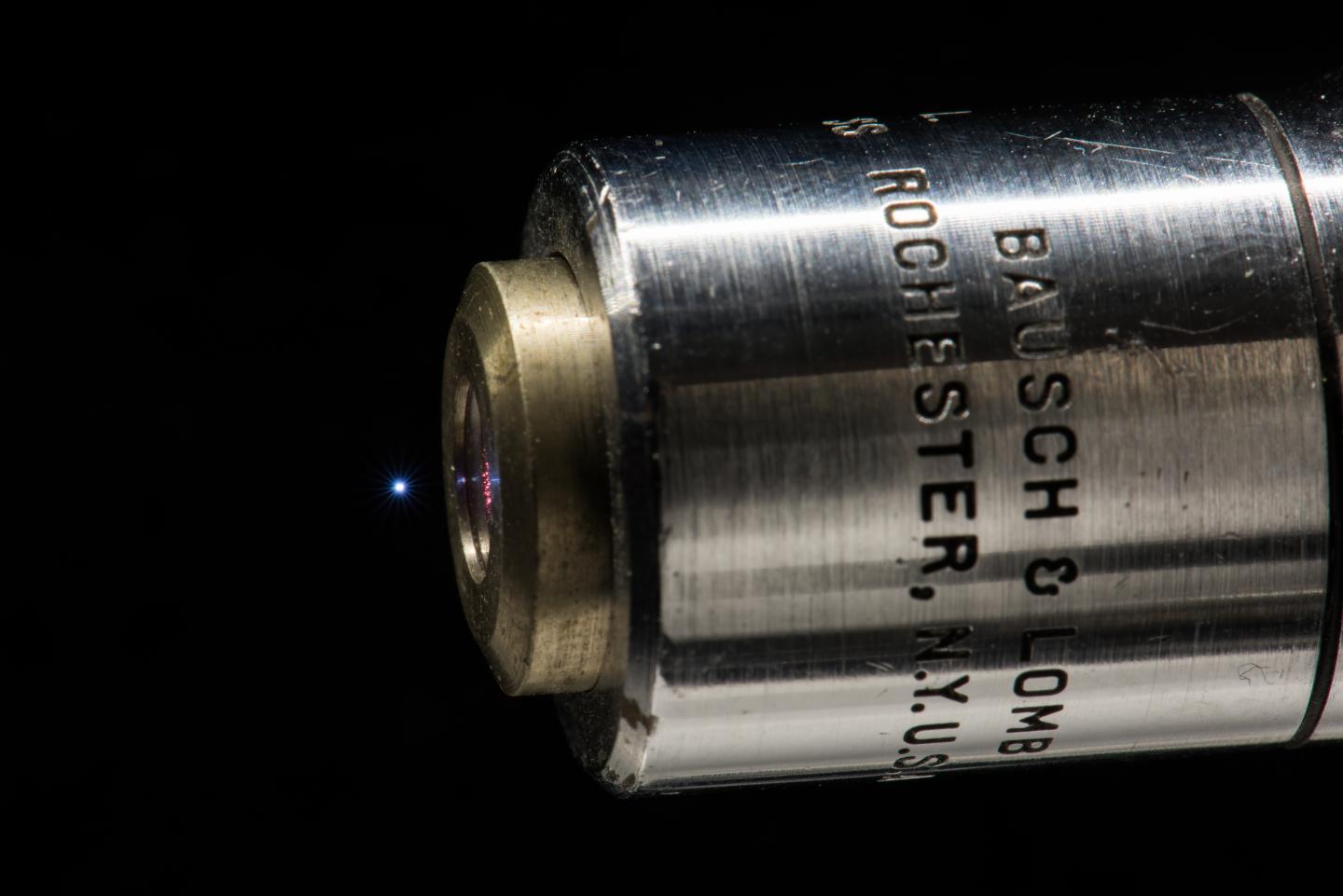
Scientists have developed the first liquid nanoscale laser and it's tunable in real time, meaning you can quickly and simply produce different colors, a unique and useful feature. The laser technology could lead to practical applications, such as a new form of a "lab on a chip" for medical diagnostics.The laser's color can be changed in real time when the liquid dye in the microfluidic channel above the laser's cavity is changed.

The brain function of people addicted to cocaine is different from that of people who are not addicted, and often linked to highly impulsive behavior. The variation in the way that different regions of the brain connect, communicate and function in people addicted to cocaine is an observation published in NeuroImage: Clinical. 

Cocaine addiction exists among an estimated 800,000 people in the U.S. alone, but despite decades of attempts, FDA-approved medications for cocaine use disorder remain to be discovered. 

Researchers have shown that a laser-generated microplasma in air can be used as a source of broadband terahertz radiation.

In a paper published this week in Optica, Fabrizio Buccheri and Xi-Cheng Zhang demonstrate that an approach for generating terahertz waves using intense laser pulses in air - first pioneered in 1993 - can be done with much lower power lasers, a major challenge until now. Ph.D. student and lead author Buccheri explains that they exploited the underlying physics to reduce the necessary laser power for plasma generation. He adds that it could potentially be improved for applications in the monitoring of explosives or drugs.

The first large international study to investigate the late side-effects of a combination of two forms of brachytherapy to treat cervical cancer has shown that the technique successfully delivers higher radiation doses to the tumour without an increase in treatment-related problems afterwards.