
Banner
Why Antarctic Sea Ice Stopped Growing In 2015

Though numerical models and popular films like An Inconvenient Truth projected Arctic ice...

Wealth Correlated To Loneliness

You may have read that Asian cultures respect the elderly more than Europe but Asian senior citizens...
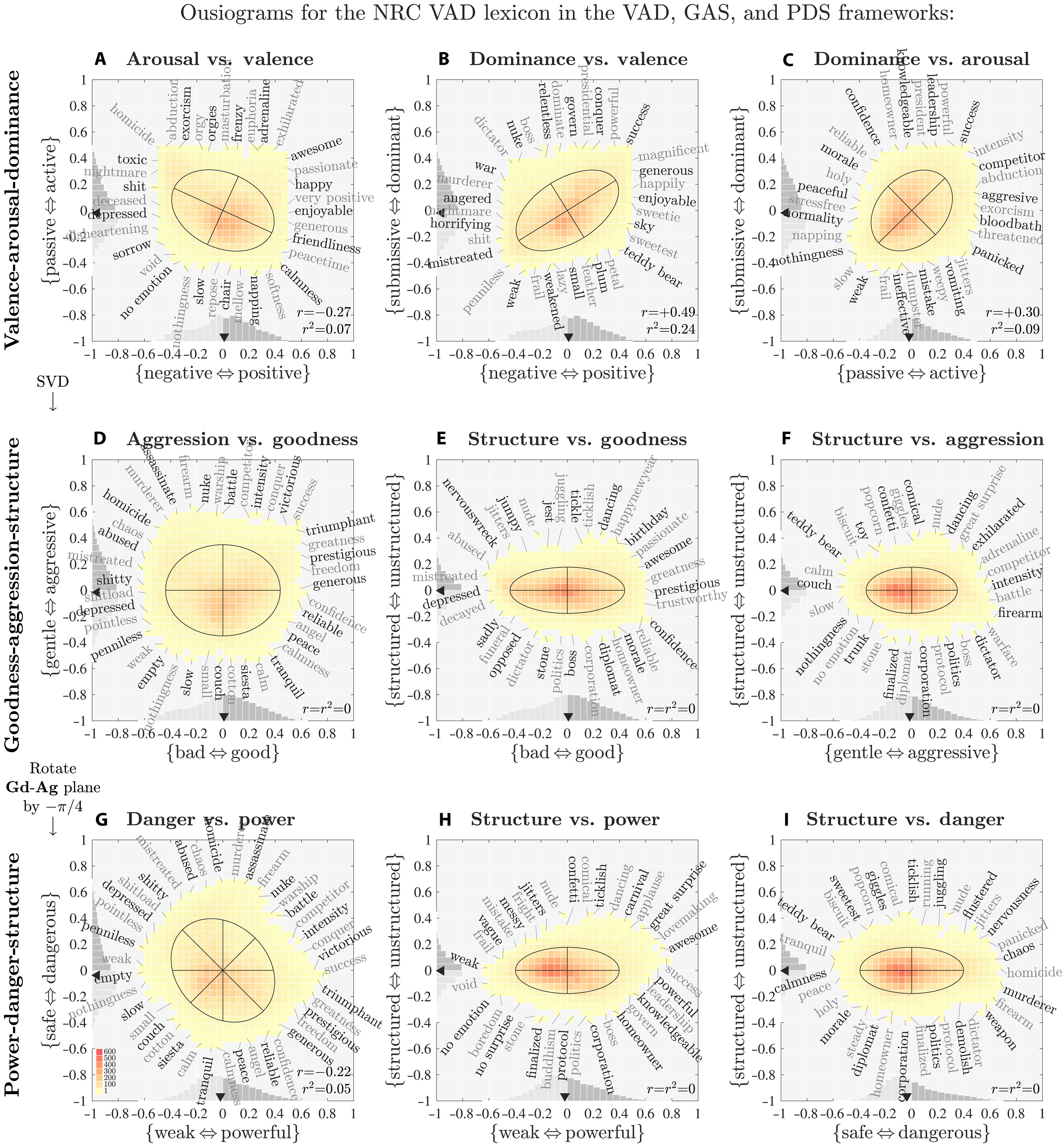
Ousiometrics Analysis Says All Human Language Is Biased

A new tool drawing on billions of uses of more than 20,000 words and diverse real-world texts claims...
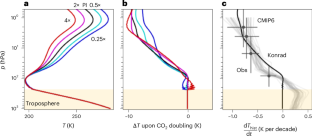
Wavelengths Of Light Are Why CO2 Cools The Upper Atmosphere But Warms Earth

There are concerns about projected warming on the Earth’s surface and in the lower atmosphere...

User picture.
News StaffRSS Feed of this column.

News Releases From All Over The World, Right To You... Read More »

Blogroll

The introduction of abuse-deterrent OxyContin, coupled with the removal of propoxyphene from the US prescription marketplace, are getting the credit for decreasing opioid prescribing and overdoses in JAMA Internal Medicine.

Those two changes led to a 19 percent drop in prescription opioid supply that was mirrored by a 20 percent drop in prescription opioid overdose between August 2010 and December 2012. The drop in prescription opioid overdose was partially offset by an increase in overdose due to heroin, an illicit opioid.

Household pets can transmit infection to people, especially those with weak immune systems, young children, pregnant women and seniors, according to a new study. Health care providers and pet owners should be aware of this risk to prevent illness in vulnerable people.

Surveys suggest that the general public and people at high risk for pet-associated disease are not aware of the risks associated with high-risk pet practices or recommendations to reduce them; for example, 77% of households that obtained a new pet following a cancer diagnosis acquired a high-risk pet," states Dr. Jason Stull, assistant professor, Department of Veterinary Preventive Medicine, Ohio State University, Columbus, Ohio.

The immune-boosting properties of breast milk have long been known and experiments in mice are beginning to show another way how. A team of scientists led by Johns Hopkins pediatric surgeon-in-chief David Hackam, M.D., Ph.D., says their experiments reveal how breast milk works to ward off the development of necrotizing enterocolitis (NEC), a devastating intestinal disorder that affects 12 percent of premature babies and claims the lives of one in four of those who have it.

If affirmed in human studies, the experiments could pave the way to new preventive approaches to stave off NEC in premature babies and spark the development of treatments for those who develop the condition.

Following a first seizure, physicians should discuss with patients whether it is appropriate to prescribe medication to reduce risk of another seizure, according to new guidelines released at the latest American Academy of Neurology meeting. 

Human tumors grown in mouse models have long been used to test promising anti-cancer therapies. However, when a human tumor is transplanted into a mouse, the mouse immune system must be knocked down so that it doesn't attack the foreign tumor tissue, thus allowing the tumor to grow. A University of Colorado Cancer Center study describes a new model, XactMice, in which human blood stem cells are used to grow a "humanized" mouse immune system prior to tumor transplantation.

As the search continues for Earth-size planets orbiting at just the right distance from their star, a region termed the habitable zone, the number of potentially life-supporting planets grows. In two decades we have progressed from having no extrasolar planets to having too many to search. Narrowing the list of hopefuls requires looking at extrasolar planets in a new way.

But Tau Ceti already doesn't make the cut.






