
Banner
Why Antarctic Sea Ice Stopped Growing In 2015

Though numerical models and popular films like An Inconvenient Truth projected Arctic ice...

Wealth Correlated To Loneliness

You may have read that Asian cultures respect the elderly more than Europe but Asian senior citizens...
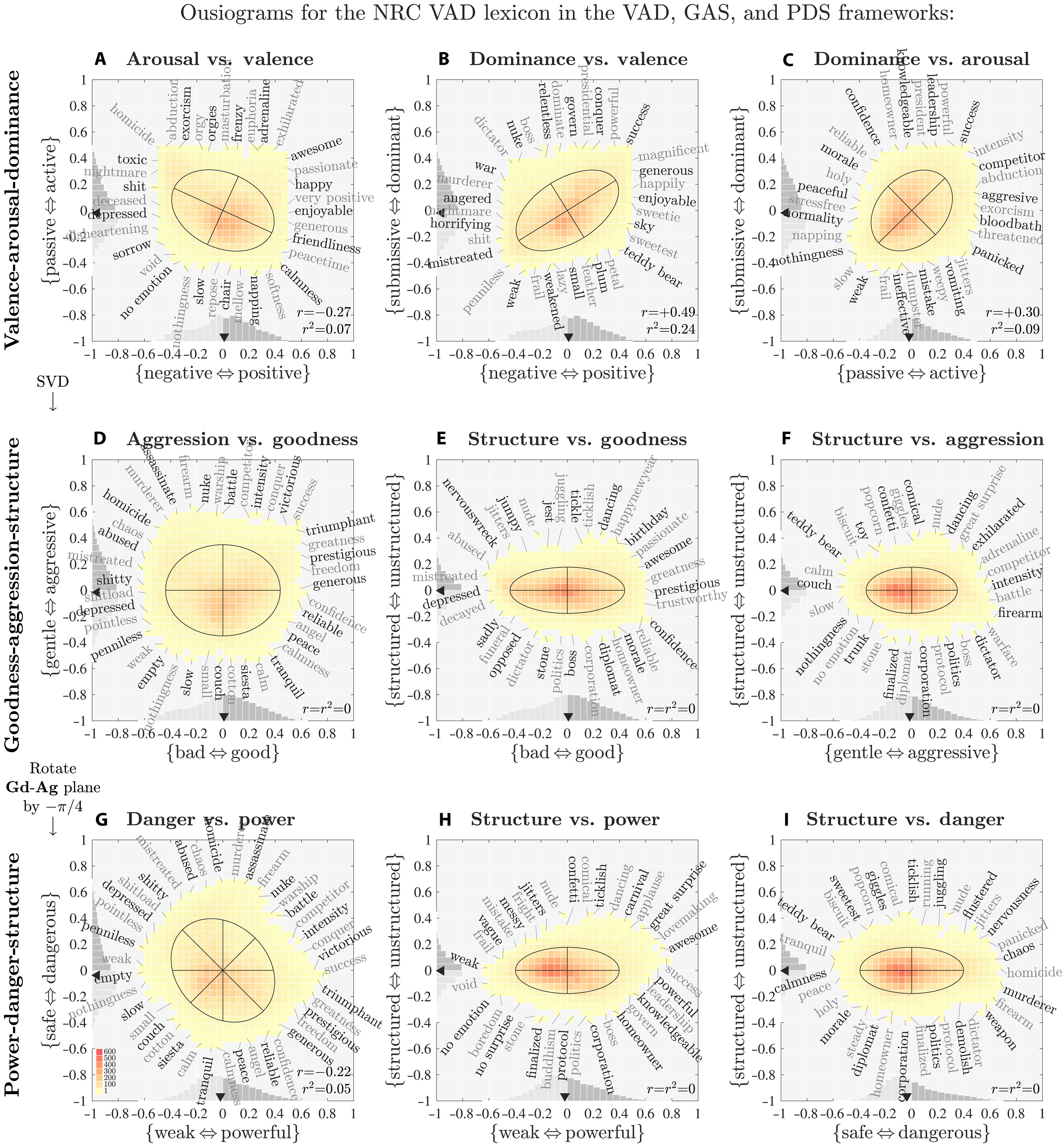
Ousiometrics Analysis Says All Human Language Is Biased

A new tool drawing on billions of uses of more than 20,000 words and diverse real-world texts claims...
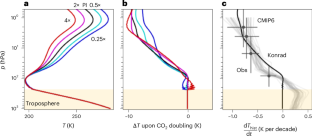
Wavelengths Of Light Are Why CO2 Cools The Upper Atmosphere But Warms Earth

There are concerns about projected warming on the Earth’s surface and in the lower atmosphere...

User picture.
News StaffRSS Feed of this column.

News Releases From All Over The World, Right To You... Read More »

Blogroll

A genetic test that can prevent 'killer' bees from spreading around the world has been created in a new research effort.

Africanized honeybees are highly aggressive and very difficult to manage relative to European honeybees used by Canadian and Australian beekeepers. The international trade in honeybees is restricted, due in part to bans on import of queens from countries such as the United States, where Africanized honeybees are present. 

Tumor necrosis factor (TNF), an immune system regulatory protein that promotes inflammation, also helps regulate sensitivity to bitter taste, a finding which may provide a mechanism to explain the taste system abnormalities and decreased food intake that can be associated with infections, autoimmune disorders, and chronic inflammatory diseases. 

Because TNF is known to suppress food intake, the current study asked whether TNF affects food intake via the taste system. The findings are published online ahead of print in the journal Brain, Behavior, and Immunity.

Many scientists assume that the growing level of carbon dioxide in the atmosphere will accelerate plant growth but a new study suggests much of this growth will be curtailed by limited soil nutrients so that by the end of the century, there may be more 10 percent more CO2 in the atmosphere, which would accelerate climate change.  

Cory Cleveland, a University of Montana associate professor of biogeochemistry, and co-authors looked at 11 leading climate models to examine changes in nitrogen and phosphorous. They found that nitrogen limitation actually will reduce plant uptake of CO2 by 19 percent, while a combined nitrogen and phosphorous limitation will reduce plant uptake by 25 percent. 

Sweet potatoes, one of the most important food crops for human consumption, contain genes from the bacterium Agrobacterium but that was not done by scientists. The foreign DNA that turned sweet potatoes into a GMO was put there by nature.

The researchers discovered the foreign DNA sequences of Agrobacterium while searching the genome - this is the entire DNA-code - of sweet potato for viral diseases. Instead of contributing this peculiar finding to bacterial contamination of the plant samples, the researchers decided to study these sequences in more detail.

A study of disease dynamics in a California grassland has shed light on fundamental principles underlying the spread of pathogens among species, according to researchers at the University of California, Santa Cruz who measured the amount of disease on the leaves of plants in a meadow on campus.

They found that the amount of disease on each species depended on how common it was, as well as on the abundance of its close relatives. The results were a tight link between the structure of a plant community and the vulnerability of individual species to disease. In addition, when the researchers introduced novel plant species into the grassland, they were able to predict which ones would be most strongly affected by naturally occurring diseases. 

Researchers have determined that the eardrum evolved independently in mammals and diapsids - the taxonomic group that includes reptiles and birds. Published in Nature Communications, the work shows that the mammalian eardrum depends on lower jaw formation, while that of diapsids develops from the upper jaw. Significantly, the researchers used techniques borrowed from developmental biology to answer a question that has intrigued paleontologists for years.





