Banner
Why Antarctic Sea Ice Stopped Growing In 2015

Though numerical models and popular films like An Inconvenient Truth projected Arctic ice...

Wealth Correlated To Loneliness

You may have read that Asian cultures respect the elderly more than Europe but Asian senior citizens...

Ousiometrics Analysis Says All Human Language Is Biased

A new tool drawing on billions of uses of more than 20,000 words and diverse real-world texts claims...

Wavelengths Of Light Are Why CO2 Cools The Upper Atmosphere But Warms Earth

There are concerns about projected warming on the Earth’s surface and in the lower atmosphere...

User picture.
News StaffRSS Feed of this column.

News Releases From All Over The World, Right To You... Read More »

Blogroll
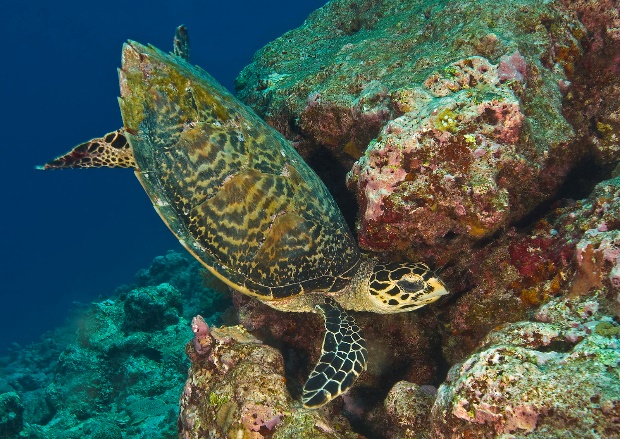
An analysis of 22 years of data on hawksbill turtles in the Arnavons, located in the Solomon Islands, shows signs of recovery after 150 years of excessive hunting by natives.

The data included both beach counts and turtle tagging data and show a 200% increase from record lows in the 1990s, when the turtles had been hunted to the brink of extinction. Many of the hawksbill turtles that nest at the Arnavon Community Marine Conservation Area forage in distant Australian waters, and nesting on the Arnavons occurs throughout the year, with peak nesting activity coinciding with the austral winter. 


Credit: The Nature Conservancy

A new review of existing studies suggests a gradual, prolonged release of greenhouse gases from permafrost soils in Arctic and sub-Arctic regions.

That sounds like bad news, and it is, but the good news is it actually means more time to adjust to ways to reduce emissions and prevent it from happening at all.  In the original global warming scenarios, climate scientists contended that as permafrost thawed, carbon would be released in a big “bomb” and significantly accelerate climate warming.  But a gradual case means more time to fix things. 
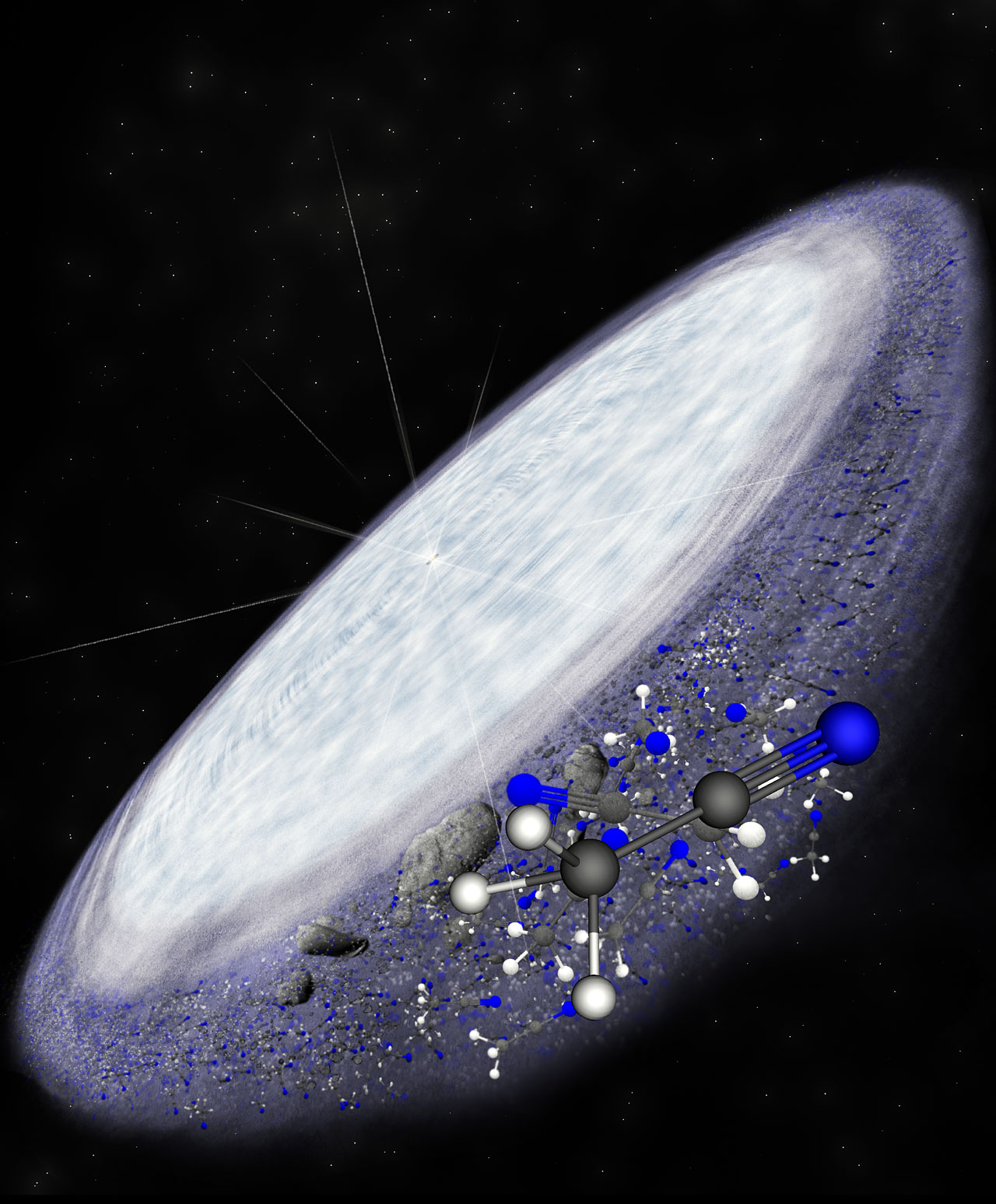
Are the building blocks of life universal?

Astronomers have detected the presence of complex organic molecules, the building blocks of life, in a protoplanetary disc surrounding a young star named MWC 480. That means the conditions that spawned the Earth and Sun are not unique in the Universe. 

The use of asbestos continues to increase in Asia despite clear health hazards. A recent Respirology review notes that with approximately 4.3 billion people and a growing population, Asia will likely see a large crop of asbestos-related lung diseases in the next few decades. Some of the cases will be benign, but it is likely that there will be many cases of mesothelioma and lung cancer.

Efforts are needed to improve the recognition and diagnosis of asbestos-related lung diseases, and government and non-government groups must cooperate to take steps to prevent them.

Citation: Su Lyn Leong, Rizka Zainudin, Laurie Kazan-Allen, Bruce W. Robinson, 'Asbestos in Asia', Respirology DOI: 10.1111/resp.12517

A broccoli variety modified to have two to three times more of the naturally occurring compound glucoraphanin, which is linked to antioxidants and other health benefits, also reduces blood LDL-cholesterol levels by around 6%, according to results of human trials. 

Glucoraphanin is thought to work by helping maintain cellular metabolism. Mitochondria, the energy factories of the cell, convert sugars and fats into energy, but if they aren't working efficiently, one response is to channel excess into cholesterol.  
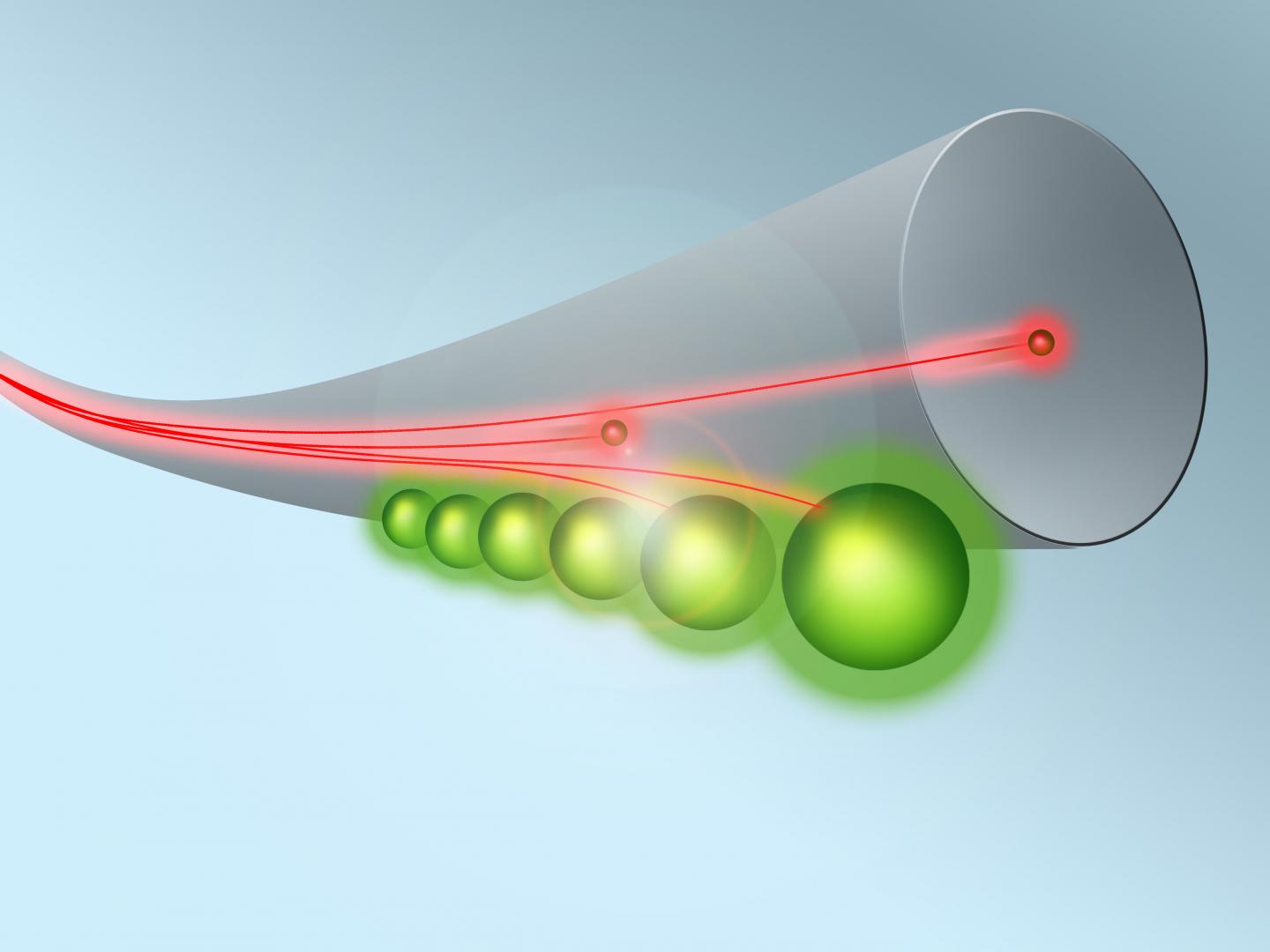
Light is a useful tool for quantum communication, but it has one major disadvantage - it travels at the speed of light and sometimes things need to be kept in place, or at least slowed down.

Like with trains all sharing a track, you can't have one express line with no brakes for very long. 

A team researchers has demonstrated they can put the brakes on light, and not in some arcane quantum system but rather in glass fiber networks we are already using today. By coupling atoms to glass fibers light was slowed down to train speed - 90 miles per hour - and they even managed to bring the light to a complete stop and to retrieve it again later.