Banner
The Scorched Cherry Twig And Other Christmas Miracles Get A Science Look

Bleeding hosts and stigmatizations are the best-known medieval miracles but less known ones, like ...

$0.50 Pantoprazole For Stomach Bleeding In ICU Patients Could Save Families Thousands Of Dollars

The inexpensive medication pantoprazole prevents potentially serious stomach bleeding in critically...

Metformin Diabetes Drug Used Off-Label Also Reduces Irregular Heartbeats

Adults with atrial fibrillation (AFib) who are not diabetic but are overweight and took the diabetes...

Your Predator: Badlands Future - Optical Camouflage, Now Made By Bacteria

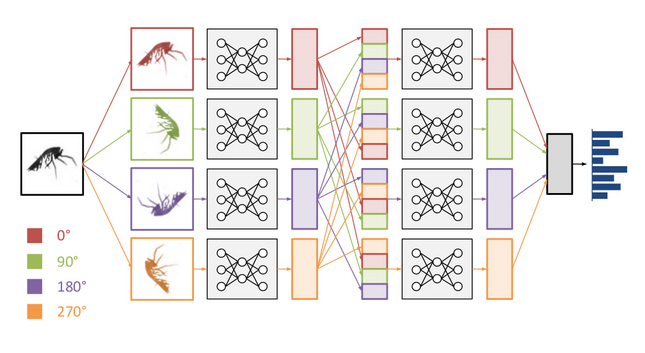
In the various 'Predator' films, the alien hunter can see across various spectra while enabling...

User picture.
News StaffRSS Feed of this column.

News Releases From All Over The World, Right To You... Read More »

Blogroll

Bicarbonate (baking soda) makes sparkling water sparkle, causes bread to rise, absorbs odors and can be used for cleaning all sorts of stuff, including your teeth. In the body, it plays essential roles in buffering pH, aiding in digestion and neutralizing lactic acid produced during physical exertion. Much of the bicarbonate in our bodies comes from carbon dioxide, which is produced as a waste product in all cells, although some is ingested with carbonated beverages and certain types of foods.

Hair and teeth are ectodermal appendages that share common developmental mechanisms. However, the major structural components making up hair and teeth are very distinct. The hair shaft is essentially made of keratin filaments that are highly cross-linked. Tooth enamel matrix is primarily composed of enamel proteins (amelogenin, ameloblastin) that are degraded and replaced by minerals during enamel maturation. Fully mineralized enamel contains a small fraction of cross-linked organic material that has not been fully characterized. In this study, researchers assessed the presence and functionality of a specific set of hair keratins in this organic fraction of enamel.

Scientists writing in Nature Communications have discovered an antioxidant system that, like a generator kicking in when the power fails, helps sustain the liver when other systems are missing or compromised.

This understudy 'takes the stage' when the lead actor is sick and is fueled by methionine, an amino acid that can't be manufactured in the body and doesn't come from herbal teas or supplements.

People get it only by eating protein.

Researchers at the San Diego Supercomputer Center (SDSC) and the Moores Cancer Center at the University of California, San Diego, have described for the first time the molecular mechanism of cancer development caused by well-known "resistance" mutations in the gene called epidermal growth factor receptor (EGFR). While these mutations were known for quite a long time, the question as to why they cause cancer or make some drugs ineffective was still not answered.

The study demonstrates how computer modeling of EGFR mutations found in lung cancer can elucidate their molecular mechanism of action and consequently optimize the selection of therapeutic agents to treat patients.

Without antibodies we would be at the mercy of pathogens or cancer cells. Therapeutic antibodies are used as passive vaccines, for cancer therapy or for controlling autoimmune diseases such as multiple sclerosis. According to "bccresearch.com" the global market for antibody drugs was worth nearly 70 billion USD in 2014 and should rise to 122 billion USD until 2019.

Two thirds of those molecules are produced biotechnologically using Chinese hamster ovary cells (CHO). Actually the major cost factor for industry is purification using "protein A" affinity chromatography where tens of thousands of liters of culture volume have to be processed annually. About 80 % of the production costs fall upon purification.

Humans, worms and flies are all completely different organisms and yet we have a more or less common set of genes.

Given that similar DNA blueprint, how do species develop such vast differences in physical shape, size, and complexity?

One so-called "central dogma" of molecular biology says that genetic information passes faithfully from genomic DNA to messenger RNA to the synthesis of proteins but a new study finds that such information can be significantly altered along the way by a variety of means, including by precision "editing" at the RNA stage to fine-tune the type of proteins that will be produced.