
Banner
Why Antarctic Sea Ice Stopped Growing In 2015

Though numerical models and popular films like An Inconvenient Truth projected Arctic ice...
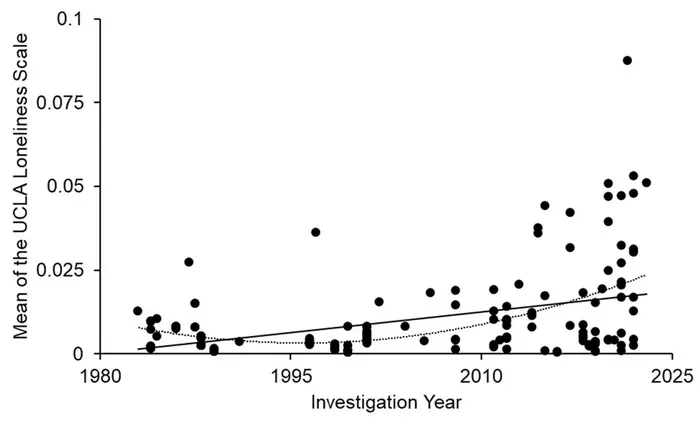
Wealth Correlated To Loneliness

You may have read that Asian cultures respect the elderly more than Europe but Asian senior citizens...
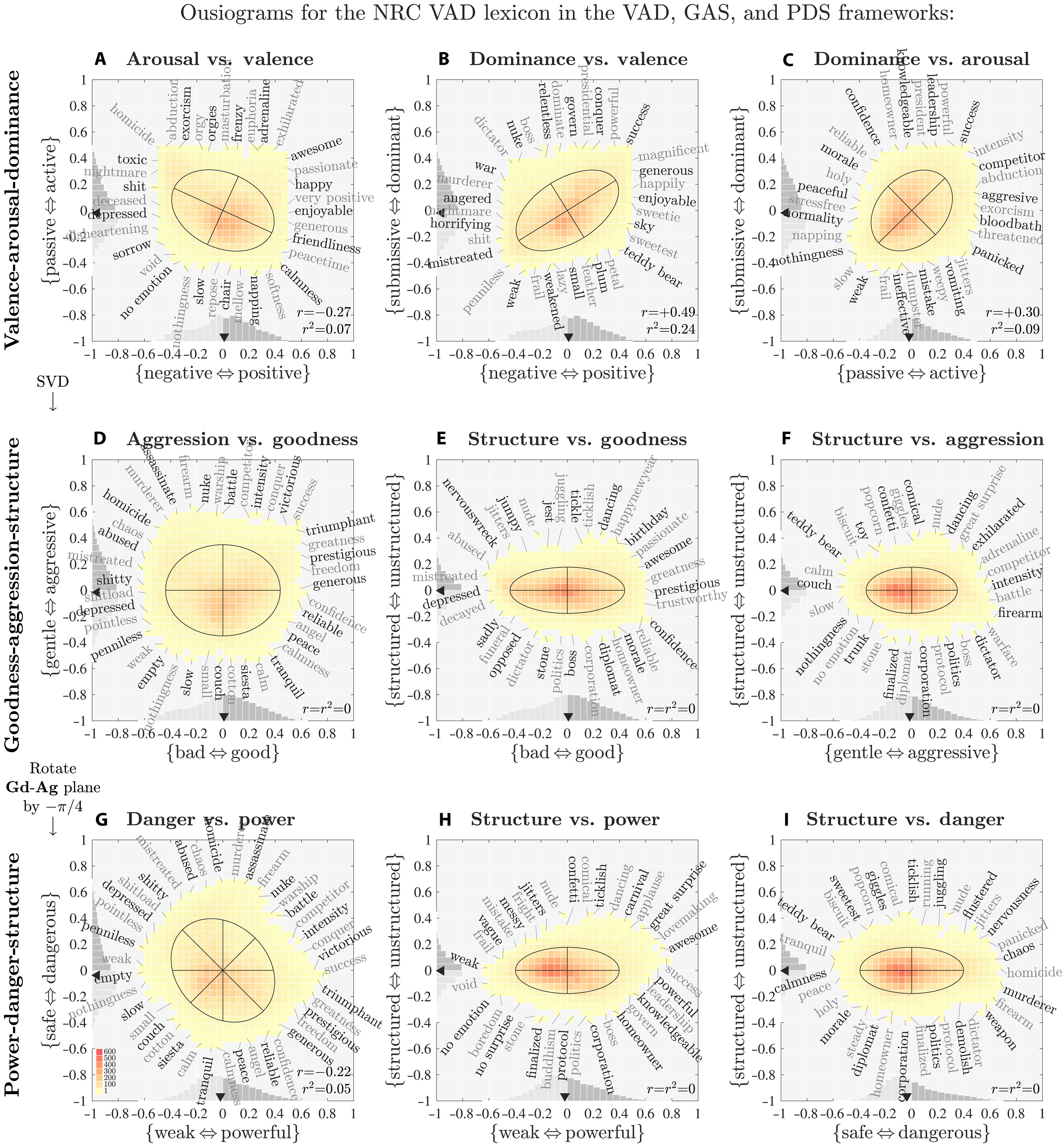
Ousiometrics Analysis Says All Human Language Is Biased

A new tool drawing on billions of uses of more than 20,000 words and diverse real-world texts claims...

Wavelengths Of Light Are Why CO2 Cools The Upper Atmosphere But Warms Earth

There are concerns about projected warming on the Earth’s surface and in the lower atmosphere...

User picture.
News StaffRSS Feed of this column.

News Releases From All Over The World, Right To You... Read More »

Blogroll

Taking omega-3 fatty acids appeared to lower inflammation and guard against further declines in heart function among recent heart attack survivors already receiving optimal standard care, according to results from a randomized, controlled trial to be presented at the American College of Cardiology's 64th Annual Scientific Session in San Diego.

Drug testing is most commonly performed using urine samples and its accuracy has made it the gold standard, but collecting samples is inconvenient so a group of researchers from the Department of Laboratory Medicine at the Karolinska Institute in Sweden have been working on developing an alternative to urine testing that focuses on exhaled breath.

Professor Olof Beck, lead researcher of the study, and his team have developed the first fully validated and robust screening method for the routine measurement of drugs of abuse in exhaled breath. The procedure involves a simple method of sample collection and preparation, which is followed by a highly sensitive analytical technique known as LC-MS (Liquid chromatography-mass spectrometry).

Thousands of genetic "dimmer" switches, regions of DNA known as regulatory elements, were turned up high during human evolution in the developing cerebral cortex, according to new research from the Yale School of Medicine.

Unlike in rhesus monkeys and mice, these switches show increased activity in humans, where they may drive the expression of genes in the cerebral cortex, the region of the brain that is involved in conscious thought and language. This difference may explain why the structure and function of that part of the brain is so unique in humans compared to other mammals.

The research, led by James P. Noonan, Steven K. Reilly, and Jun Yin, is published March 6 in the journal Science.

A recent study shows differences in brain structure according to how trusting people are of others.

The psychologists used two measures to determine the trust levels of 82 study participants. Participants filled out a self-reported questionnaire about their tendency to trust others. They also were shown pictures of faces with neutral facial expressions and asked to evaluate how trustworthy they found each person in the picture. This gave researchers a metric, on a spectrum, of how trusting each participant was of others.

Researchers then took MRI scans of the participants' brains to determine how brain structure is associated with the tendency to be more trusting of others. What they found were differences in two areas of the brain.

Synthetic cannabinoids ("synthetic marijuana"), with names like Spice, K2, Scooby Doo and hundreds of others, are often sold as a "legal" alternative to marijuana. Often perceived as a safe legal alternative to illicit drug use, synthetic marijuana use was associated with 11,561 reports of poisonings in the United States between January 2009 and April 2012.

Popular among teens, in 2011, synthetic marijuana was used by more than one out of ten (11.4%) high school seniors in the US, making it the most commonly used drug after real marijuana.

Sad movies are bad news for diets. A newly reported study from the Cornell Food and Brand Lab showed movie-goers watching tearjerkers ate between 28% and 55% more popcorn both in the lab and in a mall theater during the Thanksgiving holiday.

According to findings published in a JAMA Internal Medicine research letter, movie goers ate 28% more popcorn (125 versus 98 grams) when watching the tragedy Love Story than when watching the comedy Sweet Home Alabama.



