People with diabetes are prone to anxiety and depression but others with chronic diseases that require similar levels of management suffer from anxiety and depression less.
Why that might be is unclear but Joslin Diabetes Center researchers have offered an explanation, gleaned by genetically modifying mice to make their brains resistant to insulin. They found that the animals exhibited behaviors that suggest anxiety and depression, and then pinpointed a mechanism that lowers levels of the key neurotransmitter dopamine in areas of the brain associated with those conditions.
Want to lower your risk of dying from a heart attack? Go a little nuts.
Peanuts are getting a modern rehabilitation. Except for severe cases,
it has been found that peanut allergies will go away if kids eat them early, and when they reach adulthood they will have less likelihood of dying from heart disease - and be an equalizer across low-income and racially diverse populations.
A new paper based on a study of 4,219 people without any evidence of blood cancer nonetheless found that up to 20 percent of people aged 50-60 and more than 70 percent of people over 90 have blood cells with the same gene changes as found in leukemia.
That means it is almost inevitable that we will develop genetic mutations associated with leukemia as we age, according to the authors investigating the earliest stages of cancer development used an exquisitely sensitive sequencing method capable of detecting DNA mutations present in as few as 1.6 percent of blood cells, to analyze 15 locations in the genome, which are known to be altered in leukemia.
An on-board air filtration system called
high-efficiency cabin air, or HECA,
developed specifically for school buses reduced exposure to vehicular pollutants by up to 88 percent, according to a new paper. study by researchers at the UCLA Fielding School of Public Health.
The HECA system could help protect the 25 million American children who commute on school buses nearly every day, according to the authors from the UCLA Fielding School of Public Health. Children are more susceptible to air pollution than adults because they breathe more quickly and their immune and cardiovascular systems are still developing, said Yifang Zhu, the study's senior author and an associate professor in the department of environmental health sciences.
The world's challenges demand science solutions - and fast - but it doesn't need the old style of detached experts, write a team of scientists in, ironically, one of America's most prominent and detached corporate science publications; Science magazine, a reputable legacy publication with a politician leading them.
Segregated expertise, like segregated articles of taxpayer-funded science, is obsolete.
Amateur athletes are competitive and they are always looking for an advantage even if it isn't their careers, so it is no surprise that supplement stores are filled with promises of gains.
Nitrate supplements, claiming to improve the efficiency at which muscles use oxygen, have been popular for years, but do they work?
A new study says they may increase performance--they decrease the viscosity of blood, aiding in blood flow, while at the same time ensuring that tissue oxygen requirements are not compromised.


 Why Antarctic Sea Ice Stopped Growing In 2015
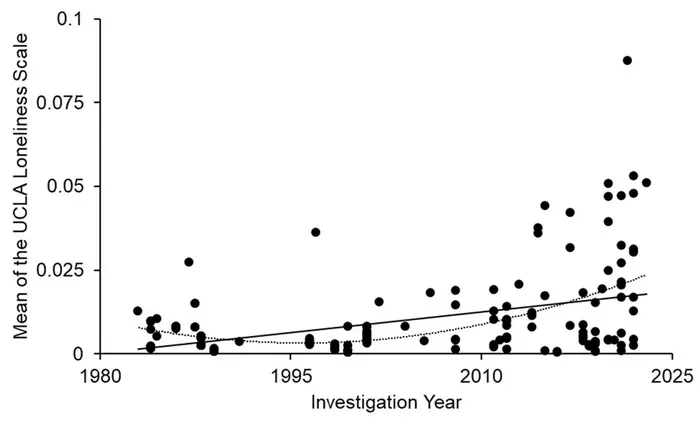 Wealth Correlated To Loneliness
 Ousiometrics Analysis Says All Human Language Is Biased
  Wavelengths Of Light Are Why CO2 Cools The Upper Atmosphere But Warms Earth