Banner
Why Antarctic Sea Ice Stopped Growing In 2015

Though numerical models and popular films like An Inconvenient Truth projected Arctic ice...

Wealth Correlated To Loneliness

You may have read that Asian cultures respect the elderly more than Europe but Asian senior citizens...
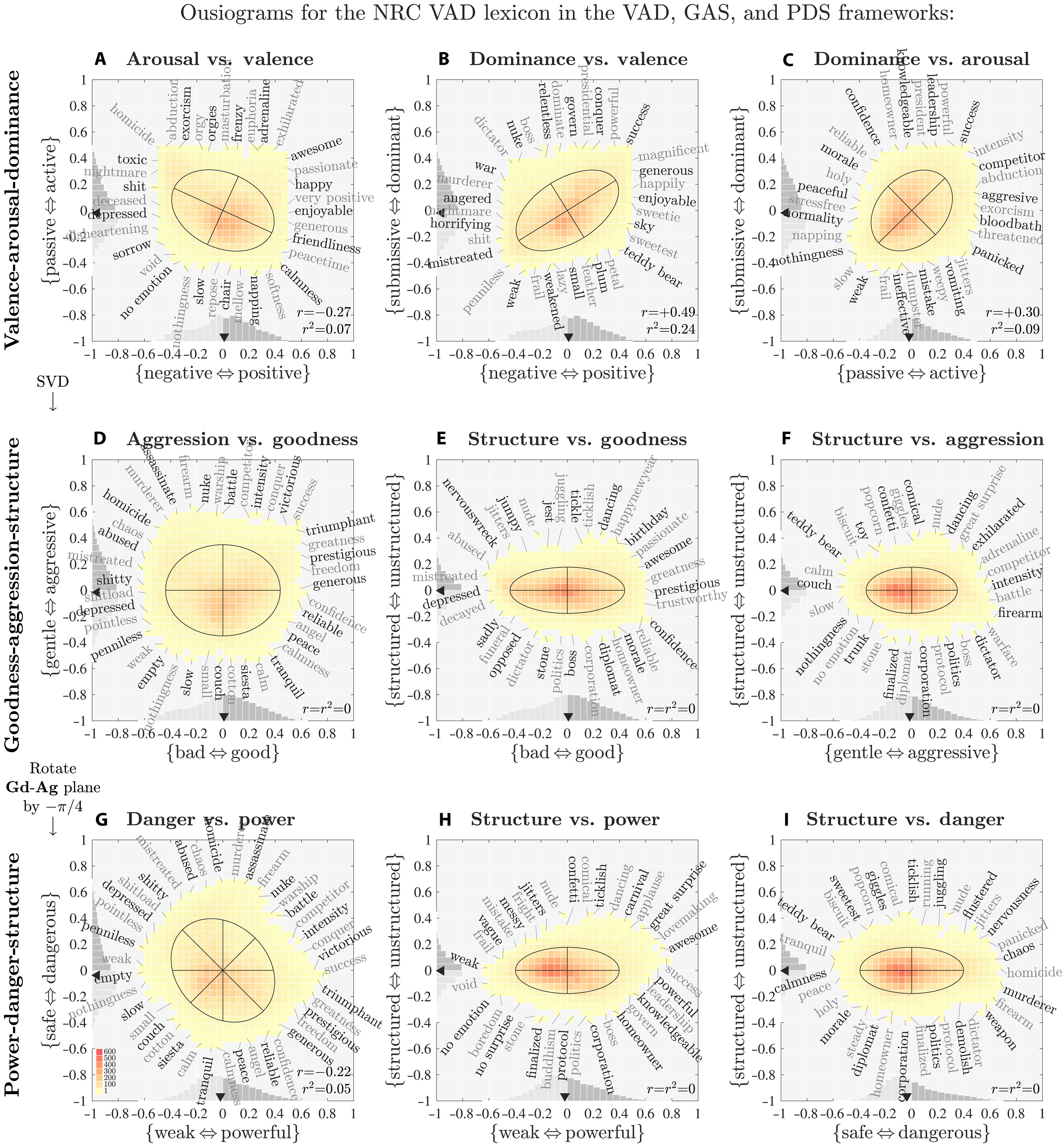
Ousiometrics Analysis Says All Human Language Is Biased

A new tool drawing on billions of uses of more than 20,000 words and diverse real-world texts claims...
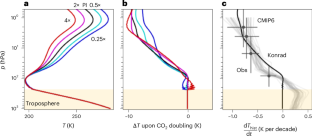
Wavelengths Of Light Are Why CO2 Cools The Upper Atmosphere But Warms Earth

There are concerns about projected warming on the Earth’s surface and in the lower atmosphere...

User picture.
News StaffRSS Feed of this column.

News Releases From All Over The World, Right To You... Read More »

Blogroll
With Valentine's Day this weekend, we will be treated to articles called things 'the science of kissing', 'the science of love', 'the science of attraction' - you name it and someone in the social sciences is capitalizing on the fuzzy nature of romance to attract some eyeballs. 

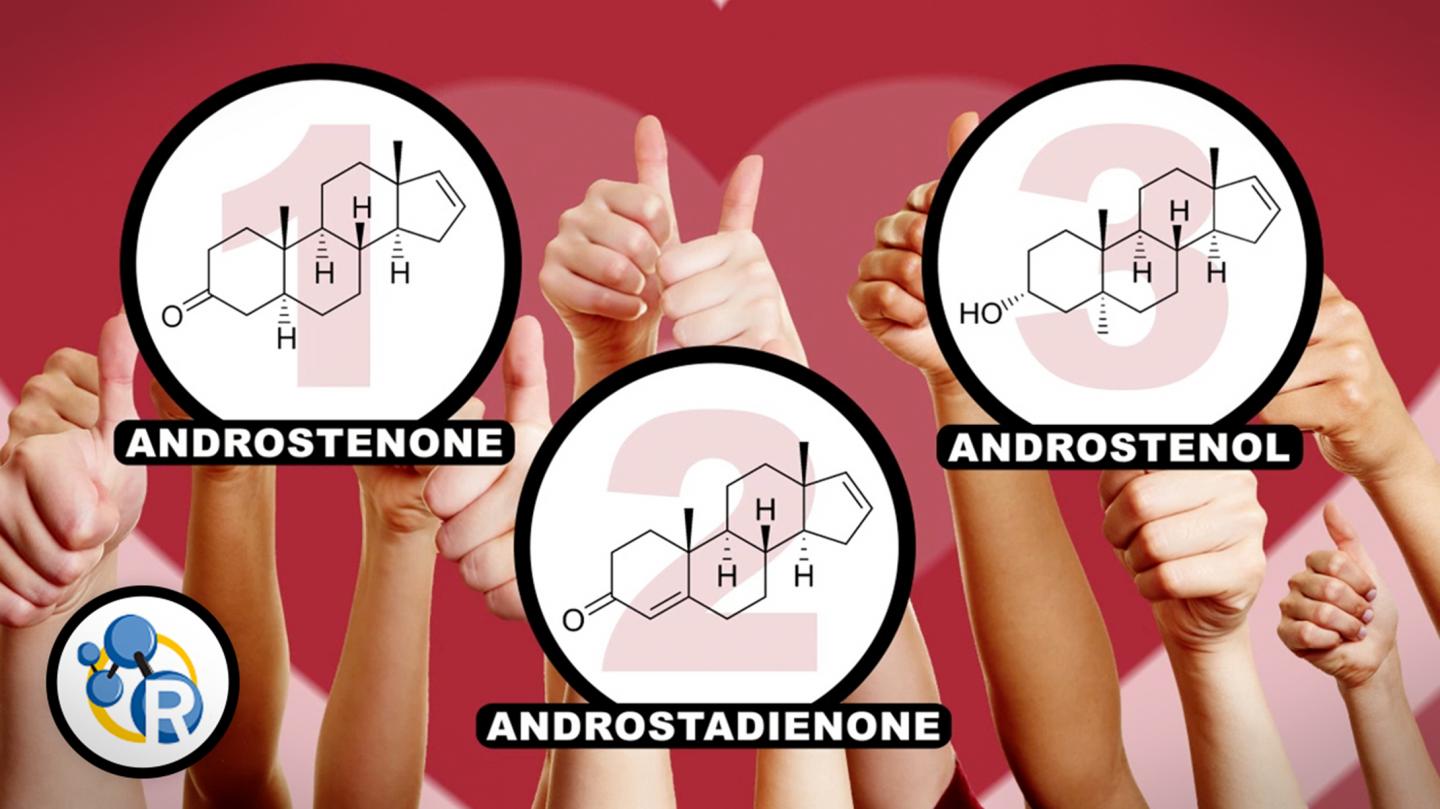
Love at first sight has long been discussed but is there love at first smell?


Can you get love in a spray bottle? Kate Upton is going to be around a lot of smelly men this week, if so. Credit: The American Chemical Society
Middle-school children who consume energy drinks are 66% more likely to be at risk for hyperactivity and inattention symptoms, according to results from the Yale School of Public Health, which could have implications for school success and lends support to existing recommendations to limit the amount of sweetened beverages schoolchildren drink.

The authors, led by professor Jeannette Ickovics, director of Community Alliance for Research and Engagement, recommend that children avoid energy drinks because of high levels of sugar and caffeine. 
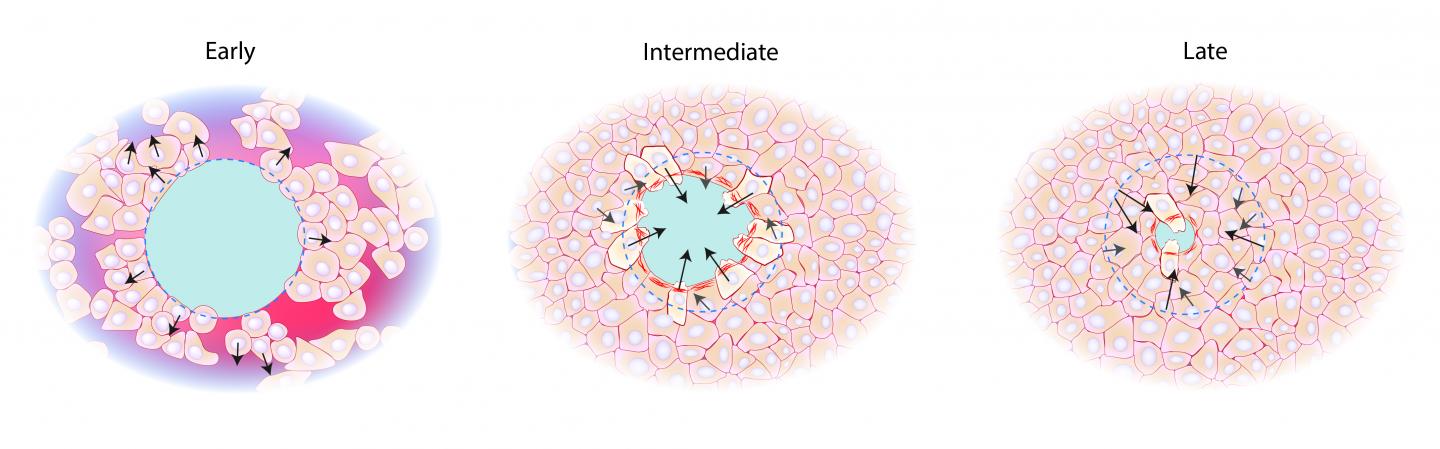
Skin provides an essential protective barrier against foreign materials and pathogens and helps the body retain various fluids and electrolytes. When that barrier is damaged, the consequences can be devastating. Ulcers, bleeding and bacterial infections may result and the chances of these occurring increases the longer wounds remain open. 

Fortunately, epithelial cell sheets are self-repairing. The moment the integrity of the barrier is compromised, cellular mechanisms are initiated to close the gap. Cells begin crawling forward, and contractile cables are formed in the cells surrounding the wound to help pull the gap closed.
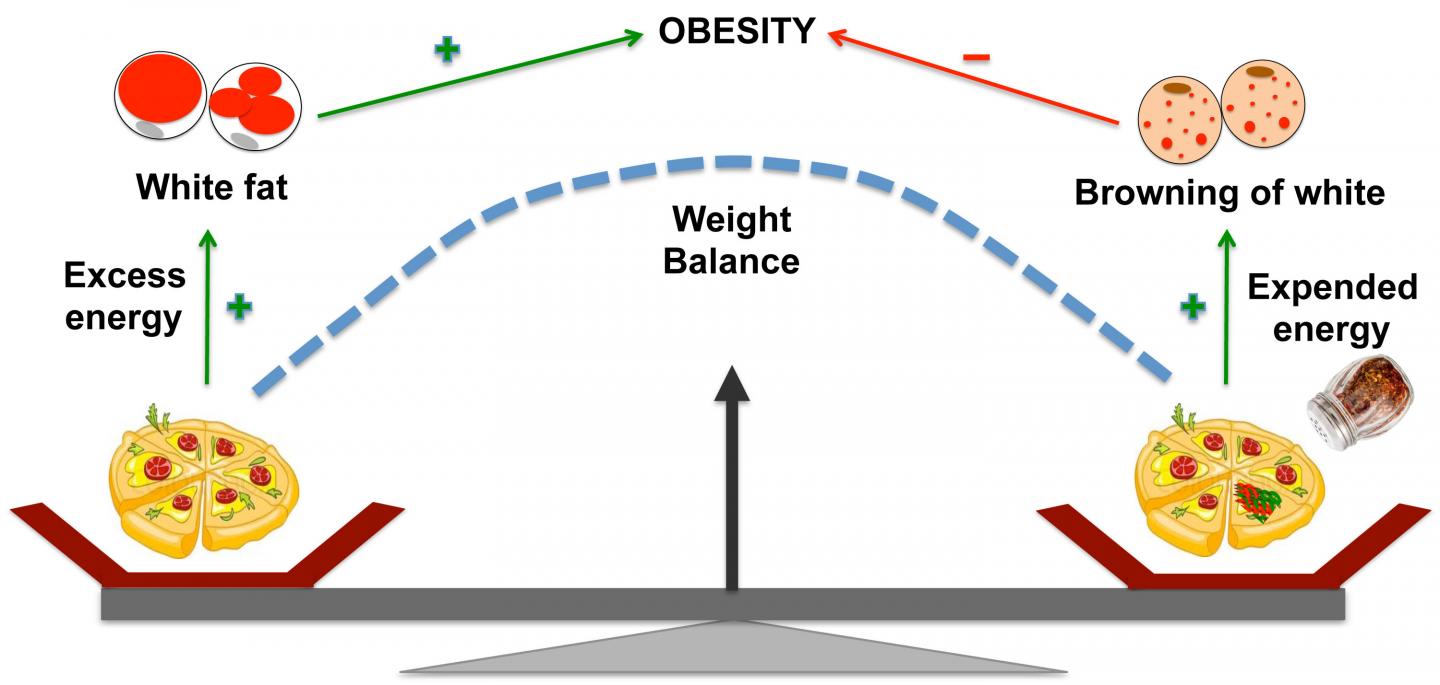
A recent finding about capsaicin from chili peppers curbing obesity in mice may be why nutritionists and diet marketing groups latch onto it in 2015. The world doesn't need another gimmick diet but clearly people need to eat less. Fully one third of the world is overweight, by World Health Organization estimates. Now a group at the University of Wyoming has found promise in the potential of capsaicin -- the chief ingredient in chili peppers -- as a diet-based supplement.

Small magnetic whirls may revolutionize future data storage and information processing if they can be moved rapidly and reliably in small structures. A team of scientists of Johannes Gutenberg University Mainz (JGU) and TU Berlin, together with colleagues from the Netherlands and Switzerland, has now been able to investigate the dynamics of these whirls experimentally. The skyrmions, as these tiny whirls are called after the British nuclear physicist Tony Skyrme, follow a complex trajectory and even continue to move after the external excitation is switched off. This effect will be especially important when one wants to move a skyrmion to a selected position as necessary in a future memory device.

Kalorama Information expects the market for plasma collection to grow, and to outpace overall blood collection through 2018. The primary market driver will be plasma-derived immunoglobulins (Ig) used to produce intravenous immunoglobulin (IVIG) therapies. The growth of mature markets associated with the collection, processing and therapeutic use of whole blood and derived products are by and large endangered without the robustness of the global plasma market. This is the finding of Kalorama Information's recent Blood: The Worldwide Market for Blood Products, Blood Testing, Blood Equipment, and Synthetic Blood Products.