Banner
Why Antarctic Sea Ice Stopped Growing In 2015

Though numerical models and popular films like An Inconvenient Truth projected Arctic ice...
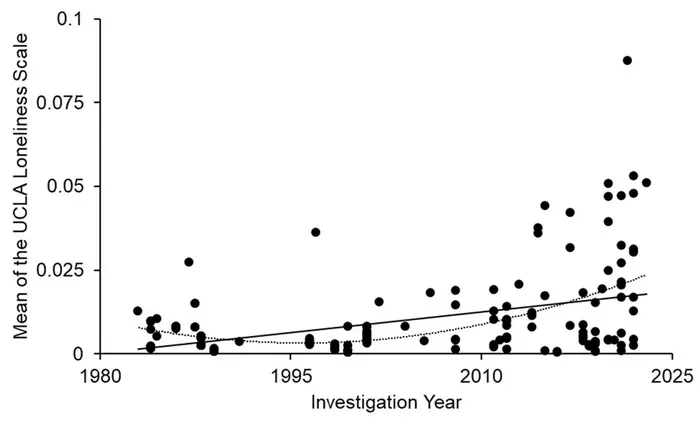
Wealth Correlated To Loneliness

You may have read that Asian cultures respect the elderly more than Europe but Asian senior citizens...
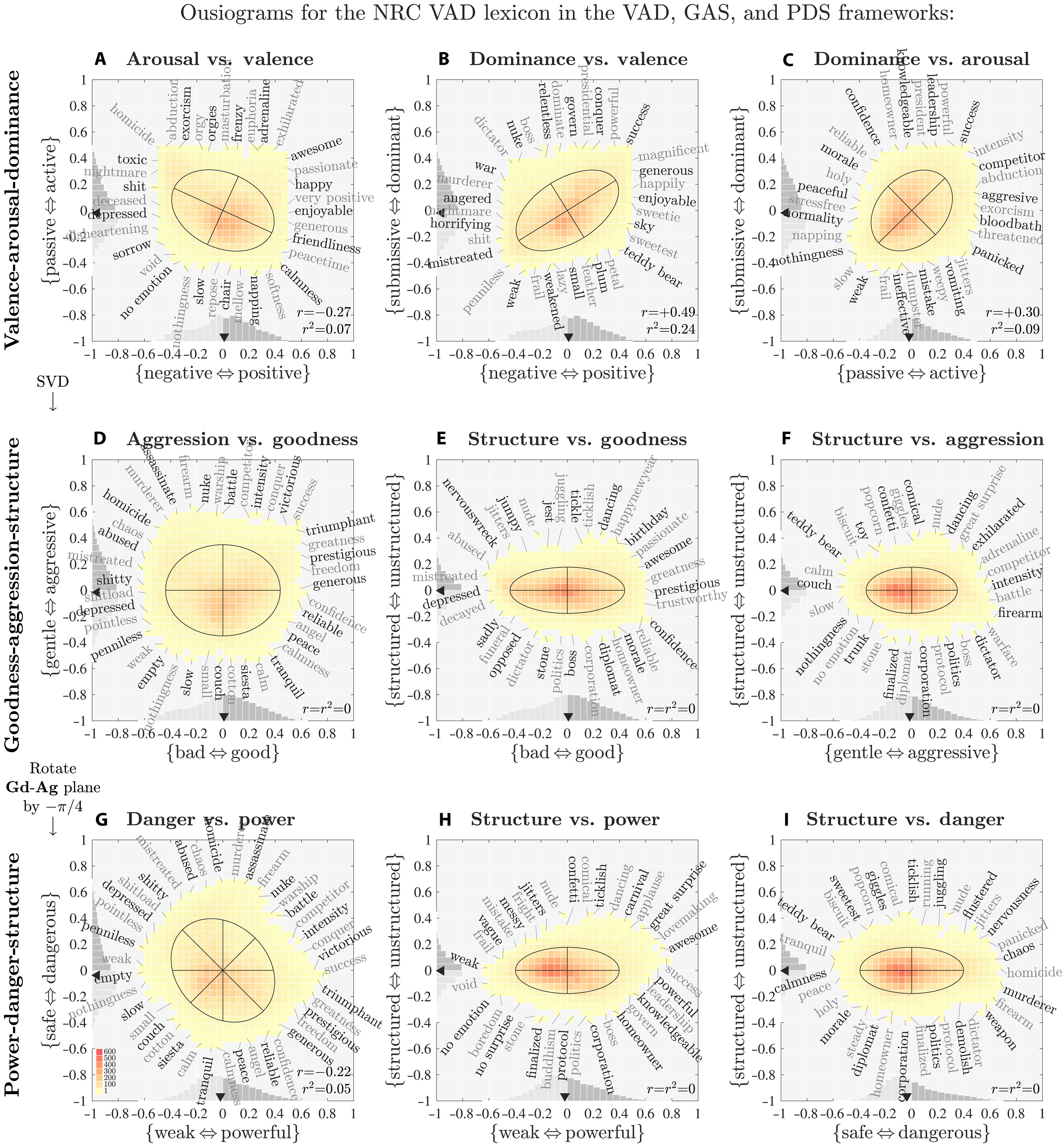
Ousiometrics Analysis Says All Human Language Is Biased

A new tool drawing on billions of uses of more than 20,000 words and diverse real-world texts claims...

Wavelengths Of Light Are Why CO2 Cools The Upper Atmosphere But Warms Earth

There are concerns about projected warming on the Earth’s surface and in the lower atmosphere...

User picture.
News StaffRSS Feed of this column.

News Releases From All Over The World, Right To You... Read More »

Blogroll
The Beagle-2 Mars lander,hitched a ride on ESA’s Mars Express mission in 2003 and was released from the mothership on December 19th with a planned landing 6 days later.  

Then it was lost. Mars Express and NASA’s Mars Odyssey found nothing. 

But now the high-resolution camera on NASA’s Mars Reconnaissance Orbiter has found it on the surface.  The good news is engineers now know that at least the entry, descent and landing sequence worked and it did indeed successfully 'land' on Mars on Christmas Day 2003. Beagle-2 was less than 2 meters across when fully deployed so catching sight of it was right at the limit of the resolution of cameras in orbit around Mars.

Using simulation, such as wearing a blindfold while performing everyday tasks, has negative effects on people's perceptions of the visually impaired, according to a recent paper.

In one part of the study, after simulating blindness by having their eyes covered, participants believed people who are blind are less capable of work and independent living than did participants who simulated other impairments like amputation, or had no impairment.

There is a gender gap in some fields of academia. Some are skewed heavily toward women and some are skewed heavily toward men, though some have too little variation to be meaningful.

But why are there any gaps at all? Various explanations have been offered, from the bizarre - sexism among the liberals who dominate academia - to the more bizarre - the belief among those same academic leaders that women are less analytical than men. The most popular explanation is that women are the only gender that can give birth and after that they work less hours and that penalizes them in faculty and tenure hiring. Family-friendly policy is the only area of academia where people wish it was more like the corporate world.
Last week's terrorist attacks in Paris were religiously-based and they have brought to the fore an issue that France, and most of Europe, had chosen to ignore: determining how prevalent religious fundamentalism is.

A new paper says that creating Muslim zones where outsiders were not allowed is not the problem, nor is Muslim hostility toward 'out groups', like non-Muslims, and the attacks on the Charlie Hebdo office by the terrorists was not even attacking people who made fun of religion, or even western religion, it was instead an attack on the religious values of peace-loving Muslims, according to sociologist  Ruud Koopmans, director of the WZB Berlín Social Science Centre in Germany, writing in the Journal of Ethnic and Migration Studies.
Most people know that our biological functions use a circadian system comprised of a central clock located deep within the center of our brains and multiple clocks located in different parts of the body.   

When people fly to the other part of the world or work a night shift, those different biological clocks have not adjusted and so we get things like 'jet lag'. A small study may open new therapeutic avenues for improving the synchronization of the body's different biological clocks.  
A new white paper finds little to no evidence for the effectiveness of opioid drugs in the treatment of long-term chronic pain, despite the explosive recent growth in the use of such drugs. 

The paper, which constitutes the final report of a seven-member panel convened by the National Institutes of Health  last September, finds that many of the studies used to justify the prescription of these drugs were either poorly conducted or of an insufficient duration. That makes prolific use of these drugs surprising, says Dr. David Steffens, chair of the psychiatry department at the University of Connecticut and one of the authors of the study. When it comes to long-term pain, he says, "there's no research-based evidence that these medicines are helpful."