Banner
Why Antarctic Sea Ice Stopped Growing In 2015

Though numerical models and popular films like An Inconvenient Truth projected Arctic ice...

Wealth Correlated To Loneliness

You may have read that Asian cultures respect the elderly more than Europe but Asian senior citizens...

Ousiometrics Analysis Says All Human Language Is Biased

A new tool drawing on billions of uses of more than 20,000 words and diverse real-world texts claims...

Wavelengths Of Light Are Why CO2 Cools The Upper Atmosphere But Warms Earth

There are concerns about projected warming on the Earth’s surface and in the lower atmosphere...

User picture.
News StaffRSS Feed of this column.

News Releases From All Over The World, Right To You... Read More »

Blogroll
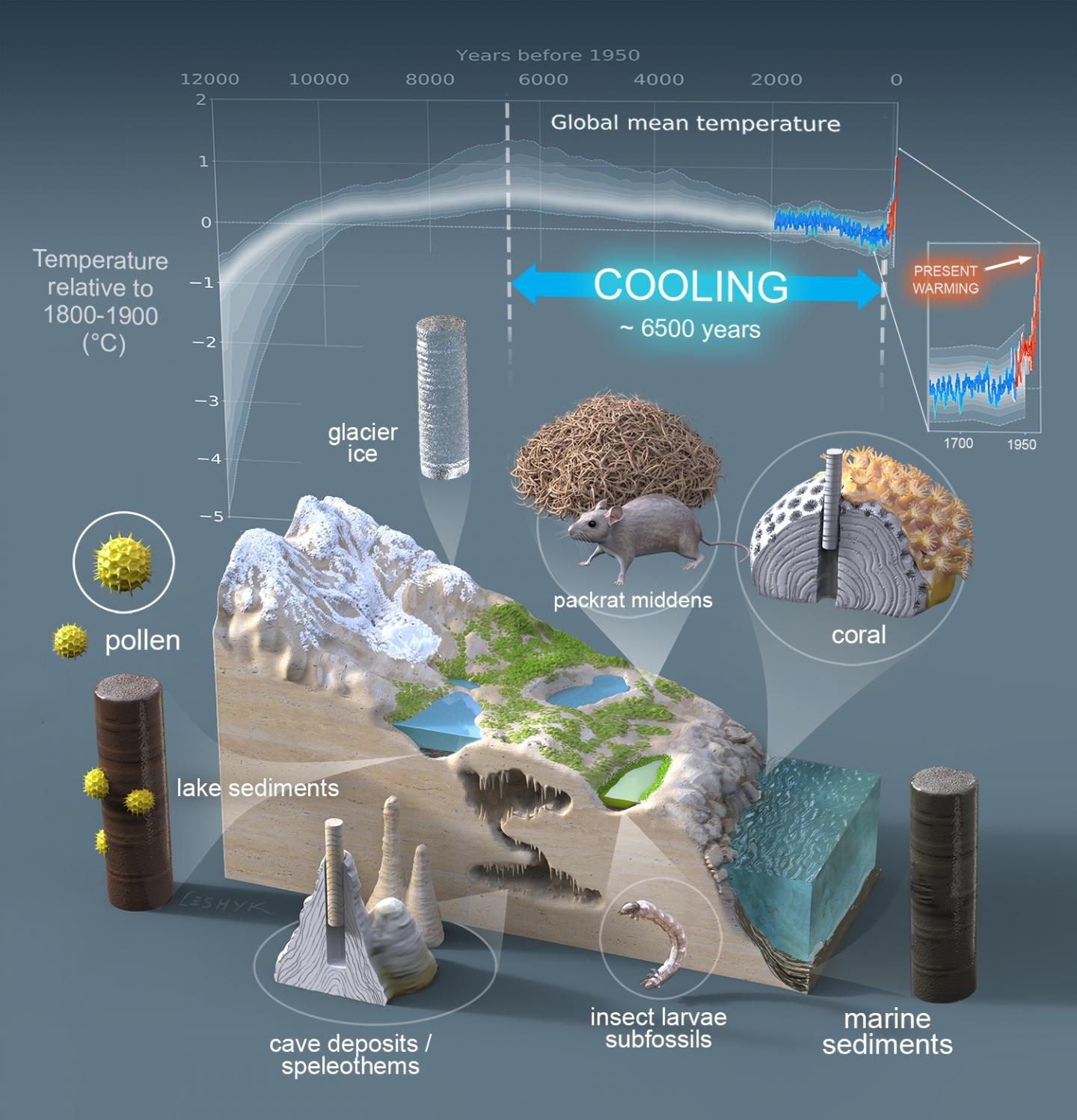
In geological history, 90,000 of every 100,000 years has been ice ages, and it has been 12,000 years since the last one. In a 'glass half full' optimistic take on emissions, the Industrial Age put a halt to a 6,500 year cooling trend and the ice age for which we are overdue, but just like salt, sugar, or Avengers movies, there can be too much of a good thing and now there are worries that climate is going out of control the other way.
When it comes to evolutionary biology and life on other planets, there is talk of amino acids, the building blocks of our existence.

But for any of that to work we first needed magnetic fields and plate tectonics, and a new paper finds that Earth became a "Goldilocks planet" by getting to the right place at the right time. So if we want to find other forms of life, we need to look for exoplanets that developed earlier rather than later.

Exoplanets are planets orbiting stars in other solars around distant stars and with thousands now known, there is a lot of speculation about how to detect life. It will start with narrowing down the possibilities; position, temperature, and geochemistry.

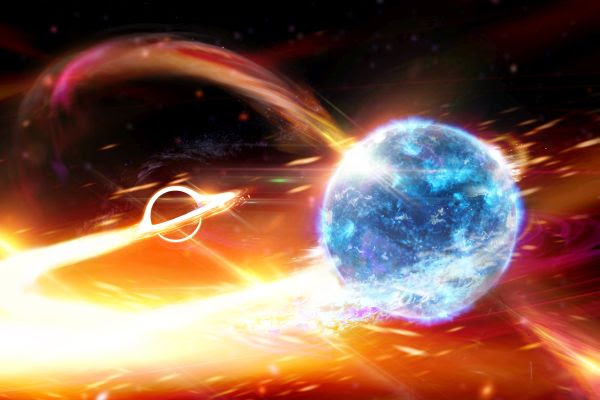
When the most massive stars die, they collapse under their own gravity and leave behind black holes while when stars that are less massive reach their end, they explode in a supernova and leave behind dense, dead remnants of stars.

Those are called neutron stars and heaviest known neutron star is two and a half times the mass of our sun while the lightest known black hole is about five solar masses. What's in that "mass gap" between neutron stars and black holes?

A new paper posits some answers.

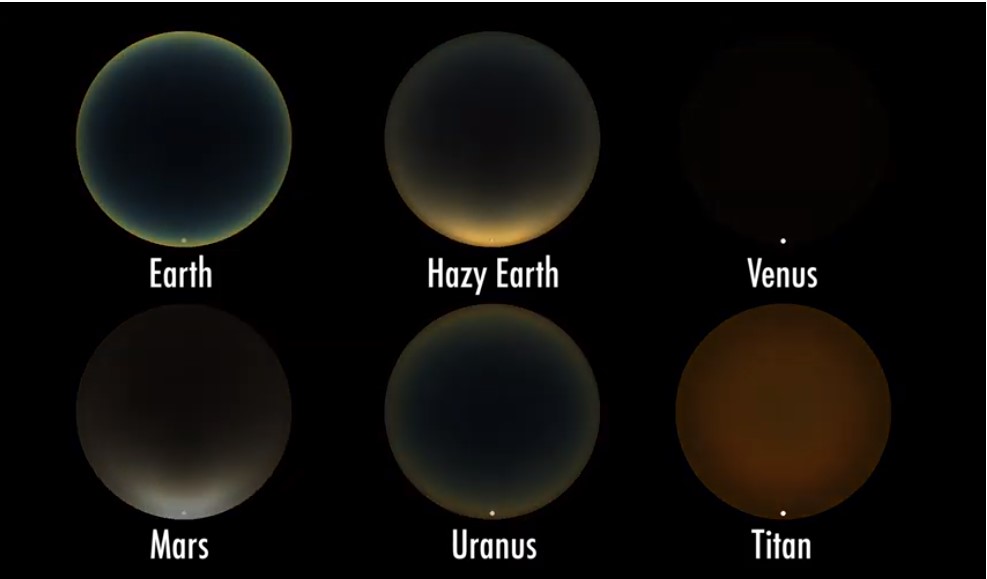
How a sunset would appear on other planets is a staple of science-fiction. The sun is as fundamental to grounding our existence as the earth, for most of us. Yet lots of people go months without seeing a sunrise or sunset.

That's extreme, but even more extreme is how it would look on Titan. 
Environmental groups believe that living in cities is better for the environment but if there is one thing that COVID-19 has made clear, it's that living in cities is better for spreading infectious disease also. 

Despite having numerous large cities, the U.S. was on the verge of having measles wiped out, but as the anti-vaccine movement spread on the east and west coasts, they brought a resurgence of it. A group of researchers looked for its origins and found it may help provide answers about coronavirus, which is in the same family as the common cold but was discovered to be novel in the 1960s.
Though we've only detected a few thousand exoplanets, there are likely 6,000,000,000 Earth-like ones out there, and that means millions could be "ocean worlds" capable of supporting life.

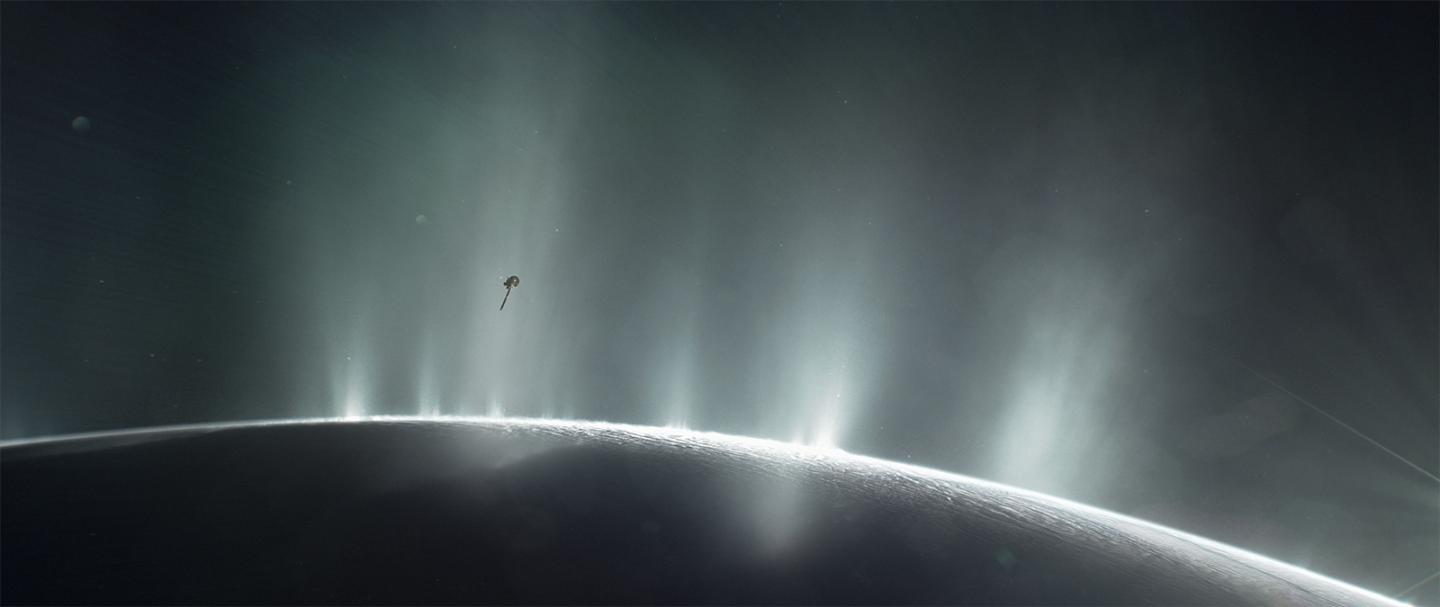
Right now, our knowledge of ocean worlds is limited to moons like Enceladus around Saturn and Europa around Jupiter. Plumes of water erupt from Europa and Enceladus, so we can tell that these bodies have subsurface oceans beneath their ice shells, and they have energy that drives the plumes, which are two requirements for life as we know it