Banner
Why Antarctic Sea Ice Stopped Growing In 2015

Though numerical models and popular films like An Inconvenient Truth projected Arctic ice...
Wealth Correlated To Loneliness

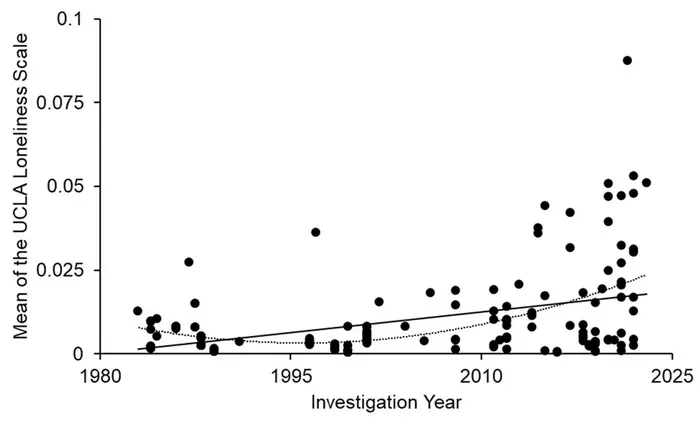
You may have read that Asian cultures respect the elderly more than Europe but Asian senior citizens...
Ousiometrics Analysis Says All Human Language Is Biased

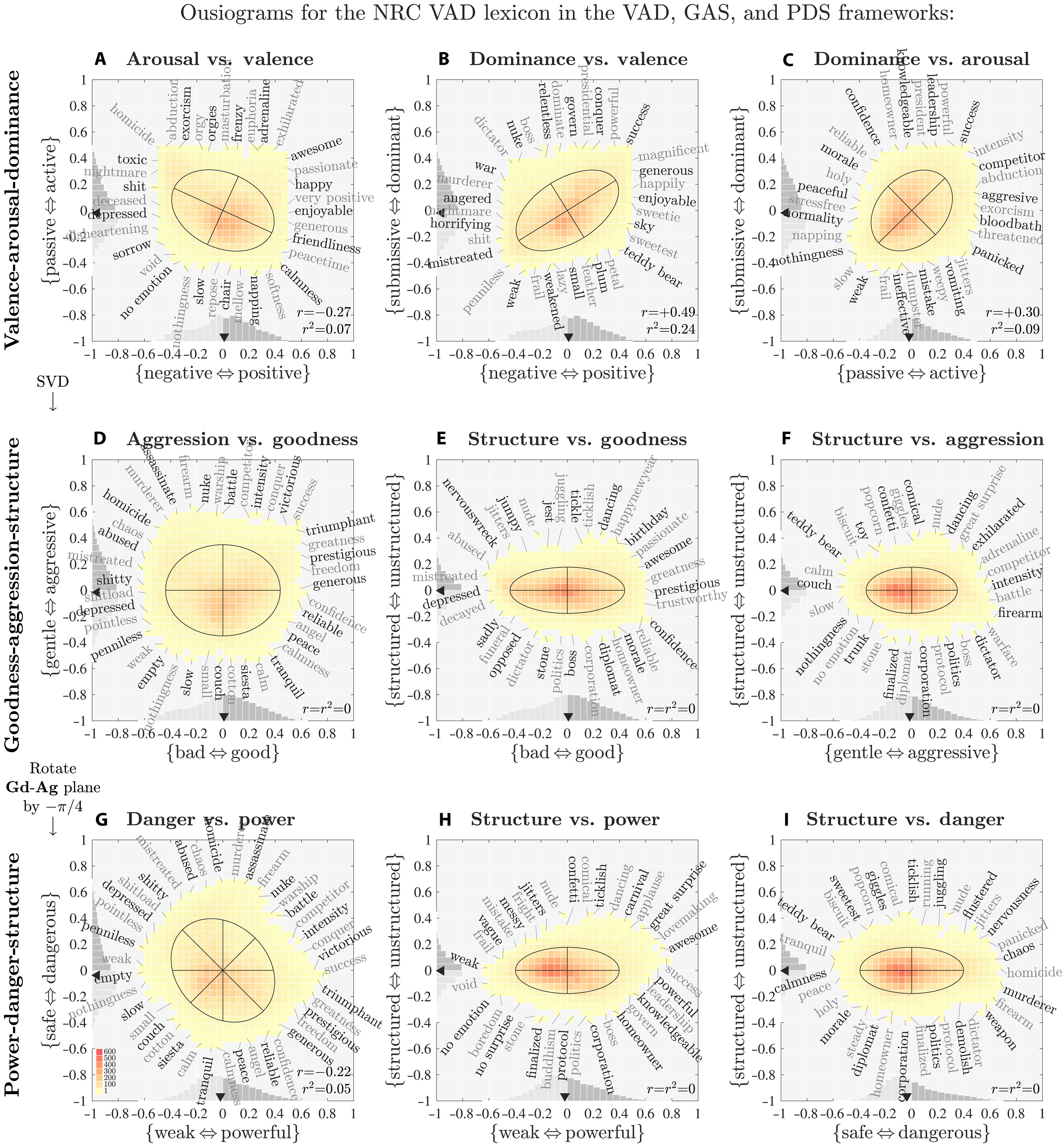
A new tool drawing on billions of uses of more than 20,000 words and diverse real-world texts claims...
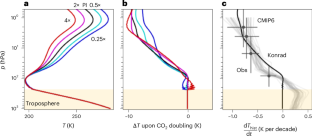
Wavelengths Of Light Are Why CO2 Cools The Upper Atmosphere But Warms Earth

There are concerns about projected warming on the Earth’s surface and in the lower atmosphere...

User picture.
News StaffRSS Feed of this column.

News Releases From All Over The World, Right To You... Read More »

Blogroll

Ryan Rykaczewski, an oceanographer and assistant professor at the University of South Carolina, is part of a team that are looking deep into the ocean's past, and they have shown that natural processes can cause dramatic year-to-year drops in fish populations and growth rates.

They also raise questions about whether human activities might be making those declines more frequent.


Upwelling means phytoplankton, the perfect 'sea food'


The focus of the research is the California current, which stretches from Washington state to the Baja peninsula and is one of a handful of coastal waters on Earth from which an inordinately large portion of the world's fish harvest originates.

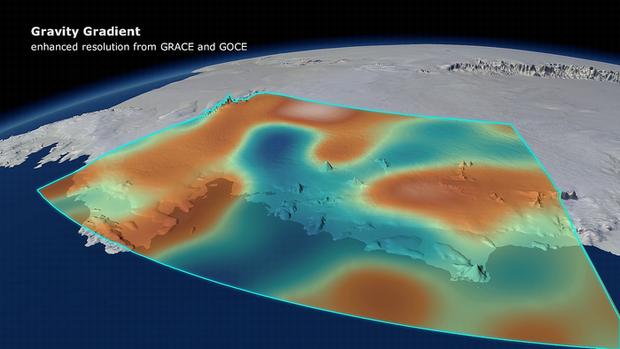
Ice ebbs and flows, that is no secret - but lost in claims that ice is as widespread as ever is the reality that it is now thinner, and the difference is so noticeable the Gravity field and steady-state Ocean Circulation Explorer (GOCE) satellite can detect it.

The strength of gravity at Earth’s surface varies subtly from place to place owing to factors such as the planet’s rotation and the position of mountains and ocean trenches. Changes in the mass of large ice sheets can also cause small local variations in gravity.

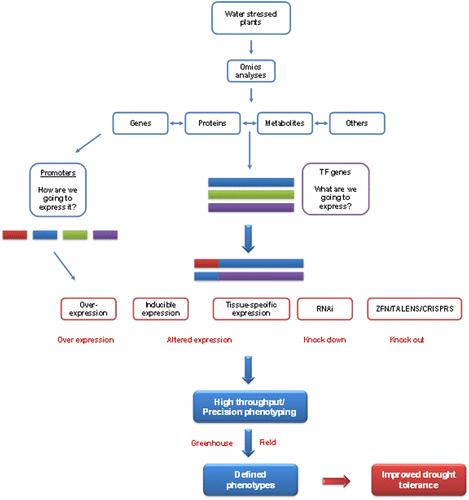
Outside the developed world, global population continues to rise but all of the best agricultural locations are in use. If we want people to be self-sufficient (and we do) science is going to need to be able to help the developing world with innovative and sustainable solutions.

Modern agriculture has not reached any kind of limit, we can easily boost food production by as much as 70-100% in the next few decades. To grow in more difficult areas, and to be resistant to swings in weather, more drought-tolerant food crops are essential.  

The government says the unemployment level is back at 2009 levels - but they use a metric that no one outside government would consider valid, namely how many people collect unemployment checks.

After people have been unemployed past the expiration of the checks, the government claims they must be employed. In reality, many are not. The Great Recession limps along regardless of how the 1 % are doing in the stock market and what government public relations claims are.

In reality, 20 percent of workers laid off from a job during the last five years are still unemployed and looking for work, researchers from the John J. Heldrich Center for Workforce Development at Rutgers have found.

There's a common trope in Hollywood celebrities who gain weight and receive attention for it. They talk about how much healthier and better they feel about themselves at higher weight - and then they immediately lose weight and talk about how much healthier and better they feel about themselves.

Severely obese people who aren't famous also experience much better spirits once they shed weight through diet, lifestyle changes or medical intervention but Valentina Ivezaj and Carlos Grilo of the Yale University School of Medicine write in Obesity Surgery that it is not a psychological magic bullet.

Antidepressants are the most commonly used treatment for social anxiety disorder but we know they don't work for many people and their efficacy goes down over time.

New research finds they are not even needed in many instances. 

Social anxiety disorder is a condition characterized by fear and avoidance of social situations. It affects as many as 13 percent of the Western world. For most people, it is not severe, and they never receive treatment for the disorder but those who do get treatment are usually assigned medication.