Banner
Why Antarctic Sea Ice Stopped Growing In 2015

Though numerical models and popular films like An Inconvenient Truth projected Arctic ice...
Wealth Correlated To Loneliness

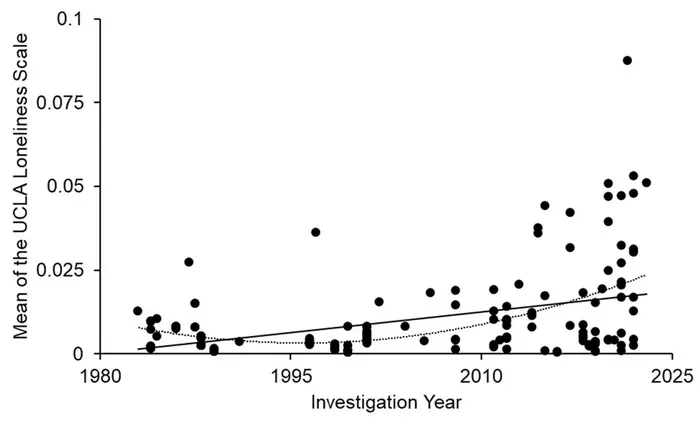
You may have read that Asian cultures respect the elderly more than Europe but Asian senior citizens...
Ousiometrics Analysis Says All Human Language Is Biased

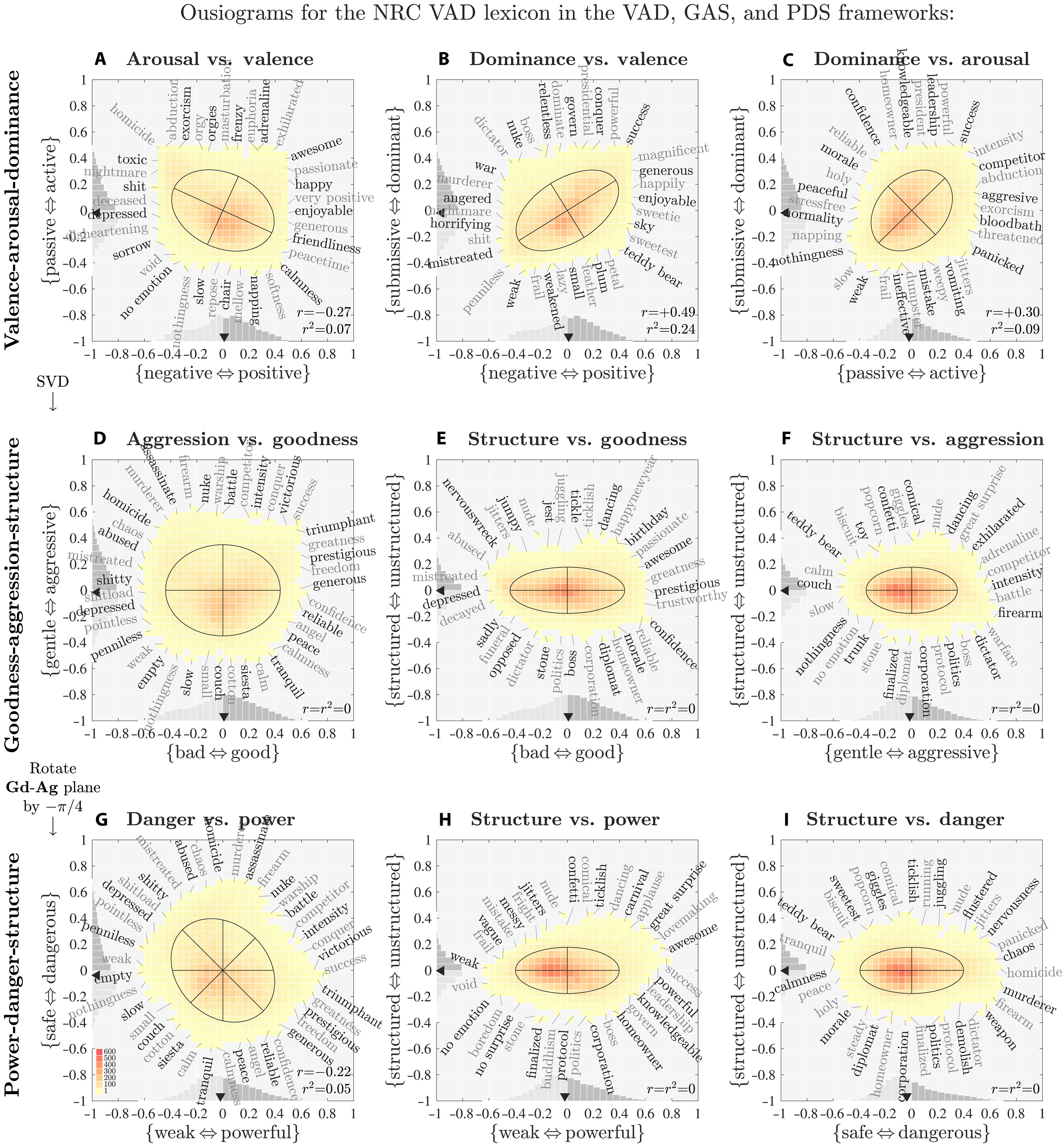
A new tool drawing on billions of uses of more than 20,000 words and diverse real-world texts claims...
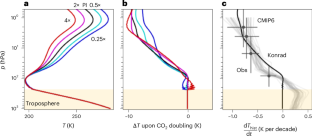
Wavelengths Of Light Are Why CO2 Cools The Upper Atmosphere But Warms Earth

There are concerns about projected warming on the Earth’s surface and in the lower atmosphere...

User picture.
News StaffRSS Feed of this column.

News Releases From All Over The World, Right To You... Read More »

Blogroll

We inherit certain traits that are predetermined but the field of epigenetics postulates that we might be able to change genes play by taking certain drugs or changing diets.  

Not all objects are equal in our minds. A Picasso sculpture is not the same way as a hammer, no matter how fancy the hammer. 

The reason? We see the Picasso more as a person than an object, according to a new paper from the University of Chicago Booth School of Business. And in some cases, we make distinctions between artworks — say, an exact replica of a piece created by the artist, versus one created by a different artist.

Art, in other words, is an extension of the creator, write Professor Daniel M. Bartels of Chicago Booth, and Professor George E. Newman and Rosanna K. Smith, a doctoral student, both of Yale University School of Management.

America leads the world in adult science literacy, science output and social media. That means broad social networks.

And it means, unless some field of science is your particular hot-button issue, the US is doing better in science acceptance than every other country, and spending time and money doing awareness is not really helping much.

Facial recognition software works pretty well. It measures various parameters, such as the distance between the person's eyes, the height from lip to top of their nose and various other metrics and then compares it with photos of people in a database.

Why not create emotion recognition software that can use its own custom parameters? 

Dev Drume Agrawal, Shiv Ram Dubey and Anand Singh Jalal of the GLA University, in Mathura suggest in the International Journal of Computational Vision and Robotics
has taken a three-phase approach to a software emotion detector.

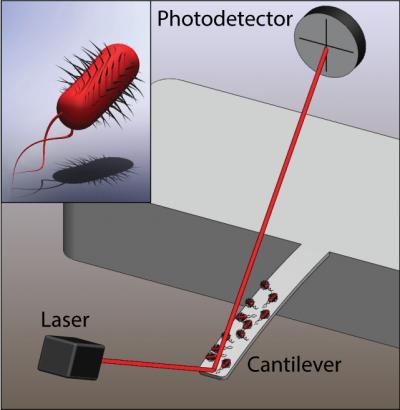
A team of researchers has developed a new model to study the motion patterns of bacteria in real time and to determine how these motions relate to communication within a bacterial colony.

The researchers chemically attached colonies of Escherichia coli bacteria to a microcantilever – a microscopic beam anchored at one end, similar to a diving board – thus coupling its motion to that of the bacteria. As the cantilever itself isn't doesn't generate any vibrations, or 'noise,' this allowed the researchers to monitor the colony's reactions to various stimuli in real time.

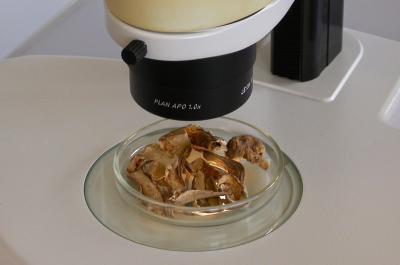
For lovers of wild foods, autumn means things like mushrooms and fungi of dizzying variety.

Intrepid treasure hunters scour the woods in search of delectable wild mushrooms and their not-quite-meat, not-quite-vegetable qualities.

A bonus: If you find some, you may be eating something not even known to science.

The Fungi Kingdom is enormously diverse and completely under-documented. Species are tough to know, and that is without counting the billions that have gone extinct without us ever knowing about them, but of the 10 million species likely out there, only about 100,000 have been described.