Banner
Why Antarctic Sea Ice Stopped Growing In 2015

Though numerical models and popular films like An Inconvenient Truth projected Arctic ice...
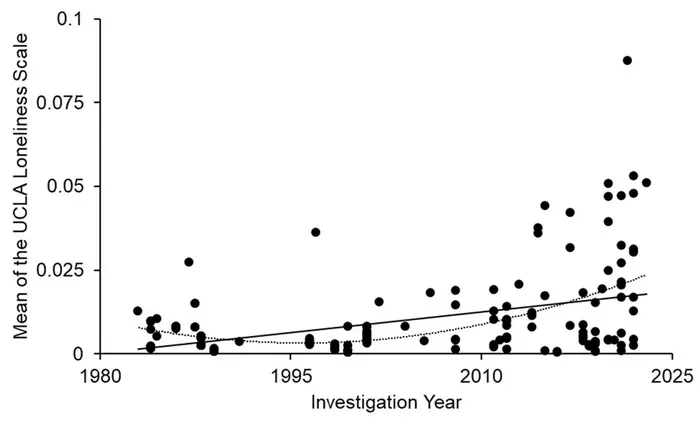
Wealth Correlated To Loneliness

You may have read that Asian cultures respect the elderly more than Europe but Asian senior citizens...
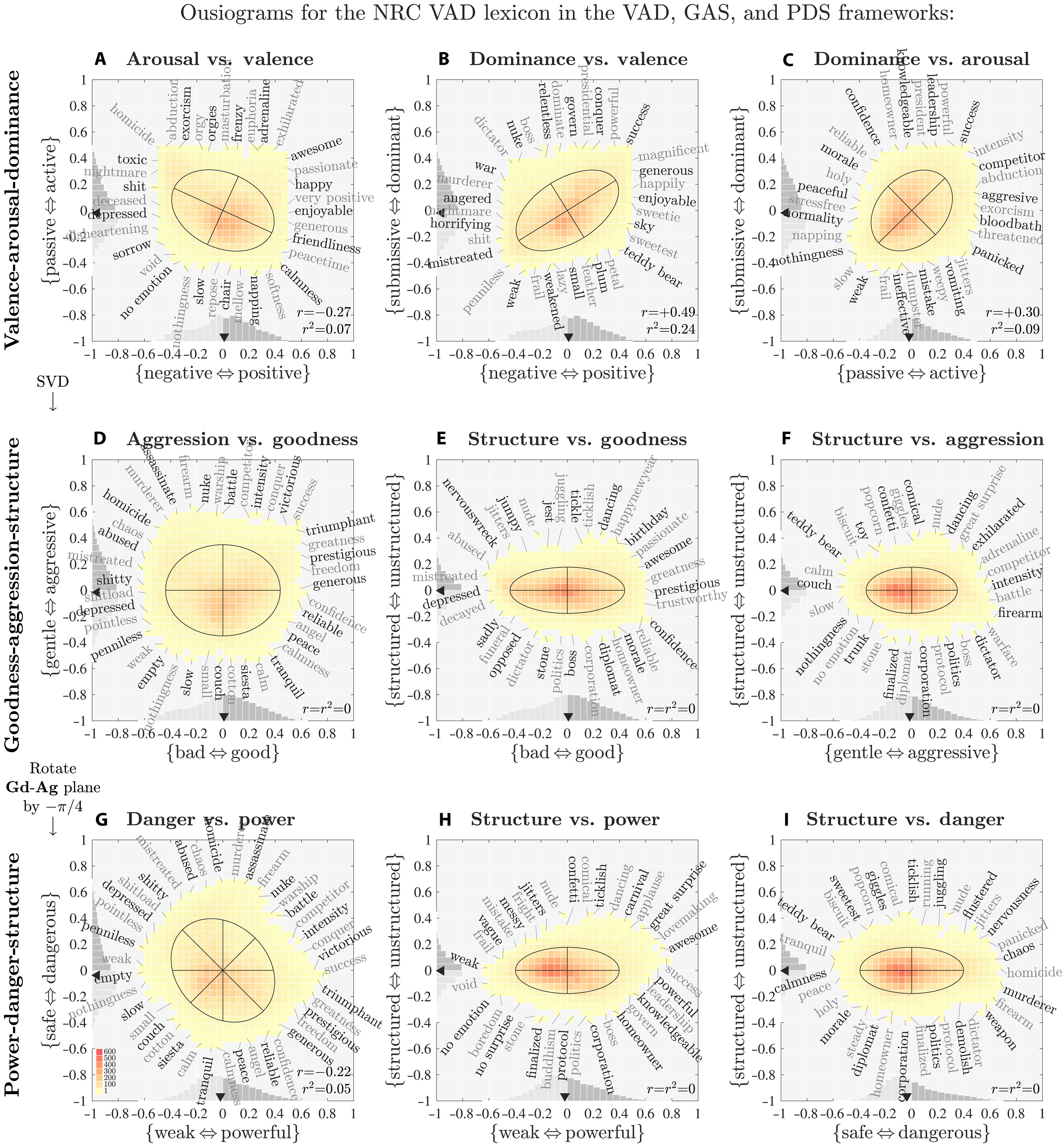
Ousiometrics Analysis Says All Human Language Is Biased

A new tool drawing on billions of uses of more than 20,000 words and diverse real-world texts claims...
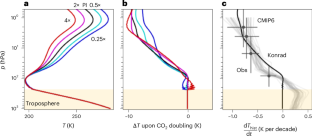
Wavelengths Of Light Are Why CO2 Cools The Upper Atmosphere But Warms Earth

There are concerns about projected warming on the Earth’s surface and in the lower atmosphere...

User picture.
News StaffRSS Feed of this column.

News Releases From All Over The World, Right To You... Read More »

Blogroll
Do you listen to experts when it comes to food? If so, you are in the rarity. Most mimic what their friends do, according to recent survey results.

Study participants ate an extra fifth of a portion of fruit and vegetables for every portion they thought their social media peers ate - and they consumed an extra portion of snack foods and sugary drinks for every three portions they believed their online social circles did.

So our friends determine our eating behavior? Or do we tend to be friends with people who have our lifestyles? And what might that mean for government panels that want to nudge the behavior of the public? Will we see targeted ad campaigns at key social media users?
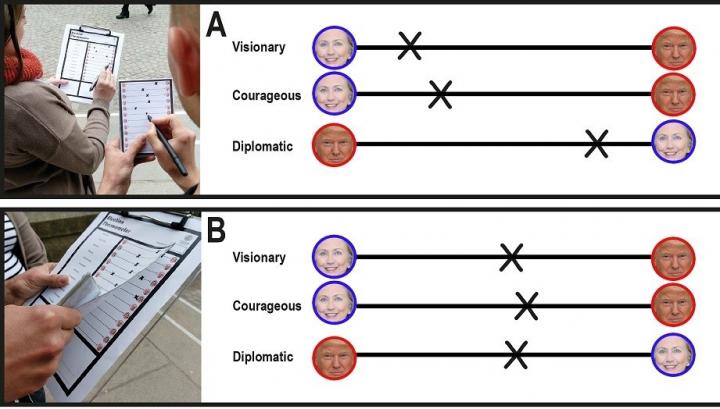
An experiment before the 2016 Trump-Clinton debate in metropolitan New York City showed that it was possible to have people be less polarized. 

They showed questionnaire responses where respondents were actually more moderate than their real responses, and then people justified their moderation.

Posing as political researchers, a research team from McGill and Lund Universities approached 136 voters at the first Donald Trump and Hilary Clinton presidential debate, on Long Island, and asked them to compare Trump and Clinton on various leadership traits (such as courage, vision, and analytic skills) by putting an X on a sliding scale. 
NGC 4490, nicknamed the "Cocoon Galaxy" because of its shape, has "a clear double nucleus structure," according to a new paper.

It's only realized now because while one nucleus can be seen in optical wavelengths, the other is hidden in dust and can only be seen in infrared and radio wavelengths.

The work started when first author Allen Lawrence was taking undergraduate astronomy classes at the University of Wisconsin-Madison. He had the chance to study one of two galaxy systems and picked NGC 4490, which is interacting with a smaller galaxy, NGC 4485. The system is about 20 percent of the size of the Milky Way, located in the Northern Hemisphere and about 30 million light years from Earth.
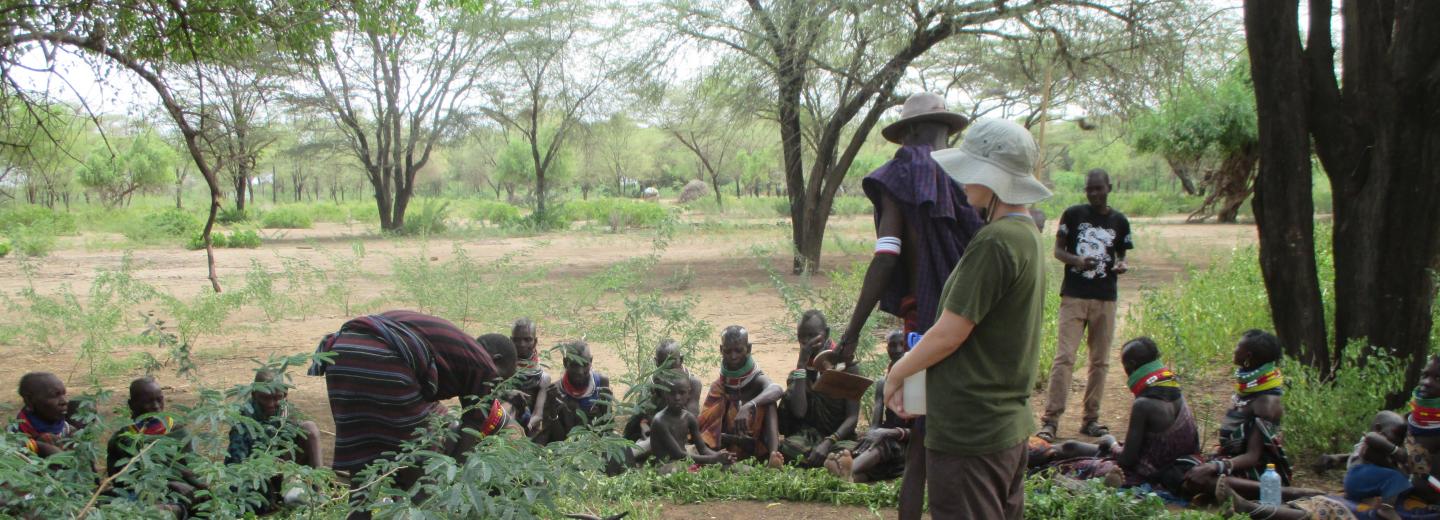
It doesn't seem like it if you watch political news but humans are unusually cooperative. We are unique in that we often cooperate with genetically unrelated strangers.

Nurses, firefighters, helping someone who dropped a package, standing in line, there is no natural selection benefit to that. In a natural selection-dominated world, the cheats, nepotists, and cronies would always win but unlike most of the animal kingdom, those behaviors are considered deviant.

Why do we cooperate? Language, intelligence, religion, the desire to hunt large game, there is no shortage of speculation about why we became Apex Cooperators. 
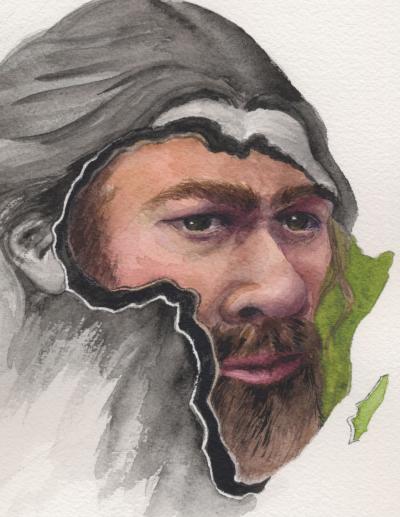
Neanderthal DNA sequences are more common in modern Africans than previously known, and different non-African populations have levels of Neanderthal ancestry surprisingly similar to each other, according to a new study in Cell.

Researchers arrived at these findings by developing a new statistical method, called IBDmix, to identify Neanderthal sequences in the genomes of modern humans. The results also suggest that African genomes contain Neanderthal sequences in part due to back-migration of ancestors of present-day Europeans. 
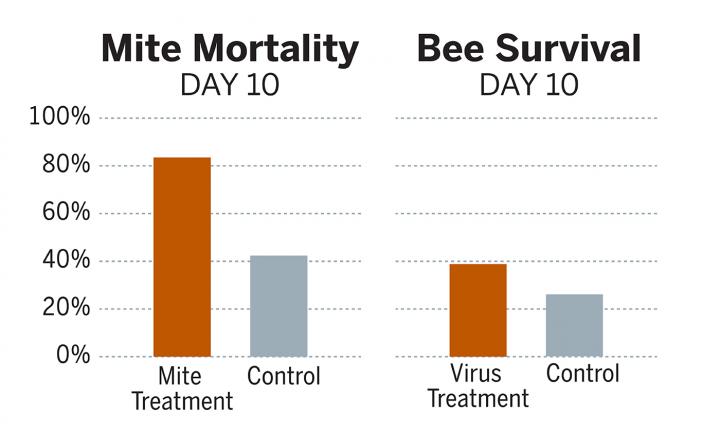
Sometimes bees die off in large groups. Since the first beekeeping recorded in history, in the 10th century, there have been documented cases where entire hives perished. Some blamed bad bee husbandry, some blamed weather, and then in recent cases some tried to blame pesticides.