Banner
Why Antarctic Sea Ice Stopped Growing In 2015

Though numerical models and popular films like An Inconvenient Truth projected Arctic ice...

Wealth Correlated To Loneliness

You may have read that Asian cultures respect the elderly more than Europe but Asian senior citizens...
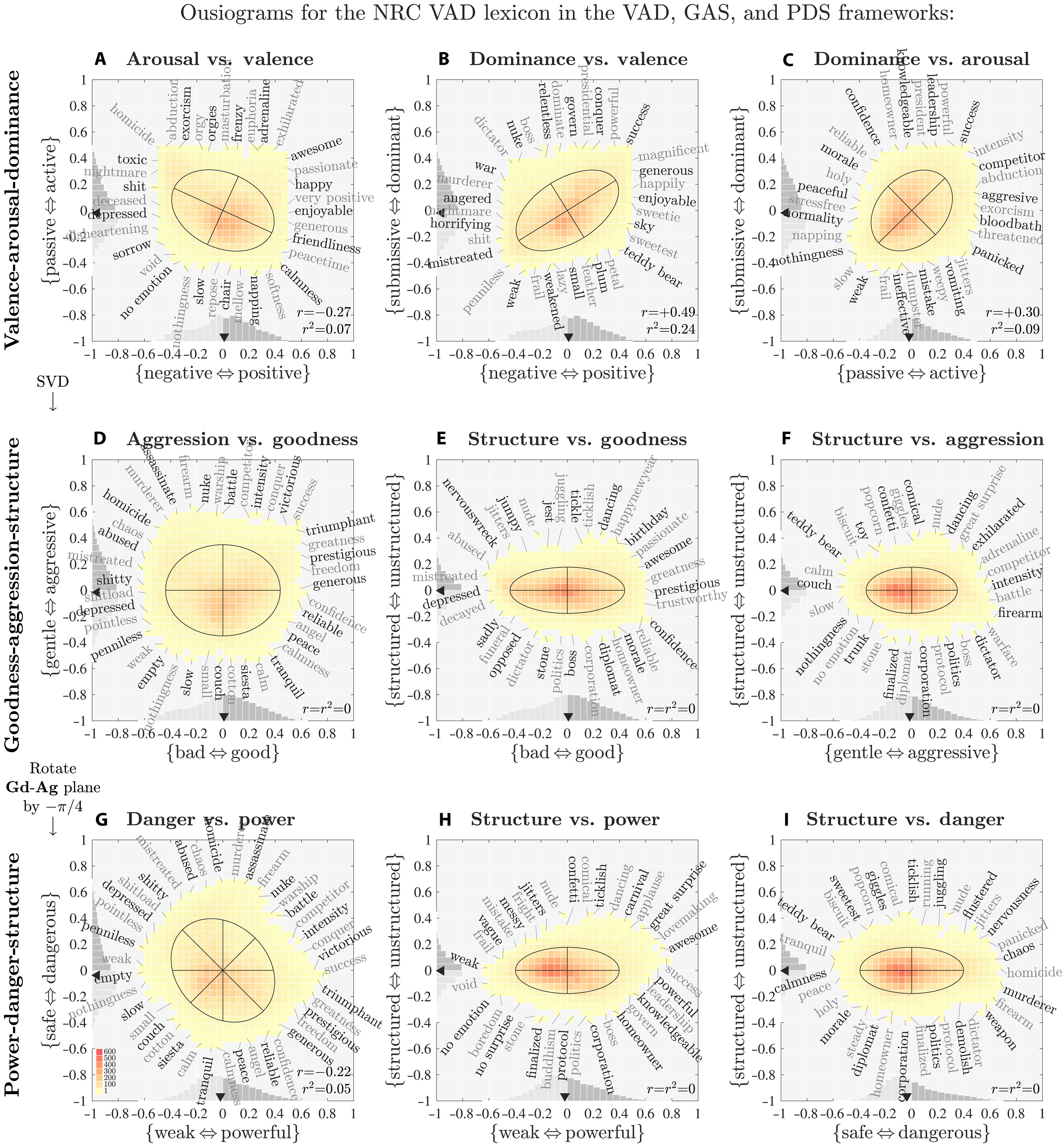
Ousiometrics Analysis Says All Human Language Is Biased

A new tool drawing on billions of uses of more than 20,000 words and diverse real-world texts claims...
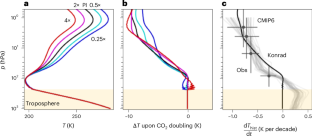
Wavelengths Of Light Are Why CO2 Cools The Upper Atmosphere But Warms Earth

There are concerns about projected warming on the Earth’s surface and in the lower atmosphere...

User picture.
News StaffRSS Feed of this column.

News Releases From All Over The World, Right To You... Read More »

Blogroll
Stevia rebaudiana is part of the sunflower family (Asteraceae), like the daisy. It is native to Brazil and Paraguay, where the local populations have used it as a sweetener for as long as written records have been kept.
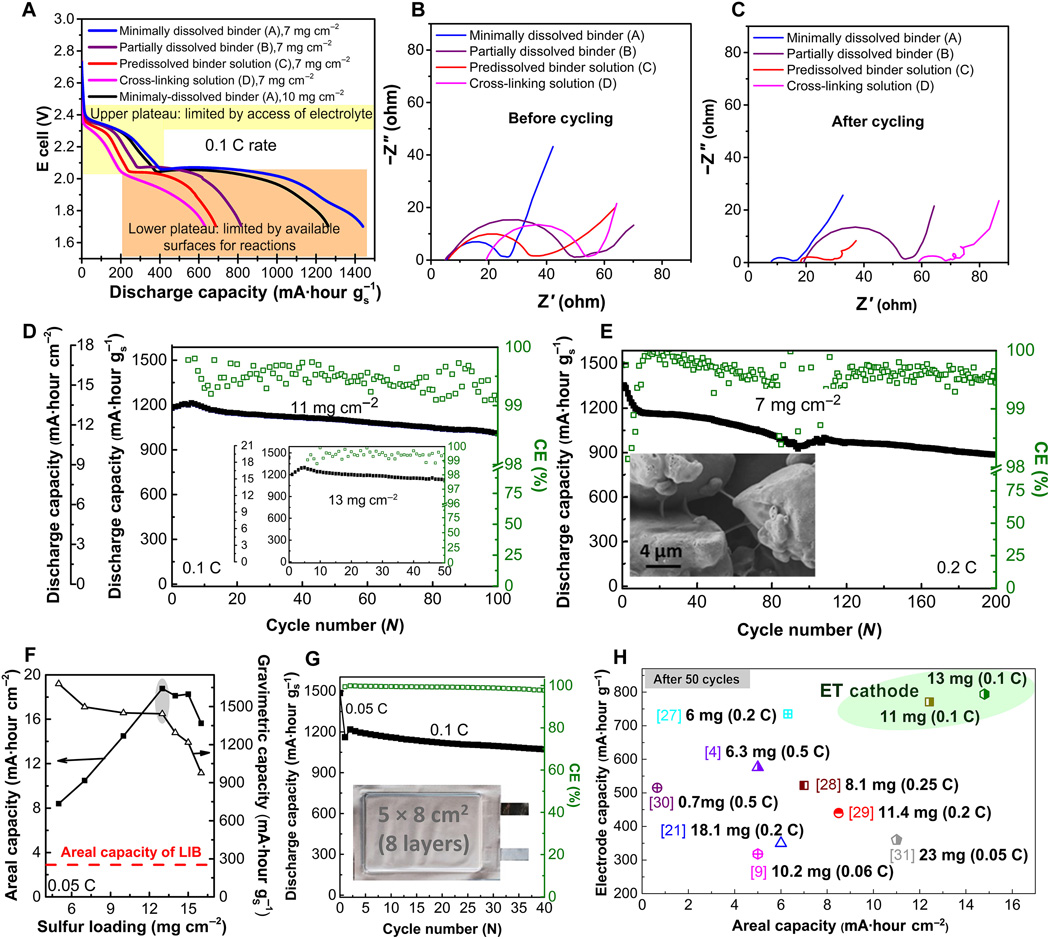
Australian academics have a filed patent (PCT/AU 2019/051239) on the manufacturing process for a lithium-sulphur battery capable of powering a smartphone for five continuous days. Even better for them, they got $2.5 million in government funding and industry partners to test it.

They say their ultra-high capacity Li-S battery has four times better performance and less environmental impact than current lithium-ion products. Improvements are certainly needed. Li-ion batteries were developed decades ago and while technology has zoomed into the future in many areas, in battery storage it has not. The lack of progress holds back applications that require storage, like solar power.
With health insurance costs having gone up for many Americans by 300 percent since the implementation of the Affordable Care Act, there is concern about ways to contain costs.

No one is willing to contain costs when it comes to children, a new study shows. In America's sue-and-settle culture, the big cost for medicine was not drugs or malpractice insurance, it was "defensive" medicine; running tests doctors know patients don't need, or providing a treatment that won't help, because they have to check off every box to prevent lawyers waiting to sue for malpractice.
Though there is some evidence that a ketogenic diet can help people with epilepsy, the 'food as medicine' industry has instead made huge leaps into a lot of claims based on suspect evidence.

While biologists will often note that there are a lot of food myths - turkey will make you sleepy, a child will run around like a maniac if they eat sugar - new ones are promoted just as fast, like that various diets significantly influence mental health and wellbeing. That is the issue; science may find one thing but surveys pretend to be just as valid, using claims of statistical significance that may be meaningless.
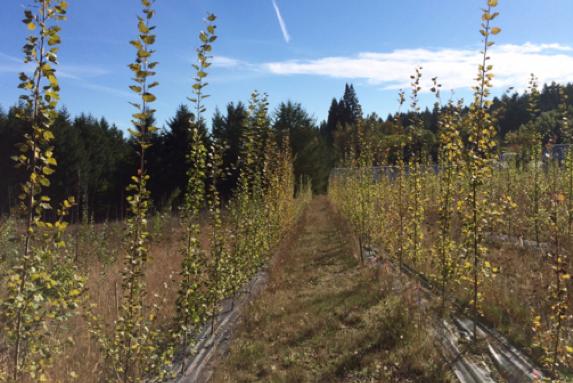
Poplars have become popular for use in products like paper, pallets, plywood, furniture frames - even as a biofuel - because they grow quickly.

But being natural doesn't mean being good for the environment. Poplars are a natural source of isoprene, which negatively affects regional air quality and can lead to higher levels of atmospheric aerosol production, more ozone in the air and longer methane life. Ozone and methane are n the category of greenhouse gases, and ozone is also listed as a respiratory irritant.
With the recent legalization of cannabis edibles in Canada, physicians may be inclined to recommend them in much the same way they do homeopathy or naturopathy. But unlike those placebos, which should not be recommended because it's a government subsidy for fraud, there are health risks for cannabis edibles, and media doesn't give it much attention.

"Although edibles are commonly viewed as a safer and more desirable alternative to smoked or vaped cannabis, physicians and the public should be aware of several risks related to the use of cannabis edibles," write Drs. Jasleen Grewal and Lawrence Loh from the University of Toronto, Toronto, Ontario.