Banner
How To Overcome Leadership Battles

In times of social rancor and strife, most will fight each other, but societies are saved by those...
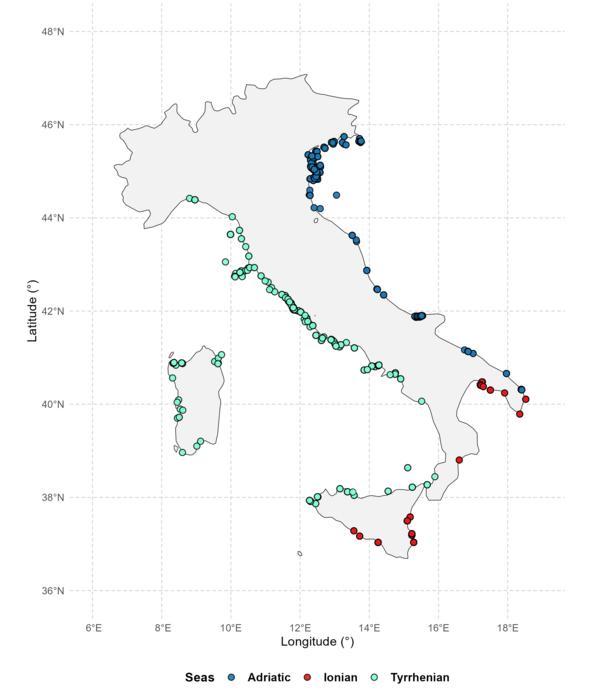
Thousands Of Unpublished Studies Show Why Conservation Efforts Miss The Mark

Europe alone has so much unpublished, un-catalogued biological data that it is challenging to take...

Why Antarctic Sea Ice Stopped Growing In 2015

Though numerical models and popular films like An Inconvenient Truth projected Arctic ice...
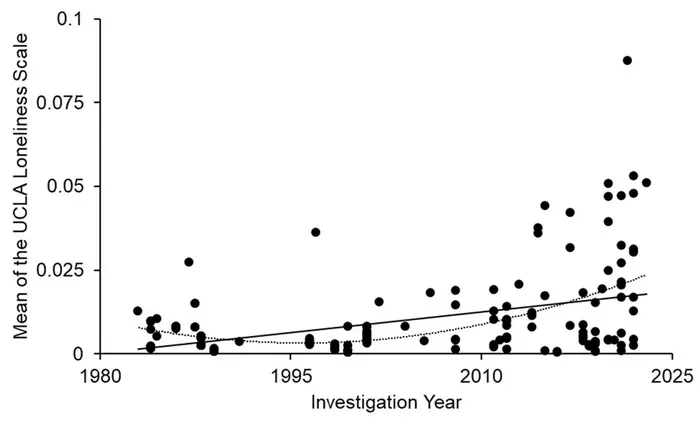
Wealth Correlated To Loneliness

You may have read that Asian cultures respect the elderly more than Europe but Asian senior citizens...

User picture.
News StaffRSS Feed of this column.

News Releases From All Over The World, Right To You... Read More »

Blogroll

The body's assailants are cleverer than previously thought. New research from Lund University in Sweden shows for the first time how bacteria in the airways can help each other replenish vital iron. The bacteria thereby increase their chances of survival, which can happen at the expense of the person's health.

The bacteria Haemophilus influenzae is a type of bacteria in the respiratory tract that can cause ear infections and worsen the prognosis for COPD patients. In rare cases, it can also lead to meningitis and septicaemia.

New discoveries about how butterflies feed could help engineers develop tiny probes that siphon liquid out of single cells for a wide range of medical tests and treatments.

The research has brought together Clemson's materials scientists and biologists who have been focusing on the proboscis, the mouthpart that many insects used for feeding.

For materials scientists, the goal is to develop what they call "fiber-based fluidic devices," among them probes that could eventually allow doctors to pluck a single defective gene out of a cell and replace it with a good one, said Konstantin Kornev, a Clemson materials physics professor. "If someone were programmed to have an illness, it would be eliminated," he said.

The Intergovernmental Panel on Climate Change (IPCC), a United Nations geographically-chosen group of climate researchers, is the most high-profile science body in the world. Publicly they state that short-term weather events not be linked to climate change, since if every heat wave is called proof of global warming, every snowstorm will be called proof against it.

Despite UN cautions, numerous papers still link short-term weather events to climate change. In Climate Dynamics,
Florida State University geography professor

Researchers have discovered an enzyme that regulates production of the toxins that contribute to potentially life-threatening Staphylococcus aureus infections. 

The enzym is fatty acid kinase (FAK) and FAK is formed by the proteins FakA and FakB1 or FakB2. The new study demonstrated how FakA and FakB work together to replace fatty acids in the bacterial membrane with fatty acids from the person infected. 

Obstructive sleep apnea, in which people stop breathing for short periods while sleeping. Breathing pauses last from seconds to minutes and may occur 30 times per hour, after which normal breathing then starts again, often with a snoring or choking sound.

About five percent of adults have some form of sleep apnea. It can ncrease the risk of high blood pressure, heart attack and arrhythmias. It is most prevalent in obese people and some studies have also postulated that obstructive sleep apnea may be linked to cancer because of low levels of oxygen in the blood. 

In some women abnormally high levels of the common and pervasive chemical perchlorate may lead to adverse effects in their offspring. The study in the Journal of Clinical Endocrinology  &  Metabolism says is the first of its kind to shed light on the possible harmful side effects of perchlorate in mothers and their children.