Banner
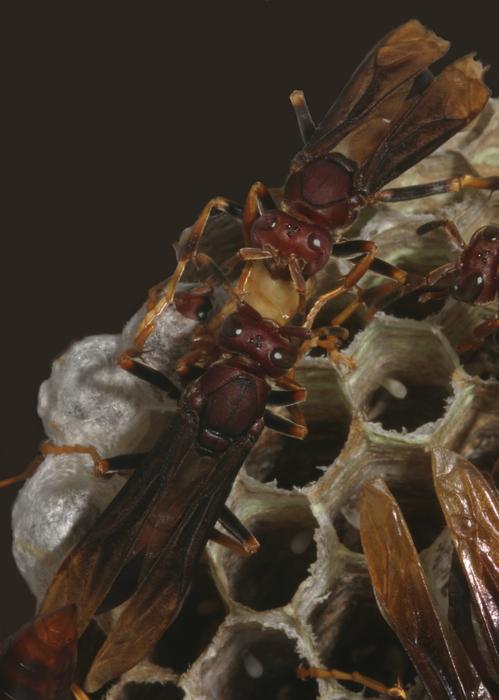
How To Overcome Leadership Battles

In times of social rancor and strife, most will fight each other, but societies are saved by those...
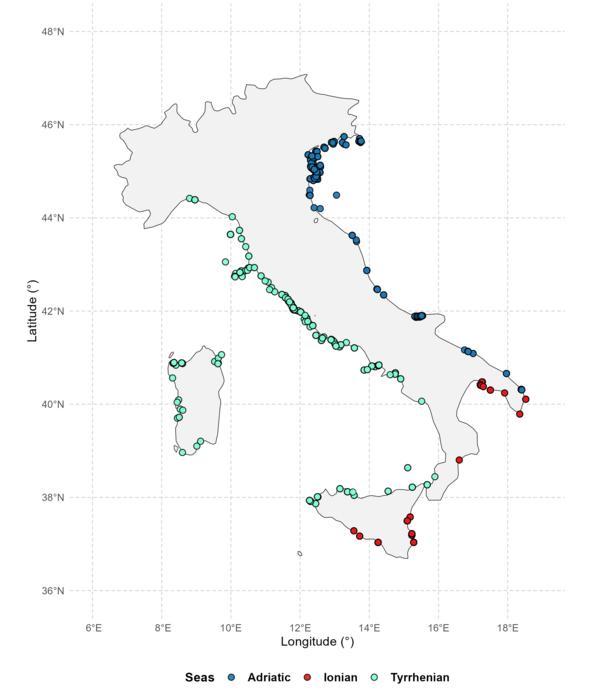
Thousands Of Unpublished Studies Show Why Conservation Efforts Miss The Mark

Europe alone has so much unpublished, un-catalogued biological data that it is challenging to take...

Why Antarctic Sea Ice Stopped Growing In 2015

Though numerical models and popular films like An Inconvenient Truth projected Arctic ice...
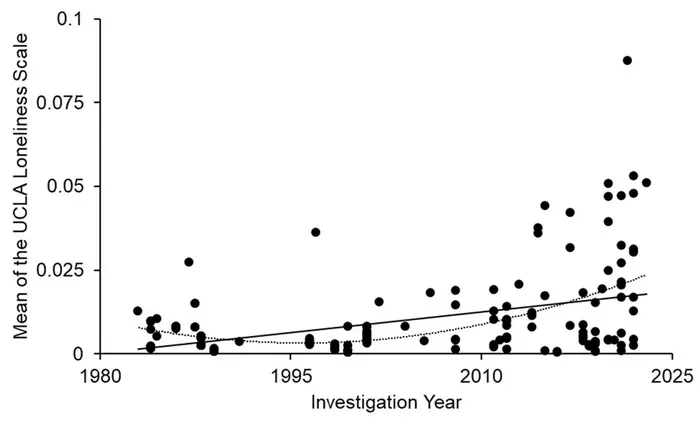
Wealth Correlated To Loneliness

You may have read that Asian cultures respect the elderly more than Europe but Asian senior citizens...

User picture.
News StaffRSS Feed of this column.

News Releases From All Over The World, Right To You... Read More »

Blogroll
In the world we commonly perceive around us, it takes only a slight disturbance for a pencil standing on its tip to fall in one direction or another, but in the quantum world it is possible in principle for particles of a system to fall both left and right at the same time.

Differentiating this “and” state – the quantum entanglement of particles – from the classical “or” is an experimental challenge. Scientists have now devised a  quantum metrology method that enables entanglement verification for states of large atomic systems.

Dietary capsaicin, the active ingredient in chili peppers, produces chronic activation of a receptor on cells lining the intestines of mice, triggering a reaction that ultimately reduces the risk of colorectal tumors, finds a study in The Journal of Clinical Investigation.

More than 10,000 reptile species have been recorded into the Reptile Database, a web-based catalog of all living reptile species and classification, making the reptile species among the most diverse vertebrate groups in the world, alongside bird and fish species, and likely the largest known.

Experts projected that 2014 would mark the year that reptiles would become the most diverse vertebrate group in the world. Reptiles include snakes, lizards, turtles, crocodiles, tuataras and amphisbaenians.

A paper in The Journal of Clinical Investigation helps explain why brain tumors occur more often in males and frequently are more harmful than similar tumors in females.

Glioblastomas, the most common malignant brain tumors, are diagnosed twice as often in males, who suffer greater cognitive impairments than females and do not survive as long. The researchers found that retinoblastoma protein (RB), a protein known to reduce cancer risk, is significantly less active in male brain cells than in female brain cells.

New research has revealed psychogenic seizures which could be mistaken for epilepsy are linked to feelings of anxiety. The team of researchers devised a set of tests to determine whether there was a link between how people interpret and respond to anxiety, and incidences of psychogenic nonepileptic seizures (PNESs) – seizures that can be brought on by threatening situations, sensations, emotions, thoughts, or memories.

Understanding eye diseases is tricky enough but knowing what causes them at the molecular level will help.

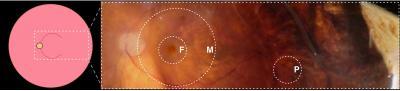
University of Iowa researchers have created the most detailed map to date of a region of the human eye long associated with blinding diseases, such as age-related macular degeneration. The high-resolution molecular map catalogs thousands of proteins in the choroid, which supplies blood and oxygen to the outer retina, itself critical in vision.

By seeing differences in the abundance of proteins in different areas of the choroid, the researchers can begin to figure out which proteins may be the critical actors in vision loss and eye disease.