Banner
How To Overcome Leadership Battles

In times of social rancor and strife, most will fight each other, but societies are saved by those...
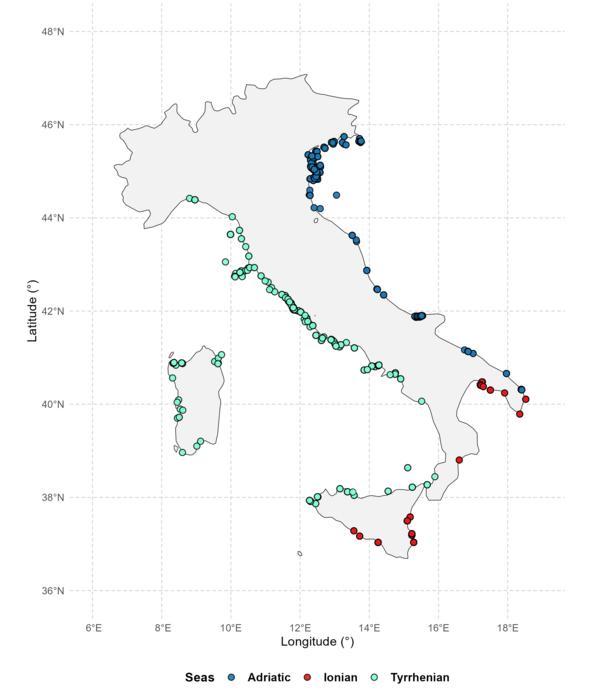
Thousands Of Unpublished Studies Show Why Conservation Efforts Miss The Mark

Europe alone has so much unpublished, un-catalogued biological data that it is challenging to take...

Why Antarctic Sea Ice Stopped Growing In 2015

Though numerical models and popular films like An Inconvenient Truth projected Arctic ice...
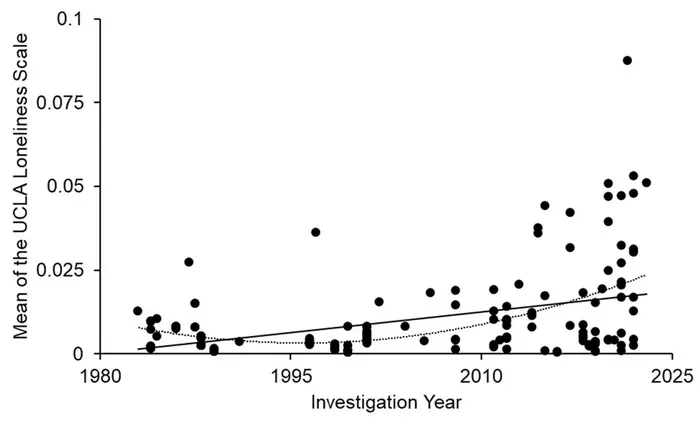
Wealth Correlated To Loneliness

You may have read that Asian cultures respect the elderly more than Europe but Asian senior citizens...

User picture.
News StaffRSS Feed of this column.

News Releases From All Over The World, Right To You... Read More »

Blogroll

Is it true that you can discern how someone votes based on their Google search history related to science and health issues? It seems to be so, in a majority of cases.

Republicans search for information about the weather, climate change and global warming during extremely hot or cold spells while Democrats search those terms when they experience changes in the average temperatures.

Corey Lang of the University of Rhode Island tracked how the temperature fluctuations and rainfall that Americans experience daily in their own cities make them scour the Internet in search of information about climate change and global warming.

To do so, he used data from Google Trends, local weather stations and election results.

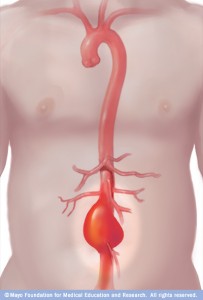
An abdominal aortic aneurysm is a potentially life-threatening condition: If the body's major blood vessel ruptures, it can prove deadly.

Abdominal aortic aneurysms are a bulge in the aorta, which is the body's largest artery and is located in the abdomen above the belly button. The greatest risk is that the aneurysm will rupture.
That's scary but who should be watched?

The U.S. Preventive Services Task Force recently updated its recommendations on screening and Mayo Clinic vascular surgeon Peter Gloviczki, M.D., outlines how people are diagnosed and how surgery, which now includes a less invasive endovascular option, is improving survival rates

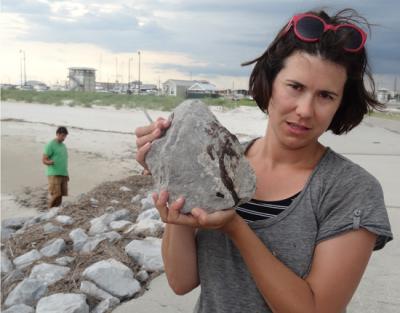
The 2010 BP Deepwater Horizon spill in the Gulf of Mexico was, to-date, the largest accidental release of oil into the ocean. 210 million gallons issued from the blown-out well.

In an attempt to prevent vast quantities of oil from fouling beaches and marshes, BP applied 1.84 million gallons of the dispersant compound DOSS to oil released in the subsurface and to oil slicks at the sea surface. DOSS rapidly degrades in the environment but a new study by scientists at Haverford College and Woods Hole Oceanographic Institution (WHOI) found that though DOSS does decrease the size of oil droplets and hampers the formation of large oil slicks, it can persist in the environment for up to four years.

Cases of the highly contagious drug-resistant bacteria carbapenem-resistant Enterobacteriaceae  (CRE), have increased fivefold in community hospitals in the Southeastern United States, according to a new study in Infection Control and Hospital Epidemiology.

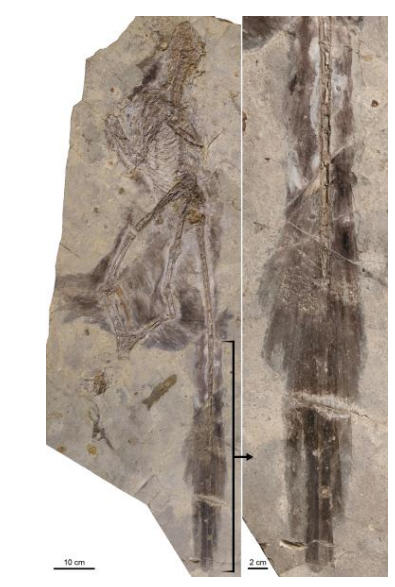
A new raptorial dinosaur fossil with exceptionally long feathers, including a long feathered tail, has led the authors to believe they were instrumental for decreasing descent speed and assuring safe landings. 

Changyuraptor yangi is a 125-million-year-old dinosaur found in the Liaoning Province of northeastern China. The location has seen a surge of discoveries in feathered dinosaurs over the last decade. The newly discovered, remarkably preserved dinosaur sports a full set of feathers cloaking its entire body, including the extra-long tail feathers.

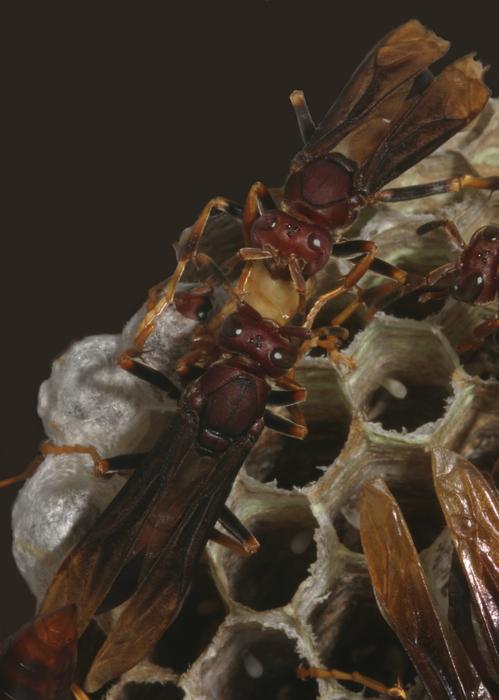
A new research paper analyzed how cooperative attitudes evolve in different age ranges.