Banner
How To Overcome Leadership Battles

In times of social rancor and strife, most will fight each other, but societies are saved by those...
Thousands Of Unpublished Studies Show Why Conservation Efforts Miss The Mark

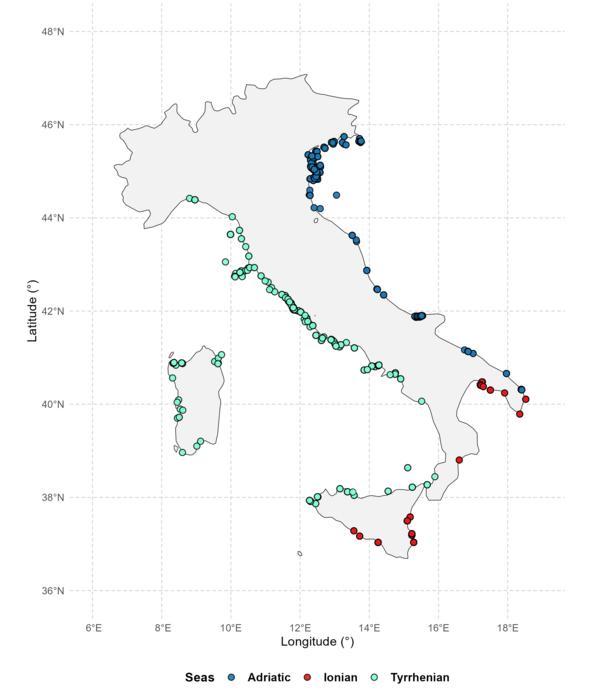
Europe alone has so much unpublished, un-catalogued biological data that it is challenging to take...

Why Antarctic Sea Ice Stopped Growing In 2015

Though numerical models and popular films like An Inconvenient Truth projected Arctic ice...
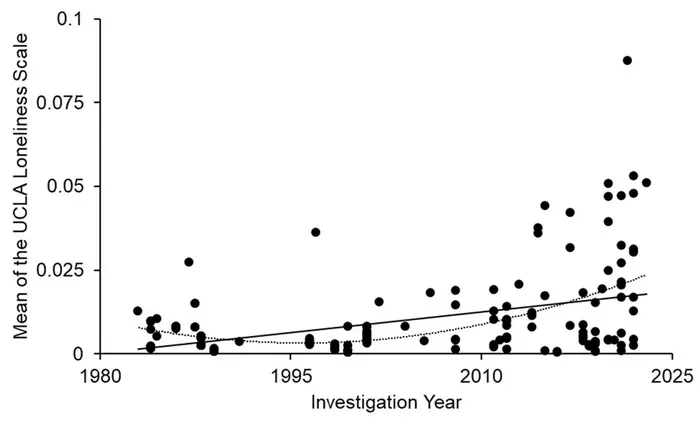
Wealth Correlated To Loneliness

You may have read that Asian cultures respect the elderly more than Europe but Asian senior citizens...

User picture.
News StaffRSS Feed of this column.

News Releases From All Over The World, Right To You... Read More »

Blogroll

A new paper has found that drug paraphernalia triggers the reward areas of the brain differently in dependent and non-dependent marijuana users.

The 2012 National Survey on Drug Use and Health shows marijuana is the most widely used illicit drug in the United States. According to a 2013 survey from the Pew Research Center, 48 percent of Americans ages 18 and older have tried marijuana. The National Institute on Drug Abuse states that 9 percent of daily users will become dependent on marijuana.

The Magnetometer instrument that will fly on NOAA's GOES-R satellite when it is launched in early 2016 has completed the development and testing phase and is ready to be integrated with the spacecraft. 
The GOES-R series will be more advanced than the current GOES fleet. The satellites are expected to more than double the clarity of today's GOES imagery and provide more atmospheric observations than current capabilities with more frequent images.

The University of Manchester's National Confidential Inquiry into Suicide and Homicide by People with Mental Illness found that mental health patients are at their highest risk of suicide in the first two weeks after leaving hospital.

Around 3,225 patients died by suicide in the UK within the first three months of their discharge from hospital – 18% of all patient suicides between 2002-2012 - and 526 patients died within the first week, the peak time of risk in England, Northern Ireland and Scotland. In Wales, it is the first two weeks after leaving the hospital.  

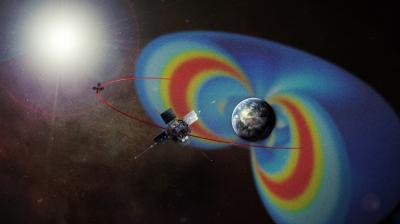
What creates the two gigantic donuts of radiation surrounding Earth called the Van Allen radiation belts? The Van Allen Probes launched in 2012 want to find out.

The inner Van Allen radiation belt is fairly stable, but the outer one changes shape, size and composition in ways that scientists don't yet perfectly understand. Some of the particles within this belt zoom along at close to light speed, but just what accelerates these particles up to such velocities? Recent data from the Van Allen Probes suggests that it is a two-fold process: One mechanism gives the particles an initial boost and then a kind of electromagnetic wave called Whistlers does the final job to kick them up to such intense speeds.

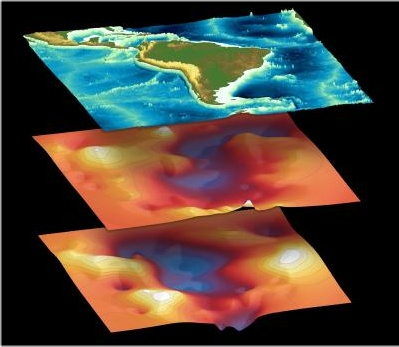
Rainwater can penetrate below the Earth's fractured upper crust, according to a new study.

It had been thought that surface water could not penetrate the ductile crust, where temperatures of more than 300°C and high pressures cause rocks to flex and flow rather than fracture, but researchers have now found fluids derived from rainwater at these levels. 

Fluids in the Earth's crust can weaken rocks and may help to initiate earthquakes along locked fault lines. They also concentrate valuable metals such as gold. The new findings suggest that rainwater may be responsible for controlling these important processes, even deep in the Earth.

Donating a kidney is a selfless act and it is going to save a life.

But even before the Affordable Care Act, it had pitfalls if you wanted to add or change health insurance. In the future, the only option could be state Medicare programs, which many doctors are refusing to accept now.   Under the Patient Protection and Affordable Care Act, insurance companies can no longer refuse health insurance to live kidney donors or charge them a higher insurance rate. But, as with 'If you like your doctor, you can keep your doctor', the rules may change at any time, making donors stuck with nothing but government programs and the inability to get an appointment.

And insurance companies clearly penalize donors and have done so for decades.