Banner
Synchrotron Could Shed Light On Exotic Dark Photons

There are many hypothetical particles proposed to explain dark matter and one idea to explore how...

The Pain Scale Is Broken But This May Fix It

Chronic pain is reported by over 20 percent of the global population but there is no scientific...
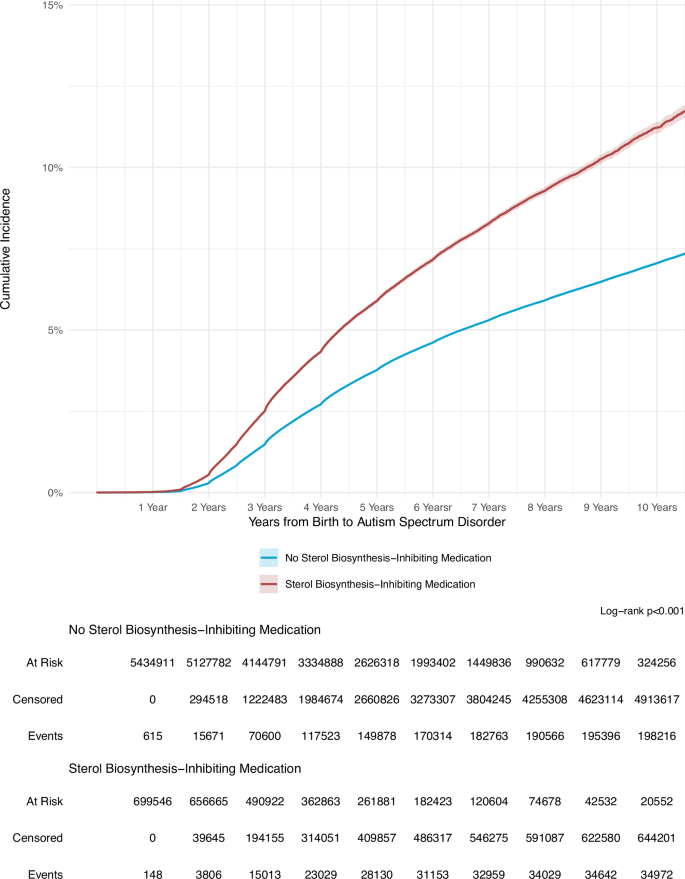
Study Links Antidepressants, Beta-blockers and Statins To Increased Autism Risk

An analysis of 6.14 million maternal-child health records  has linked prescription medications...

Pilot Study: Fibromyalgia Fatigue Improved By TENS Therapy

Fibromyalgia is the term for a poorly-understood condition where people experience pain and fatigue...

User picture.
News StaffRSS Feed of this column.

News Releases From All Over The World, Right To You... Read More »

Blogroll
Galactan is a polymer of galactose, a six-carbon sugar that can be readily fermented by yeast into ethanol and is a target of interest for those researching advanced biofuels produced from cellulosic biomass.

Galactans are polysaccharide components of pectin, the sticky sugar substance that binds together the individual cells in plant cell walls (and is used to make delicious jellies and jams). The β-1,4-galactan component of pectin is especially abundant in the “tension wood” that forms in cell walls in response to mechanical stress from wind or snowfall. An international collaboration has identified the first enzyme capable of substantially boosting the amount of galactan in plant cell walls.
Sex is not just an activity confined to higher animals such as mammals and not just for reproduction. The changes in offspring that result during reproduction are integral to the continuing adaptation and evolution of millions of species of plants, fungi and other organisms throughout the food chain. 

Successful solo rock/pop stars are around twice as likely to die early as those in equally famous bands, indicates fascinating research you can read before you over-indulge on New Year's Eve. Though you could have read this same paper on New Year's Eve in 2007, in a different journal, just covering a slightly shorter period. Maybe researchers had a 2012 publish or perish deadline. 

A combination of robotic devices that disperse a time-honored bleaching agent into the air and then detoxify the disinfecting chemical are highly effective at killing and preventing the spread of multiple-drug-resistant bacteria - MRSA and so-called superbugs.

These hydrogen peroxide vaporizers were first deployed in several Singapore hospitals during the 2002 outbreak of severe acute respiratory syndrome, or SARS, and later stocked by several U.S. government agencies in case of an anthrax attack

Researchers have identified a mechanism by which the bacterium Staphylococcus aureus (S. aureus) colonizes our nasal passages, showing for the first time that a protein located on the bacterial surface called clumping factor B (ClfB) has high affinity for the skin protein loricrin.

Researchers in Spain have mixed paper industry waste with ceramic material used in the construction industry and created a brick that has low thermal conductivity and so is a good insulator. 

What's the catch? Its mechanical resistance still requires improvement. 

The scientists collected cellulous waste from a paper factory (recycled) along with sludge from the purification of its waste water. In their laboratory they then mixed this material with clay used in construction and passed the mixture through a pressure and extrusion machine to obtain bricks.