Banner
Synchrotron Could Shed Light On Exotic Dark Photons

There are many hypothetical particles proposed to explain dark matter and one idea to explore how...

The Pain Scale Is Broken But This May Fix It

Chronic pain is reported by over 20 percent of the global population but there is no scientific...
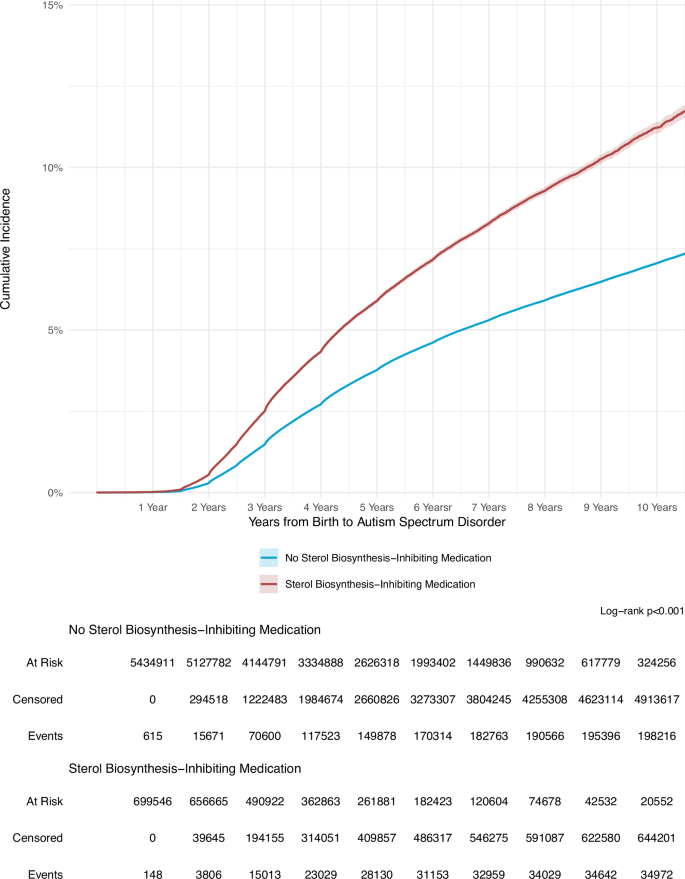
Study Links Antidepressants, Beta-blockers and Statins To Increased Autism Risk

An analysis of 6.14 million maternal-child health records  has linked prescription medications...

Pilot Study: Fibromyalgia Fatigue Improved By TENS Therapy

Fibromyalgia is the term for a poorly-understood condition where people experience pain and fatigue...

User picture.
News StaffRSS Feed of this column.

News Releases From All Over The World, Right To You... Read More »

Blogroll
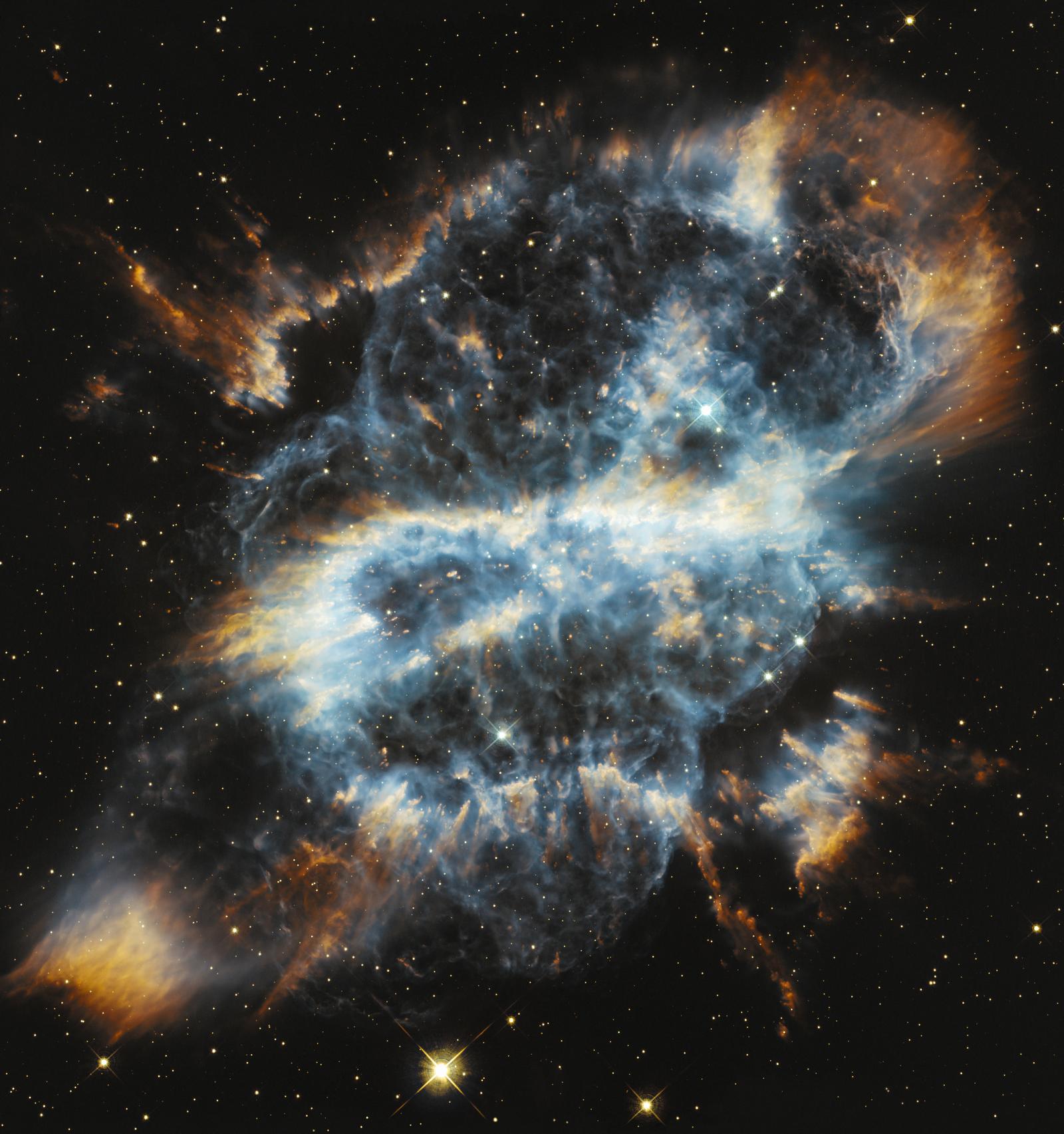
Nearby planetary nebula NGC 5189 and its bright gaseous nebula resembles a holiday ornament with a glowing ribbon - so it is perfect for a new Hubble image during the Christmas season.

 Planetary nebulae represent the final brief stage in the life of a medium-sized star. While consuming the last of the fuel in its core, the dying star expels a large portion of its outer envelope and this material then becomes heated by the radiation from the stellar remnant and radiates, producing glowing clouds of gas that can show complex structures, as the ejection of mass from the star is uneven in both time and direction.

Low pressure areas that dropped more than a foot of snow in some Midwestern states have prompted many warnings and weather advisories. Satellite data recently got a look at a major snowstorm.

On Dec. 21st, 2012, at 0729 UTC (2:29 a.m. EST), the Atmospheric Infrared Sounder (AIRS) instrument that flies aboard NASA's Aqua satellite captured an infrared image of the massive low pressure area that caused a major snowstorm in the Midwest and beyond. 

Brain imaging shows us what is happening during events and stimuli but it can't tell us much about how or why. Regardless, conclusion are often drawn and the poles of cultural debates are always jumping on the latest study to affirm their beliefs.

No one will be satisfied with a new University of Oxford study which concluded that the pain relief offered by cannabis is all subjective. The researchers found that an oral tablet of THC, the psychoactive ingredient in cannabis, tended to make the experience of pain more bearable, rather than actually reduce the intensity of the pain. MRI brain imaging showed reduced activity in key areas of the brain that substantiated the pain relief the study participants experienced. 

Taking body size into account, the black piranha and the extinct megapiranha have the most powerful bites of carnivorous fishes throughout known history.

It's no surprise they were both in the finals: The piranhas' specialized jaw morphology allows them to attack and bite chunks out of much larger prey and their aggressive nature, relatively small size and accessible populations make them a suitable group of predatory vertebrates in which to study the evolution of extreme biting capabilities. Even at their small body sizes, diet studies indicate that piranhas will attack and bite chunks of bony fins and flesh from prey many times larger than themselves.

The Australian mega bat and a Chinese micro bat may provide clues to the future treatment and prevention of infectious diseases and cancer in people, say researchers. 

These bats evolved flight, resistance to viruses and the ability to live relatively long time, say the team sequencing the genomes of the two bat species. They then compared the bat genomes to the genomes of eight other mammals, including humans, to find similarities and differences.
 

Neil Shubin alert: Researchers have found evidence that the development of hands and feet occurred through the gain of new DNA elements that activate particular genes - and they used a zebrafish to show it. 

The transition from water to land was obviously a major event in the history of vertebrate
life. In order to understand how fins may have evolved into limbs, researchers introduced extra Hoxd13, a gene known to play a role in distinguishing body parts, at the tip of a zebrafish embryo's fin. This led to the generation of new cartilage tissue and the reduction of fin tissue—changes that are similar to key aspects of land-animal limb development.