

Banner
Synchrotron Could Shed Light On Exotic Dark Photons

There are many hypothetical particles proposed to explain dark matter and one idea to explore how...

The Pain Scale Is Broken But This May Fix It

Chronic pain is reported by over 20 percent of the global population but there is no scientific...
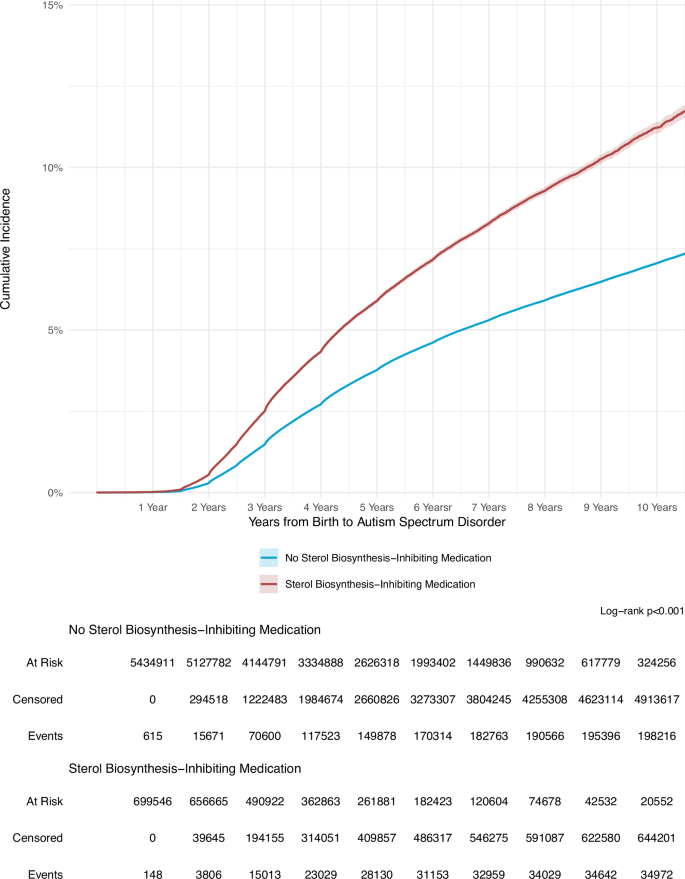
Study Links Antidepressants, Beta-blockers and Statins To Increased Autism Risk

An analysis of 6.14 million maternal-child health records  has linked prescription medications...

Pilot Study: Fibromyalgia Fatigue Improved By TENS Therapy

Fibromyalgia is the term for a poorly-understood condition where people experience pain and fatigue...

User picture.
News StaffRSS Feed of this column.

News Releases From All Over The World, Right To You... Read More »

Blogroll

A future without fossil fuels is ideal but impractical in the short term. 

However, for people not afraid of science, a PNAS paper showing that synthetic biology can be used to manipulate hydrocarbon chemicals, found in soaps and shampoos, in cells is some welcome news. This could mean fuel for cars or household power created from naturally-occurring fatty acids. Fossil fuels even more organic than current fossil fuels. Delightful!

The parasite Toxoplasma gondii (T. gondii) is one of the major causes of food-borne diseases but new insights into how the immune system combats T. gondii could lead to the development of long-sought vaccines. 

To fight off pathogens, the immune system relies on Toll-like receptors (TLRs), a class of proteins that recognize microbes and activate immune responses. The important role of TLR11 in recognizing the T. gondii infection was previously demonstrated by a team led by Sankar Ghosh of Columbia University and Alan Sher of the National Institute of Allergy and Infectious Diseases. But scientists had not yet identified any TLRs, including TLR11, that could promote survival in infected animals. 

A new paper detailing research from the rainforests of Panama provides an unprecedented level of detail regarding the diversity and distribution of arthropod species from the soil to the forest canopy - the authors estimate that a 6,000 hectare forest hosts a total of around 25,000 arthropod species, a figure vastly outnumbering that of better-studied organisms.  

The insurance industry and its $4.6 trillion in revenues isn't going to be caught unaware by climate change.  They are all about risk.

Sometimes that can have unfortunate effects in the real world. In 2009, former Vice-President Al Gore talked at an AAAS conference and put up a slide showing climate change projections and no one could figure out where he got it.  It turned out the slide was from an insurer, not science data, and he removed the slide from later presentations.

Hurricane Sandy is the most recent cited U.S. example of the kinds of increasing liabilities posed by attributing weather events to a changing climate.

The plague-causing bacteria Yersinia pestis evades detection and establishes a stronghold without setting off the body's early alarms but new discoveries reported this week help explain how the stealthy agent of Black Death avoids tripping a self-destruct mechanism inside germ-destroying cells. 

Normally, certain defender cells are programmed to burst if they are either invaded by or detect the presence of pathogens. This host defense mechanism called pyroptosis ("going up in flames") eliminates places for the germs to reproduce. As it splits open, the cell spills antimicrobial chemicals and emits signals to alert of an attack and its precise location. Tissues become inflamed as more cells arrive to fight the infection. 

Srinivasa Ramanujan was a self-taught Indian mathematician known for intuiting extraordinary numerical patterns and connections without using proofs or modern mathematical tools. Instead, the devout Hindu genius said that his findings were divine and were revealed to him in dreams by the goddess Namagiri.




