Banner
Synchrotron Could Shed Light On Exotic Dark Photons

There are many hypothetical particles proposed to explain dark matter and one idea to explore how...

The Pain Scale Is Broken But This May Fix It

Chronic pain is reported by over 20 percent of the global population but there is no scientific...
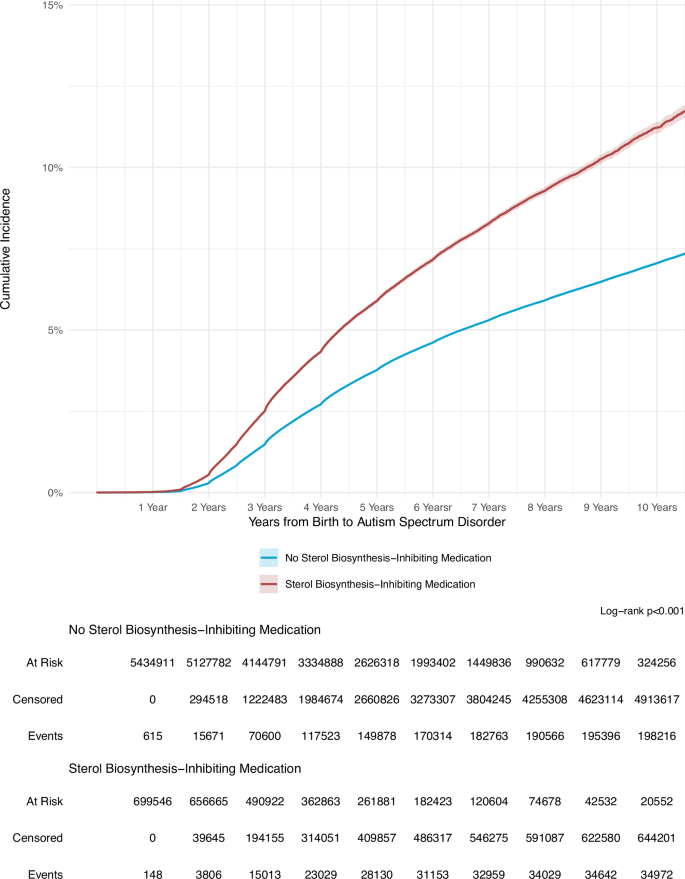
Study Links Antidepressants, Beta-blockers and Statins To Increased Autism Risk

An analysis of 6.14 million maternal-child health records  has linked prescription medications...

Pilot Study: Fibromyalgia Fatigue Improved By TENS Therapy

Fibromyalgia is the term for a poorly-understood condition where people experience pain and fatigue...

User picture.
News StaffRSS Feed of this column.

News Releases From All Over The World, Right To You... Read More »

Blogroll

The oncoming train wreck of climate change has an upside if you live in the Northeast part of America: fewer Snowmageddons brought on by cold weather.

A new high-resolution climate projection applied regional climate models to examine likely near-term changes in temperature and precipitation across the Northeast United States and says temperatures are going to be significantly warmer winter in the next 30 years, especially in winter. Winters will also be wetter. 

The climate scientists say they have created the highest resolution climate projections to-date for the Northeast from Pennsylvania to Maine for the period 2041 to 2070. The study used data from multiple climate model simulations run at greatly improved resolution. 

Some 3,300 years ago a tsunami must have hit the the island of Bonaire in the Caribbean, though no historical records of tsunamis exist.

Sediments don't lie and the sediments studied by scientists writing in Naturwissenschaften – The Science of Nature showed that this tsunami entirely changed the coastal ecosystem and sedimentation patterns in the area.

The Caribbean is no stranger to coastal hazards, including tropical cyclones, earthquakes, volcanoes, and tsunamis, but historical records for the island of Bonaire only go back 500 years. It has not experienced a tsunami during that time but overwash deposits from a coastal lagoon provide evidence for a real doozy of a tsunami in prehistory.

University of Warwick economists say they can calculate the true value of  political lobbyists in American politics - quantifying the 'it is not what you know, but who you know' adage.

Researchers have announced discovery of a species of animal related to crabs, lobsters and shrimps that is new to science.

Clinical trials are obviously important.  The results influence what drugs are approved by regulatory bodies, which can have a billion-dollar impact on companies.

Clinical trials have always been sponsored by industry - there has never been a meaningful  government-controlled research effort toward drug creation - but they have increasingly come under fire, due to claims that an industry sponsor can influence results and how they are reported to present their company and products in a better light.

It's not disputed that long necked sauropod dinosaurs were the largest land animals ever to walk the Earth, but why they got so large is a debate.

Was it the nature of the food they ate?  While that was considered, skepticism remained.  But a group of researchers now argues that the plant ecologists from South Africa who suggested a plant food cause for big dinosaurs were onto something; but scientists confused two different issues in thinking about this problem; namely how much energy is in the plant with how much nitrogen is in the plant – the South African ideas were based on nitrogen content not the total energy in the plant food. 

Drs. David Wilkinson and Graeme Ruxton of  
Liverpool John Moores University