

Banner
Synchrotron Could Shed Light On Exotic Dark Photons

There are many hypothetical particles proposed to explain dark matter and one idea to explore how...

The Pain Scale Is Broken But This May Fix It

Chronic pain is reported by over 20 percent of the global population but there is no scientific...
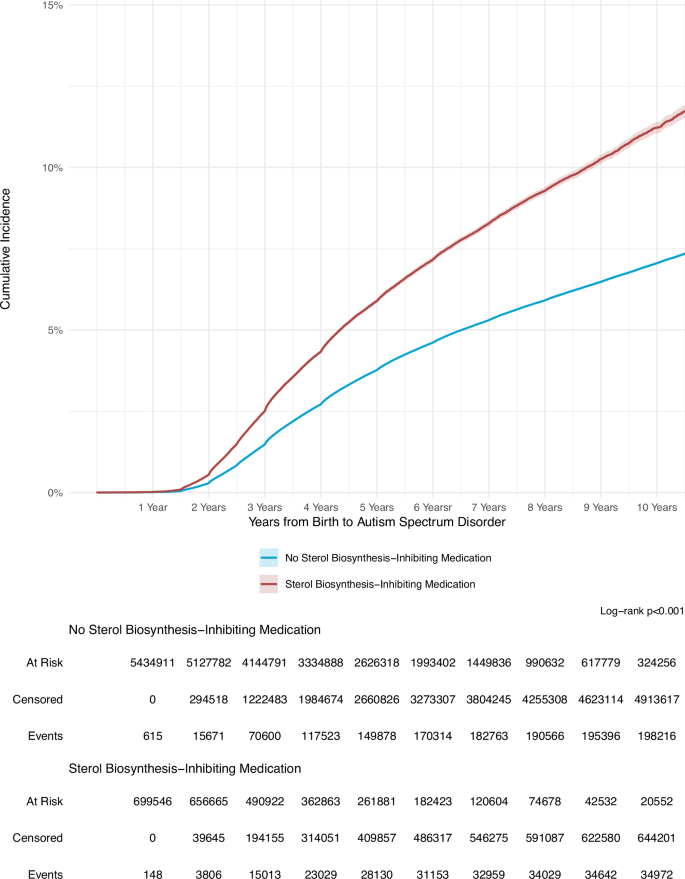
Study Links Antidepressants, Beta-blockers and Statins To Increased Autism Risk

An analysis of 6.14 million maternal-child health records  has linked prescription medications...

Pilot Study: Fibromyalgia Fatigue Improved By TENS Therapy

Fibromyalgia is the term for a poorly-understood condition where people experience pain and fatigue...

User picture.
News StaffRSS Feed of this column.

News Releases From All Over The World, Right To You... Read More »

Blogroll

The little-understood protein osteocalcin plays a significant role in the strength of our bones, says a new paper,  and the findings could lead to new strategies for fighting osteoporosis and lowering the risk of bone fracture.

Who came up with that? Biologists?  Doctors? No, engineers.

From an evolutionary standpoint, homosexuality is a trait that should not develop and persist in the face of natural selection. Yet it exists in most cultures, among men and women. Analyses have noted that homosexuality can run in families, leading researchers to hypothesize a genetic underpinning of sexual preference but no gene or group of genes for homosexuality have been found, despite numerous studies searching for a genetic connection. 

Public opinion on environmental issues such as climate change, deforestation, and toxic waste seems to fall along predictable partisan lines but they have little to do with science.

People who deny global warming, for example, conserve just as much energy as people who accept it.  And even the unscientific term 'global warming' gains more acceptance across the board when it is replaced with the more accurate 'climate change'.

A new psychology paper even suggests that environmental messages framed in terms of conservative morals, describing environmental stewardship in terms of fending off threats to the "purity" and "sanctity" of Earth and our bodies, may help to narrow the partisan gap. How many conservative sociologists do you know? 

An new American Cancer Society analysis found a strong inverse association between coffee and oral/pharyngeal cancer mortality. Real coffee, not that decaffeinated stuff.

The authors say people who drank more than four cups of coffee per day were at about half the risk of death of these often fatal cancers compared to those who only occasionally or who never drank coffee.

Previous epidemiologic studies have suggested that coffee intake is associated with reduced risk of oral/pharyngeal cancer so researchers examined associations of caffeinated coffee, decaffeinated coffee, and tea intake with fatal oral/pharyngeal cancer in the Cancer Prevention Study II, a prospective U.S. cohort study begun in 1982 by the American Cancer Society.

Citizen science has been around as long as there have been citizens. And science. But with the rise of private- and government-controlled research, science is more of an occupation. Areas like astronomy and paleontology still get valuable contributions from 'amateur' scientists but for the most part when people think of science they think of highly-paid academics and corporate labs.






