Banner
Synchrotron Could Shed Light On Exotic Dark Photons

There are many hypothetical particles proposed to explain dark matter and one idea to explore how...

The Pain Scale Is Broken But This May Fix It

Chronic pain is reported by over 20 percent of the global population but there is no scientific...
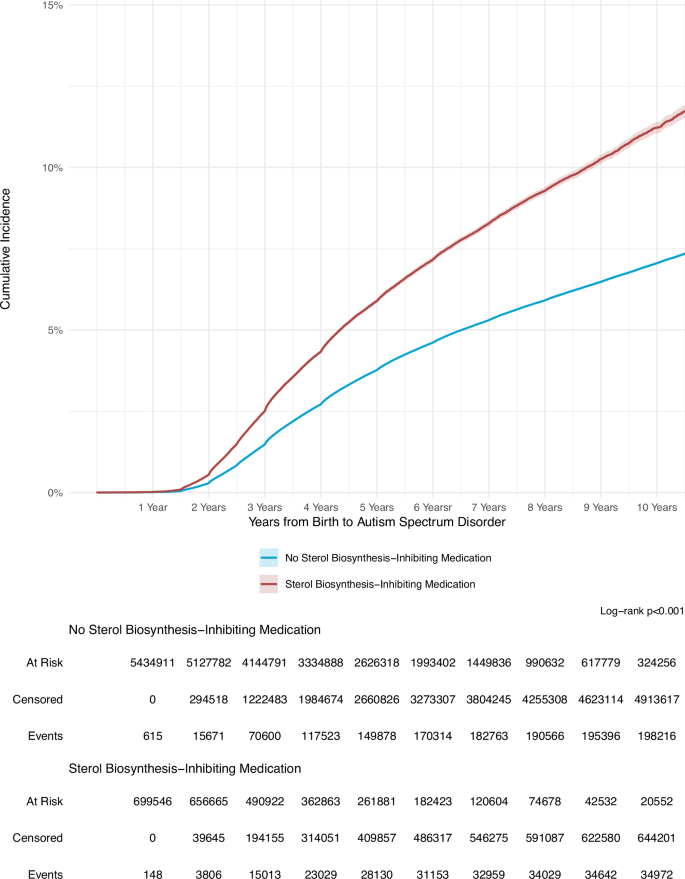
Study Links Antidepressants, Beta-blockers and Statins To Increased Autism Risk

An analysis of 6.14 million maternal-child health records  has linked prescription medications...

Pilot Study: Fibromyalgia Fatigue Improved By TENS Therapy

Fibromyalgia is the term for a poorly-understood condition where people experience pain and fatigue...

User picture.
News StaffRSS Feed of this column.

News Releases From All Over The World, Right To You... Read More »

Blogroll

Elsevier has launched a new, international, open access journal, Case Studies in Engineering Failure Analysis

The findings of a U.C. San Diego study conclude that marine (saltwater) algae can be just as efficient as freshwater algae in producing biofuels. 

The availability of significant saltwater environments for algae production is obvious. According to a Pacific Northwest National Laboratory's (PNNL) report, algal fuels grown in saline water from existing aquifers and recycling nutrients would be able to provide up to twice the goal for advanced biofuels set under the Energy Independence and Security Act - roughly 40 billion gallons or 20 percent of annual transportation fuel demand.  

The wetting model is a classical problem in surface and biomimetic science.  Wettability is determined by the balance between adhesive and cohesive forces, adhesive which is when a liquid tries to spread on a surface and cohesive when it forms into a ball.

The resultant between adhesive and cohesive forces is called the contact angle. As the tendency of a drop to spread out over a surface increases, the contact angle decreases, making the contact angle an inverse measure of wettability.

Various drugs companies have tried to produce antibodies that bind to the type 1 insulin-like growth factor, or IGF-1, receptor on the cell surface, which has a critical part to play in the development of cancer - but have had little success.

Understanding more about how these antibodies work may help explain why only some cancer patients are helped by IGF-1 blockers during clinical tests. 

New research found a more than four-fold increase in the incidence of breast cancer in women with neurofibromatosis-1 (NF1), which adds to evidence that women with this rare genetic disorder may benefit from early breast cancer screening (mammograms) beginning at age 40, and manual breast exams as early as adolescence.

The European Commission has approved  Abbott's HUMIRA® (adalimumab) for the treatment of pediatric patients aged 6 to 17 years with severe active Crohn's disease (CD) who failed, are intolerant to, or have contraindications to conventional therapy.