

Banner
Synchrotron Could Shed Light On Exotic Dark Photons

There are many hypothetical particles proposed to explain dark matter and one idea to explore how...

The Pain Scale Is Broken But This May Fix It

Chronic pain is reported by over 20 percent of the global population but there is no scientific...
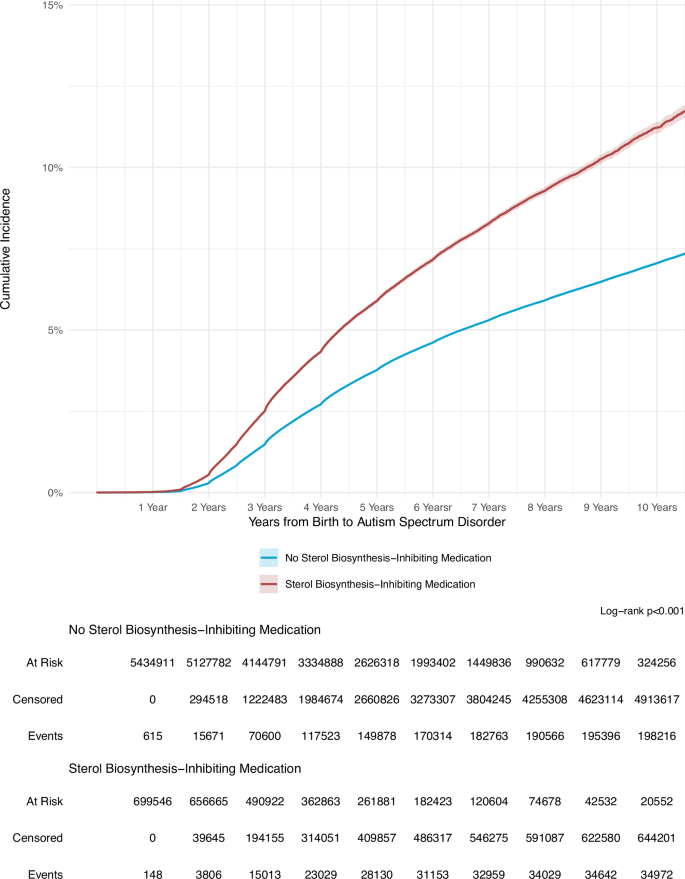
Study Links Antidepressants, Beta-blockers and Statins To Increased Autism Risk

An analysis of 6.14 million maternal-child health records  has linked prescription medications...

Pilot Study: Fibromyalgia Fatigue Improved By TENS Therapy

Fibromyalgia is the term for a poorly-understood condition where people experience pain and fatigue...

User picture.
News StaffRSS Feed of this column.

News Releases From All Over The World, Right To You... Read More »

Blogroll

A new class of materials has shown to be able to form dynamic, moving structures.

Researchers have demonstrated tiny spheres that synchronize their movements as they self-assemble into a spinning microtube. The researchers used tiny particles called Janus spheres, named after the Roman god with two faces, which have been previously demonstrated for self-assembly of static structures. In this study, one half of each sphere is coated with a magnetic metal. When dispersed in solution and exposed to a rotating magnetic field, each sphere spins in a gyroscopic motion. They spin at the same frequency but all face a different direction, like a group of dancers in a ballroom dancing to the same beat but performing their own steps.

 A new device called the Argus II has been implanted in over 50 patients, many of whom can now see color, movement and objects and researchers have even streamed braille patterns directly into a blind patient's retina, allowing him to read four-letter words accurately and quickly with the ocular neuroprosthetic device.

Argus II uses a small camera mounted on a pair of glasses, a portable processor to translate the signal from the camera into electrical stimulation and a microchip with electrodes implanted directly on the retina. 

Cardio3 BioSciences (C3BS) announced it has received authorization from the Belgian Federal Agency for Medicines and Health Products (FAMHP) to begin its Congestive Heart failure Cardiopoietic Regenerative Therapy (CHART-1) European Phase III trial for C3BS-CQR-1 in Belgium. This represents a world premiere for a regenerative medicine product targeting heart failure to be tested in the context of a Phase III trial. C3BS-CQR-1 is an autologous stem cell therapy for heart failure. 

It used to be a stereotype that being fat meant you had a happy personality.  Then culture went out of its way to vilify fat people and make them miserable - when they weren't vilifying culture or food companies for making people fat.

Now researchers claim new genetic evidence about why some people are happier than others - and it involves a gene implicated in obesity. The gene FTO, which is correlated to obesity by the 'being fat is exculpatory' segment of science, has now been similarly associated with an eight percent reduction in the risk of depression. In other words, it's not just an obesity gene but a "happy gene" as well, if your correlation and causation errors roll that way.

Elsevier has launched a new open access, online journal, Leukemia Research Reports. It will publish  a range of peer-reviewed short form papers, including brief communications, case reports, letters to the editors, images and debate articles about basic and/or applied clinical research in leukemias, lymphomas, multiple myeloma and other hematologic malignancies. 

The editors of Leukemia Research Reports are: Dr Suneel Mundle (Janssen Services LLC and Rush Medical College, Chicago, IL) and Dr Meir Wetzler (State University of New York at Buffalo School of Medicine and Roswell Park Cancer Center, Buffalo, NY).

The All Wales Strategic Medical Group (AWSMG) has approved Zebinix(R) (eslicarbazepine acetate) for the treatment of partial seizures in highly refractory patients who remain uncontrolled with, or are intolerant to, other anti-epileptic medicine combinations.

Eslicarbazepine acetate is licensed in Europe as an adjunctive therapy for adults with partial-onset seizures with or without secondary generalization.






