

Banner
Synchrotron Could Shed Light On Exotic Dark Photons

There are many hypothetical particles proposed to explain dark matter and one idea to explore how...

The Pain Scale Is Broken But This May Fix It

Chronic pain is reported by over 20 percent of the global population but there is no scientific...
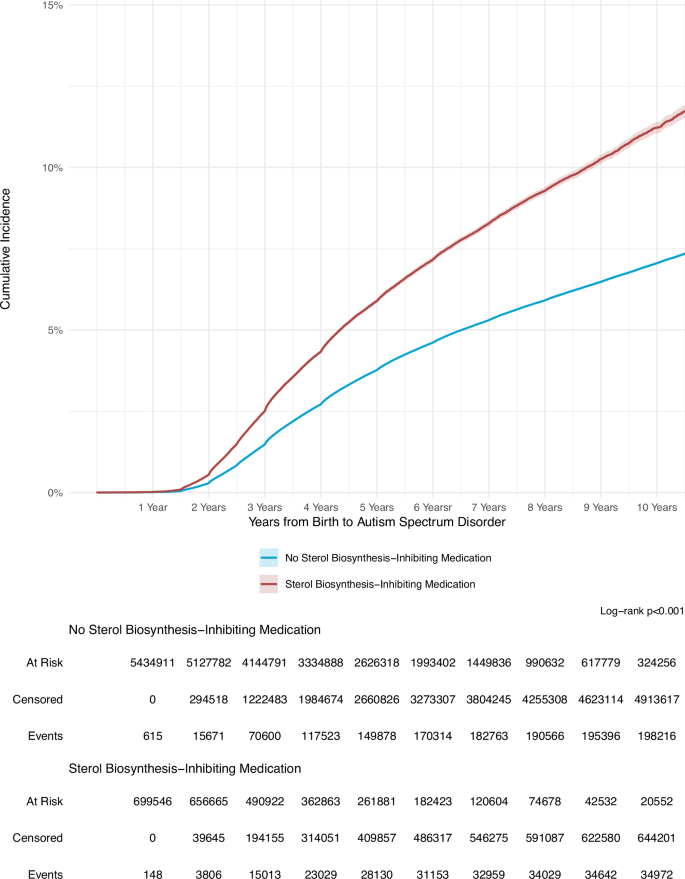
Study Links Antidepressants, Beta-blockers and Statins To Increased Autism Risk

An analysis of 6.14 million maternal-child health records  has linked prescription medications...

Pilot Study: Fibromyalgia Fatigue Improved By TENS Therapy

Fibromyalgia is the term for a poorly-understood condition where people experience pain and fatigue...

User picture.
News StaffRSS Feed of this column.

News Releases From All Over The World, Right To You... Read More »

Blogroll
There may be good news for the blood donation business; the shelf life of blood has perhaps gotten longer.

In a finding that runs counter to commonly held beliefs about fresh blood being better, a randomized clinical trial shows that acutely ill premature babies who received fresher blood did not fare better than those who received the current standard of care. There was no difference between the two approaches with respect to major organ injury, mortality and infection.
Five percent of men are affected by infertility and some new insights into sperms' swimming skills could shed light on why.

In a new study, researchers have shown how a protein called RABL2 affects the length of sperm tails, crippling their motility (or swimming ability), and decreases sperm production. In laboratory tests, the team found that a mutation in RABL2 resulted in sperm tails that were 17 per cent shorter than normal. Dysfunctioning RABL2 also negatively affected sperm production, resulting in a 50 per cent decrease. 
A neuroprotectant drug has been shown to protect the human brain against the damaging effects of stroke. The clinical trial was a randomized, double blind, multi-center trial that was conducted in Canada and the USA. The study evaluated the effectiveness of NA-1 (Tat-NR2B9c) when it was administered after the onset of small strokes that are incurred by patients who undergo neurointerventional procedures to repair brain aneurysms. This type of small ischemic stroke occurs in over 90% of aneurysm patients after such a procedure, but usually does not cause overt neurological disability. 

New data shared today with Europe's epilepsy community at the 10th European Congress on Epileptology (ECE) in London, demonstrated the efficacy of Fycompa(R) (perampanel) in reducing partial-onset seizures, the most common form of epilepsy, and its effectiveness and flexibility of use as add-on therapy. 

The successful treatment of partial-onset seizures (the most common form of epilepsy) remains a significant challenge in some patients and the incidence of uncontrolled partial epilepsy remains high, despite many existing anti-epileptic drugs (AEDs); between 20 - 40% of patients with epilepsy have remained poorly controlled despite these treatments.[1] The new data supports the use of perampanel as a new therapeutic option for this hard-to-treat patient population.

For some appliances, newer is not always better.  If you have an old dryer, you are better off not replacing it with an EnergyStar, more efficient model.  Unless you want to wait forever to dry your clothes, whereas newer refrigerators work better but people hold on to old ones just the same.

 Around 1 in 4 Brits admit that they have at least one household appliance that is still in regular use in their home that is more than 25 years old. Many of the people surveyed said they had held on to the appliance to get as much value for their money as possible but some say it was handed down to them by a relative and therefore it has sentimental value. 

Women may own the social sciences and education but they are under-represented in more math-intensive fields, according to a paper which looks at the US, EU, Brazil, South Africa, India, Korea and Indonesia. It was conducted by advocates of international gender issues from Women in Global Science&Technology and the Organization for Women in Science for the Developing World and it was funded by the Elsevier Foundation.

They make special note that the EU and US are low in female representation in hard science fields - but so is everyone else.







