Emotions tag our experiences and act as waypoints in how we steer our behavior, but they seem to be subjective. Avoiding danger and pursuing rewards is essential for successful navigation through a complex environment, and thus for survival, but why are some people afraid of harmless spiders yet most are not afraid of incredibly dangerous horses?
The search for the neural correlate of emotions fascinates neuroscientists and psychologists – emotions are a central part of our mental selves.
Did Sen. Barack Obama buy the election of 2008, given that he bypassed public financing and so was able to raise and spend twice as much money as Sen. John McCain? In 2012, the concern is the high spending by PACs but the playing field is level, both campaigns can raise and spend as much as possible this election and they will; each candidate this year will spend as much as the entire 2004 election, the last time both candidates held themselves to public financing limits.
Is your decision-making suspect? Do you continually date strippers or bad boys who are 'getting their band together' and wish you could instead replace your own judgment with a prosthesis?
Maybe one day. Researchers at Wake Forest Baptist Medical Center have created a prosthetic device which is capable of restoring decision-making due to reduced capacity due from brain disease or injury - in non-human primates, anyway.
Variation in facial shape is an easy way to explain phenotypes in humans to people who don't understand biology all that well. Monozygotic twins have almost identical faces and siblings usually have more similar faces than unrelated people, implying our facial morphology is under genetic regulation - but still little has been known about the genetic basis of normal human facial morphology.
Here is a diet plan that requires no special meal purchases or even exercise, it just requires a willingness to believe that correlation-causation arrows fly backwards. People, especially women, who read food labels are thinner.
The results of surveys on the relationship between reading food labels and obesity indicated that the body mass index of those consumers who read the label is 1.49 points lower than those who don't read food labels when shopping for food. This translates as a reduction of almost 9 lbs. for an American woman 5 feet 3 inches tall weighing 163 lbs - already obese.
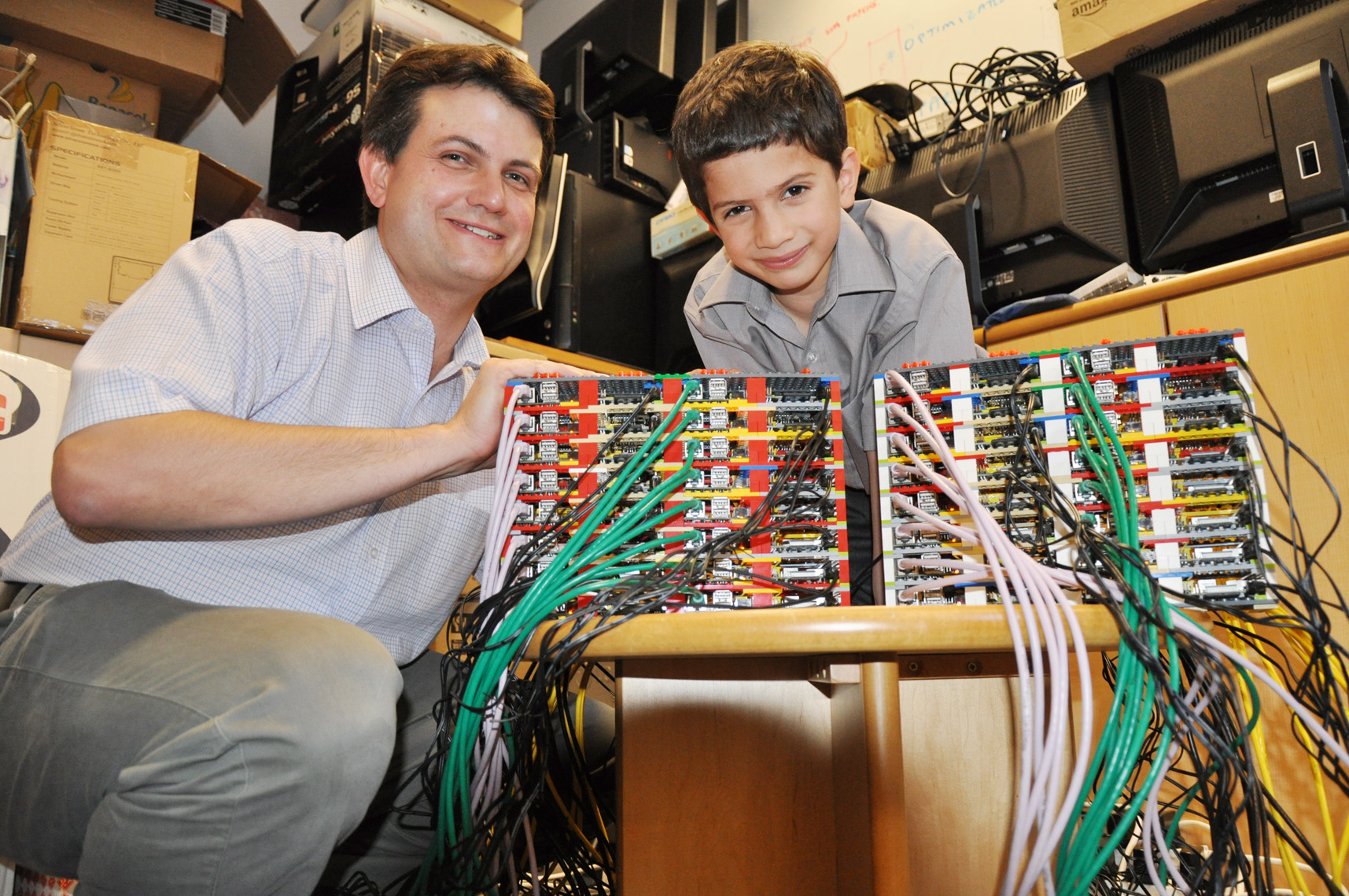
How cheaply can you build a supercomputer? A group from the University of Southampton just made one using 64 Raspberry Pi ARM GNU/Linux boxes ($25 each) and Lego blocks. The machine, named "Iridis-Pi" after the University's Iridis supercomputer, runs off a single 13 Amp mains socket and uses MPI (Message Passing Interface) to communicate between nodes using Ethernet.
The team was led by Professor Simon Cox and included Richard Boardman, Andy Everett, Steven Johnston, Gereon Kaiping, Neil O'Brien, Mark Scott and Oz Parchment. Professor Cox's son, six-year-old James Cox, assisted with specialist support on Lego and system testing.


 Synchrotron Could Shed Light On Exotic Dark Photons
 The Pain Scale Is Broken But This May Fix It
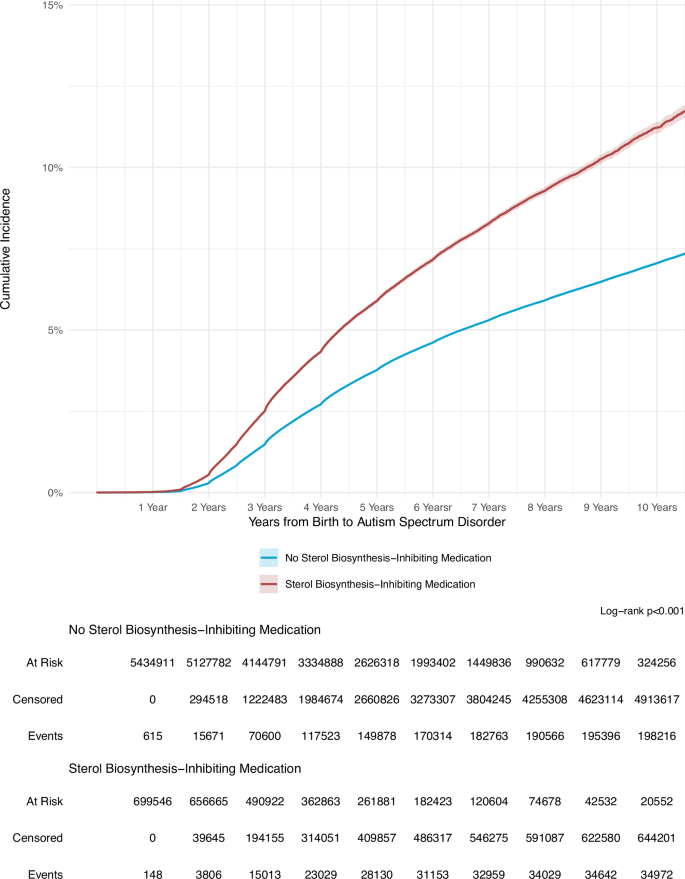 Study Links Antidepressants, Beta-blockers and Statins To Increased Autism Risk
 Pilot Study: Fibromyalgia Fatigue Improved By TENS Therapy