Banner
Synchrotron Could Shed Light On Exotic Dark Photons

There are many hypothetical particles proposed to explain dark matter and one idea to explore how...

The Pain Scale Is Broken But This May Fix It

Chronic pain is reported by over 20 percent of the global population but there is no scientific...
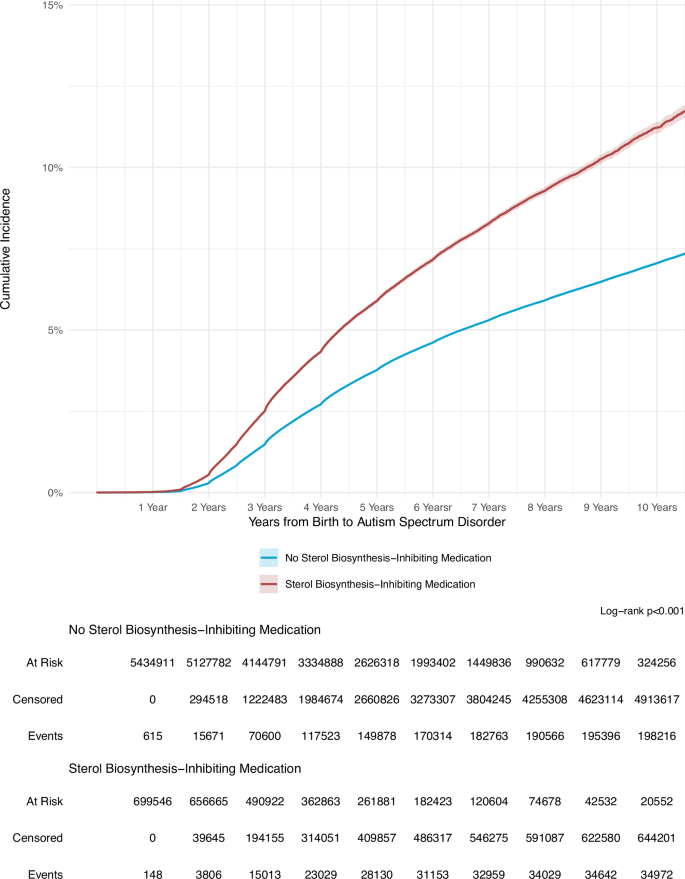
Study Links Antidepressants, Beta-blockers and Statins To Increased Autism Risk

An analysis of 6.14 million maternal-child health records  has linked prescription medications...

Pilot Study: Fibromyalgia Fatigue Improved By TENS Therapy

Fibromyalgia is the term for a poorly-understood condition where people experience pain and fatigue...

User picture.
News StaffRSS Feed of this column.

News Releases From All Over The World, Right To You... Read More »

Blogroll
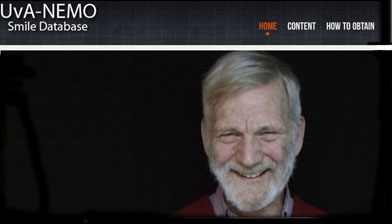
What exactly happens to your face when you smile spontaneously, and how does that affect how old you look? Computer scientists from the University of Amsterdam's Faculty of Science recorded the smiles of hundreds of visitors to the NEMO science centre in Amsterdam, creating the most comprehensive smile database ever.

The computer scientists behind the project say that you look younger when you smile - if you are over forty. If you are under forty, you should look neutral if you want to come across younger. And be cold and distant and act a little broken inside if you want to date a stripper.
A  giant human sculpture has been unearthed at the Tayinat Archaeological Project excavation site in southeastern Turkey.

The head and torso of the human figure is intact to just above its waist and stands approximately 5 feet tall, so it likely had a total body length of 10 to 12 feet. The figure's face is bearded, with beautifully preserved inlaid eyes made of white and black stone, and its hair has been coiffed in an elaborate series of curls aligned in linear rows. Both arms are extended forward from the elbow, each with two arm bracelets decorated with lion heads. The figure's right hand holds a spear, and in its left is a shaft of wheat. A crescent-shaped pectoral adorns its chest.
Livestock is an essential part of the human diet and farm productivity is dependent on animals being healthy, which depends on adequate nutrition. Existing evidence shows that livestock feed can be improved by the use of feed additives which improve diet and health but also increase milk yields, suppress the oestrus (female reproductive) cycle or improve digestion in livestock. When properly used in a well-managed environment, many of these additives can substantially improve performance and farm profitability.
Having cancer takes a toll on the body but the emotional strains are considerable. The stresses of undergoing treatment, along with the impact it has on relationships with family and friends, can be overwhelming and it's common for people with cancer to need help learning how to cope with the many emotions that emerge after receiving a diagnosis. 

When someone is in the middle of a grueling treatment regimen and still trying to mentally process the fact that they have cancer, it can be hard to feel as if anyone understands what they are going through. Toward that, the National Cancer Institute has created easy-to-understand information about ways to cope with cancer.

Here are some web-based "Coping with Cancer" resources that may be of interest:

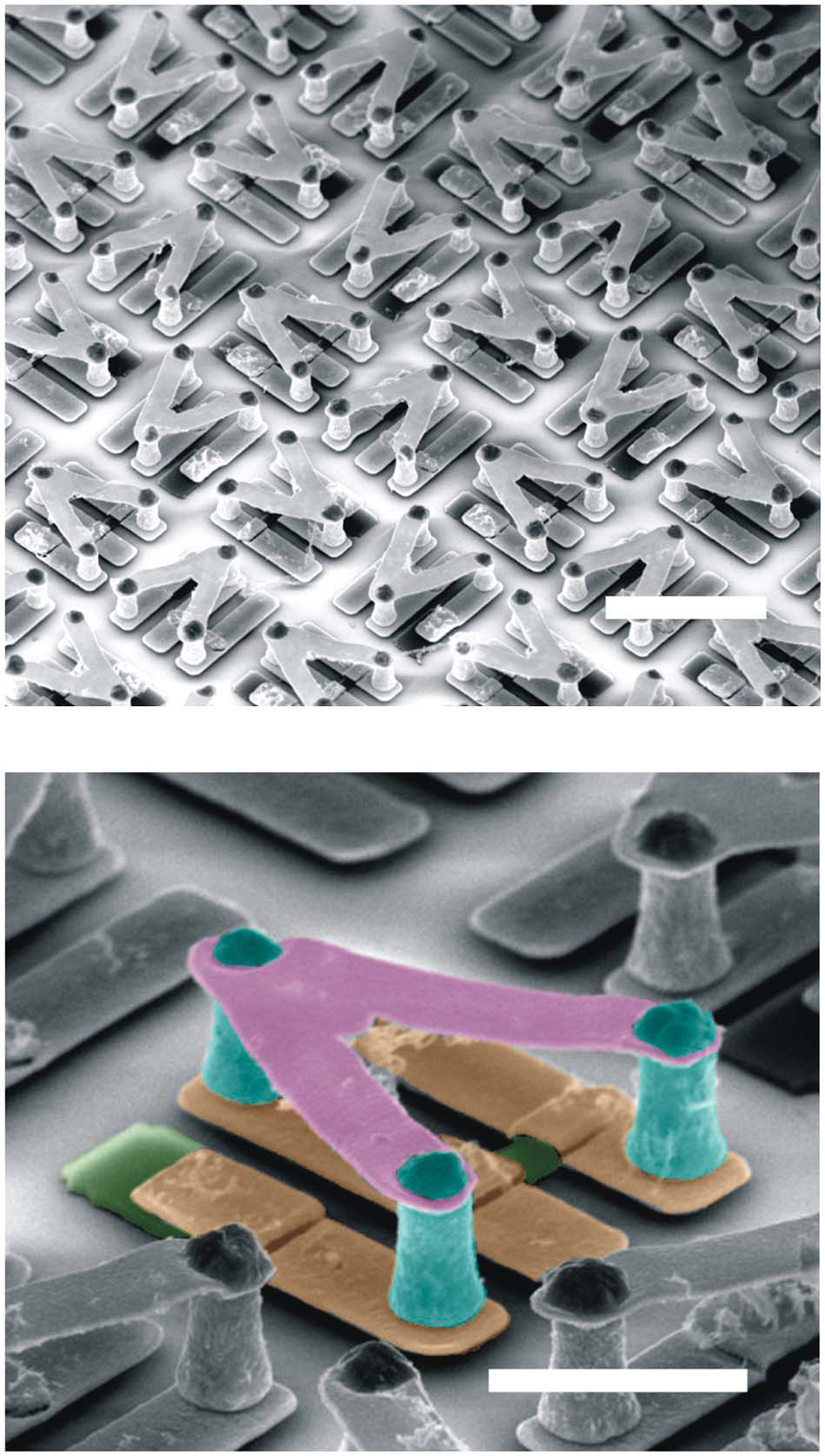
Researchers have created the first artificial molecules whose chirality can be rapidly switched from a right-handed to a left-handed orientation with a beam of light. 

Chirality is the distinct left/right orientation or “handedness” of some types of molecules, meaning the molecule can take one of two mirror image forms. The right-handed and left-handed forms of such molecule are called “enantiomers” and can exhibit strikingly different properties. One enantiomer of the chiral molecule limonene smells of lemon, the other smells of orange. The ability to observe or even switch the chirality of molecules using terahertz (trillion-cycles-per-second) electromagnetic radiation is a much coveted asset in the world of high technology.
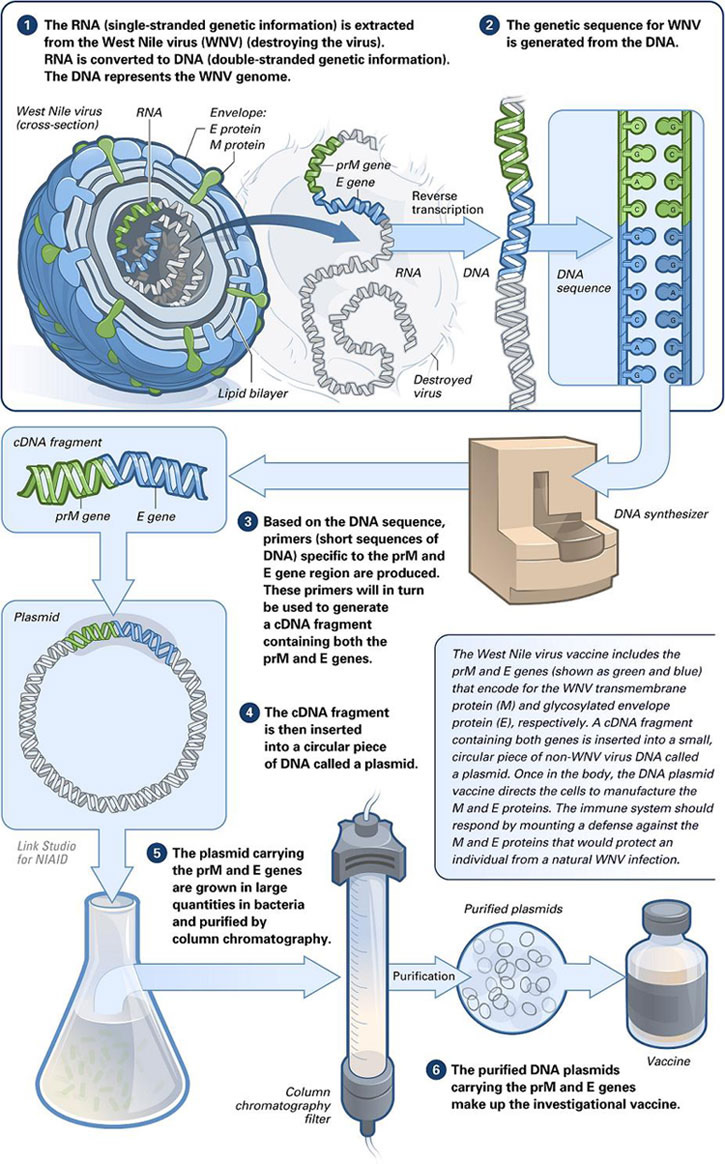
Right now, we protect people and animals against diseases by inoculating them with vaccines based on real infectious agents - but that brings risk of reinfection and the expense of cultivating and handling deadly viruses and bacteria.

The future may mean DNA vaccines, basically cutting out the biological middleman.