Sulfur has been portrayed as a secondary factor in regulating atmospheric oxygen - carbon gets all the press - but new findings suggest that sulfur’s role may have been underestimated.
As sulfur cycles through the land, the atmosphere and the oceans, it undergoes chemical changes that are often coupled to changes in other such elements as carbon and oxygen. This affects the concentration of free oxygen.
Methicillin-resistant Staphylococcus aureus (MRSA) infections doubled at U.S. academic medical centers between 2003 and 2008, according to a new report published in Infection Control and Hospital Epidemiology.
MRSA infections, which cannot be treated with antibiotics related to penicillin, have become common since the late 1990s. These infections can affect any part of the body, including the skin, blood stream, joints, bones, and lungs. The findings run counter to a recent CDC study that found MRSA cases in hospitals were declining. The CDC study looked only at cases of invasive MRSA—infections found in the blood, spinal fluid, or deep tissue. It excluded infections of the skin, which the new study includes.
The horns of creatures as different as elk and rhinoceros beetles - along with other decorative, mate-attracting structures - are sensitive to changes in nutrition. They aren’t diabetic, but they are insulin-dependent; if they want to grow big horns and therefore attract mates.
Is there a 'biological clock' that women recognize innately, and act on accordingly? New research casts some doubt on that.
Parkinson’s disease is the second most common neurodegenerative disease after Alzheimer’s disease.
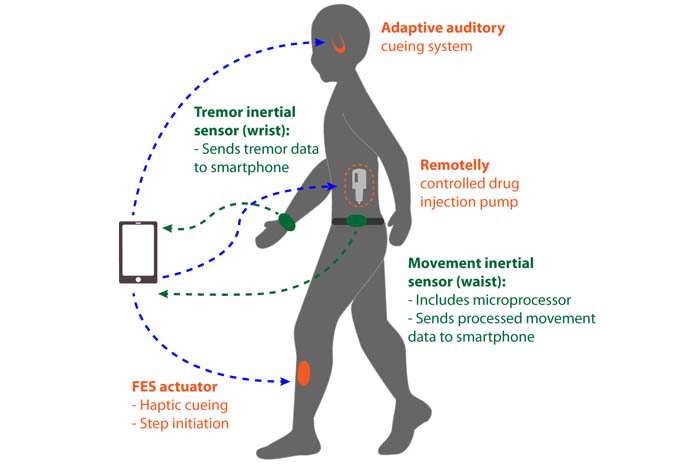
Now patients are getting some high-tech help. REMPARK (Personal Health Device for the Remote and Autonomous Management of Parkinson’s Disease) is a wearable monitoring and actuation system that identifies the motor status of Parkinson’s patients in real time. The system will also determine what phase a patient is in while walking or performing everyday activities and provide a cue to initiate movement when a gait-freezing episode occurs.
Researchers have developed a new method of repairing bone using a synthetic bone graft substitute material. Combined with gene therapy, they say it can mimic real bone tissue and has potential to regenerate bone in patients who have lost large areas of bone from disease or trauma.
The researchers have developed a scaffold material made from collagen and nano-sized particles of hydroxyapatite which acts as a frame for the body’s own cells and repairs bone in the damaged area using gene therapy. The cells are tricked into overproducing bone producing BMPs (proteins), encouraging regrowth of healthy bone tissue.


 Synchrotron Could Shed Light On Exotic Dark Photons
 The Pain Scale Is Broken But This May Fix It
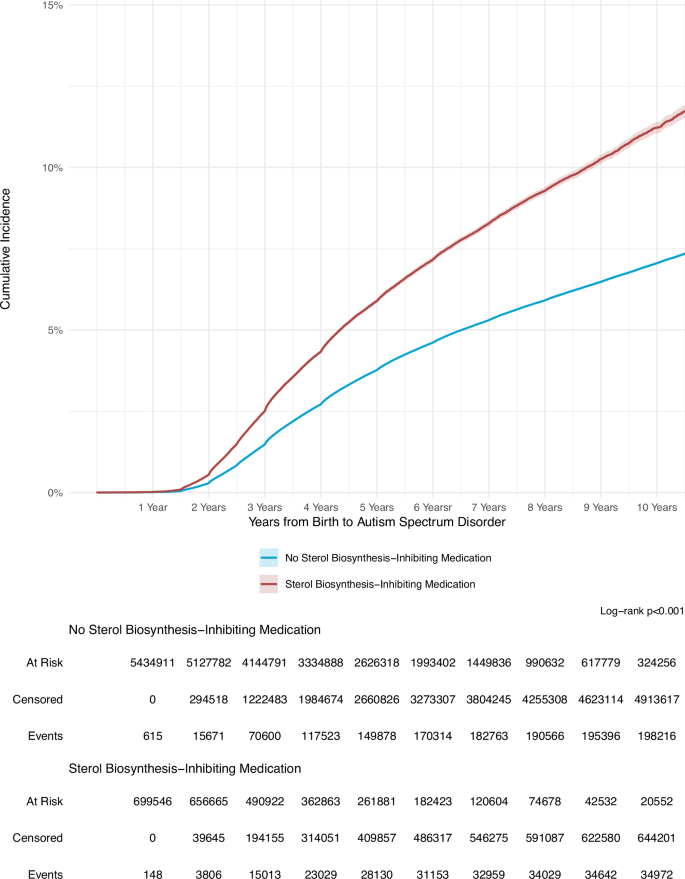 Study Links Antidepressants, Beta-blockers and Statins To Increased Autism Risk
 Pilot Study: Fibromyalgia Fatigue Improved By TENS Therapy




 mitosis explains increasing oocyte depth with age.png "Oocytes: Maybe That Biological Clock No Longer Ticks")