For not being a planet, according to 2 percent of astronomers, Pluto sure has a lot of moons.
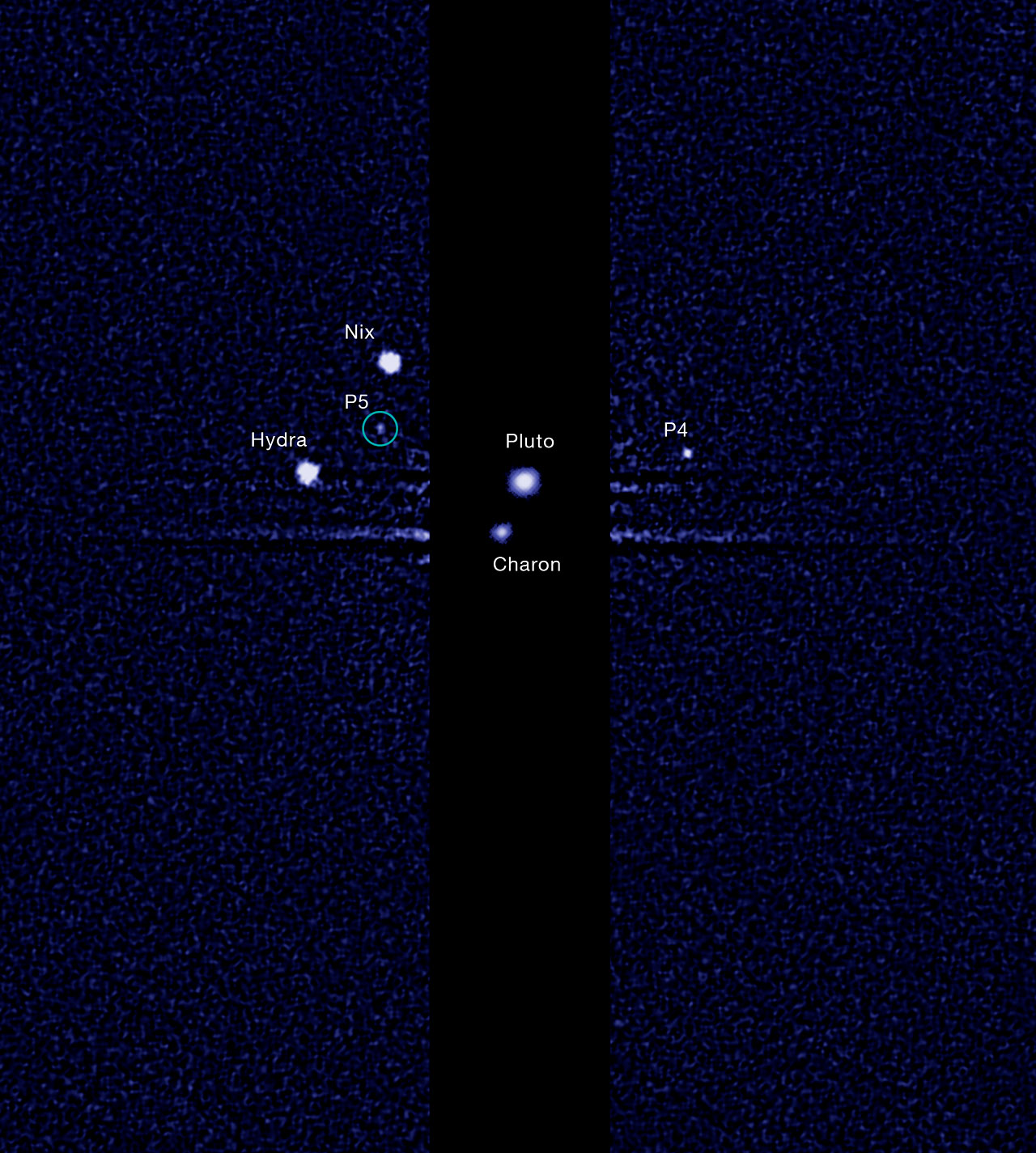
Now it has one more, joining Charon, which was discovered in 1978, Nix and Hydra, discovered in 2006, and P4, found in 2011.
Pluto’s new-found moon, provisionally designated S/2012 (134340) 1, or P5, is tiny and only visible as a speck of light in Hubble images, so it is estimated to be irregular in shape and between 10 and 25 kilometers across. It is in a 95,000 kilometer-diameter circular orbit and assumed to lie in the same plane as Pluto’s other known moons.
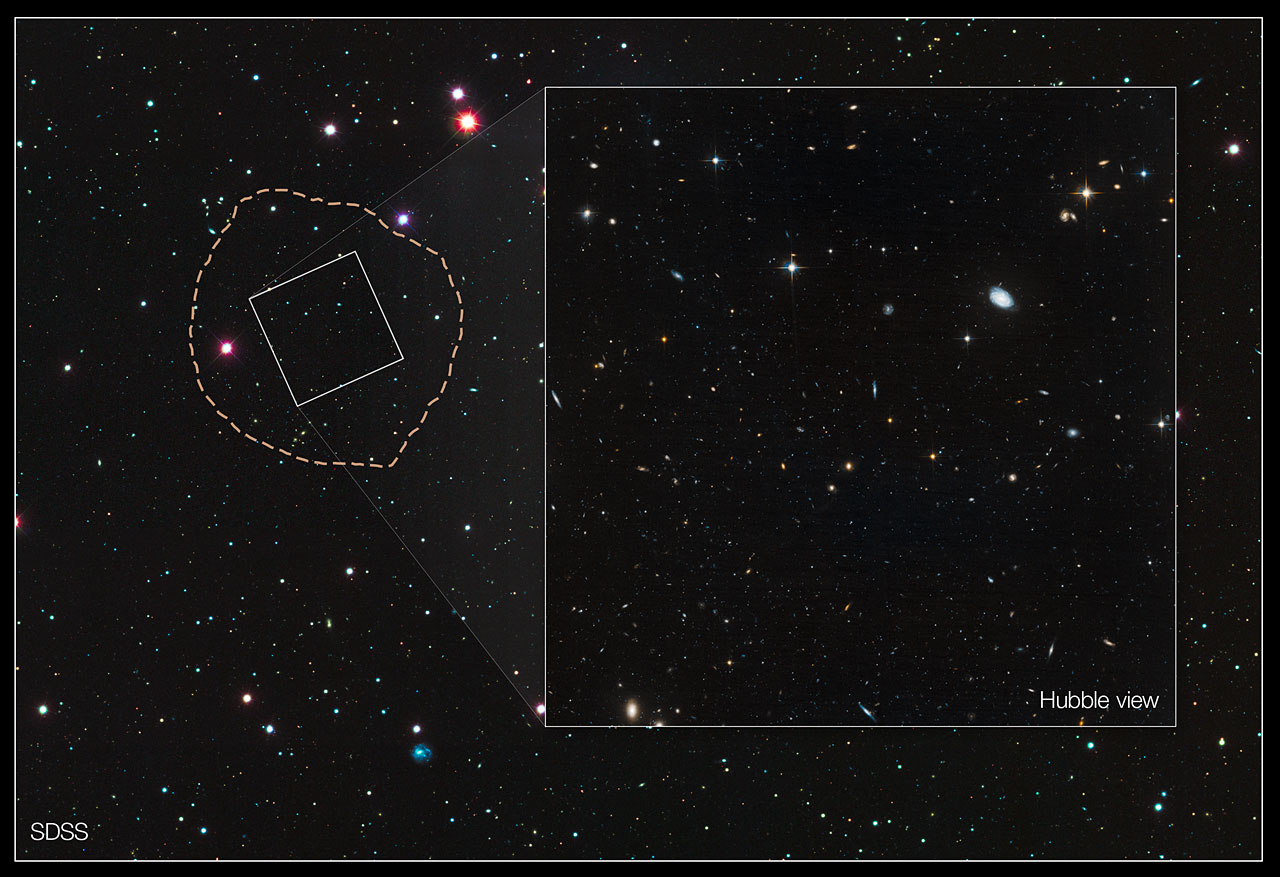
Dark galaxies, theorized but unobserved, may have been spotted.
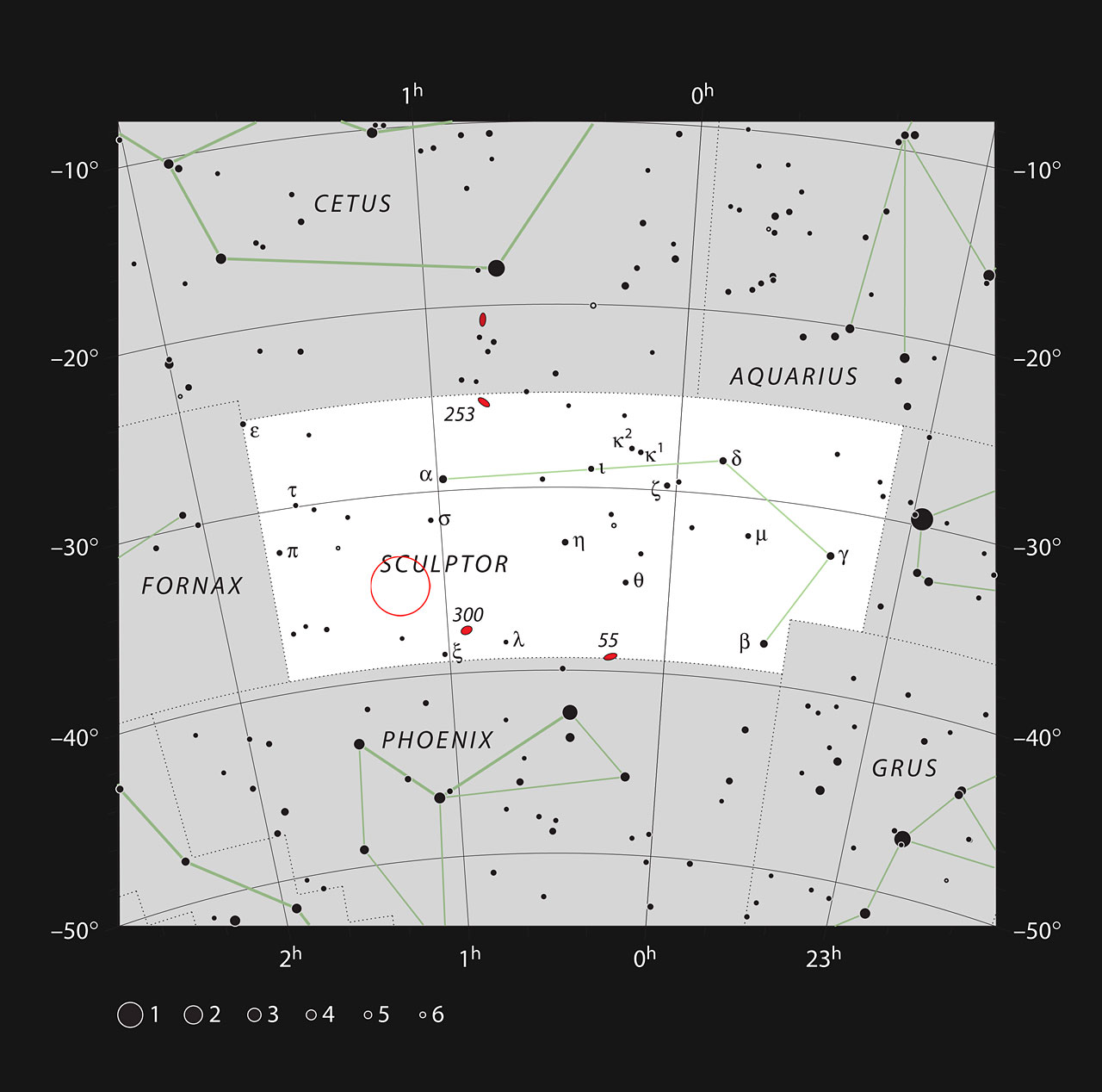
Dark galaxies are essentially gas-rich galaxies in the early Universe that are very inefficient at forming stars and astronomers think they have detected these elusive objects by observing them glowing as they are illuminated by a quasar. They are predicted by theories of galaxy formation and are thought to be the building blocks of today’s bright, star-filled galaxies. They may have fed large galaxies with much of the gas that later formed into the stars that exist today.
Why do some extremely faint galaxies in our backyard contain so few stars? An international team of astronomers has helped solve the mystery of why these galaxies are starved of stars - and why so few of them have been found.
Hercules, Leo IV and Ursa Major dwarf galaxies all started forming stars more than 13 billion years ago - and then abruptly stopped shortly after the Big Bang.The extreme age of their stars is similar to Messier 92, the oldest known globular cluster in the Milky Way.
Over the last half century, it has been established that fish and migratory birds use the planet's magnetic field to help find their way, an interesting zoological mystery. Researchers have now identified cells with internal compass needles for the perception of the field, and that can explain why high-tension cables perturb their magnetic orientation.
Although many animal species can sense the geomagnetic field and exploit it for spatial orientation, efforts to pinpoint the cells that detect the field and convert the information into nerve impulses had not been successful.
A novel anticancer drug is designed to travel, undetected by normal cells, through the bloodstream until it becomes activated by specific cancer proteins. It's basically a sleeper cell for tumors.
The drug, called G202, is chemically derived from a common Mediterranean weed called Thapsia garganica, and has been shown to destroy cancers and their direct blood supplies, acting like a 'molecular grenade' but sparing healthy blood vessels and tissues.


 Synchrotron Could Shed Light On Exotic Dark Photons
 The Pain Scale Is Broken But This May Fix It
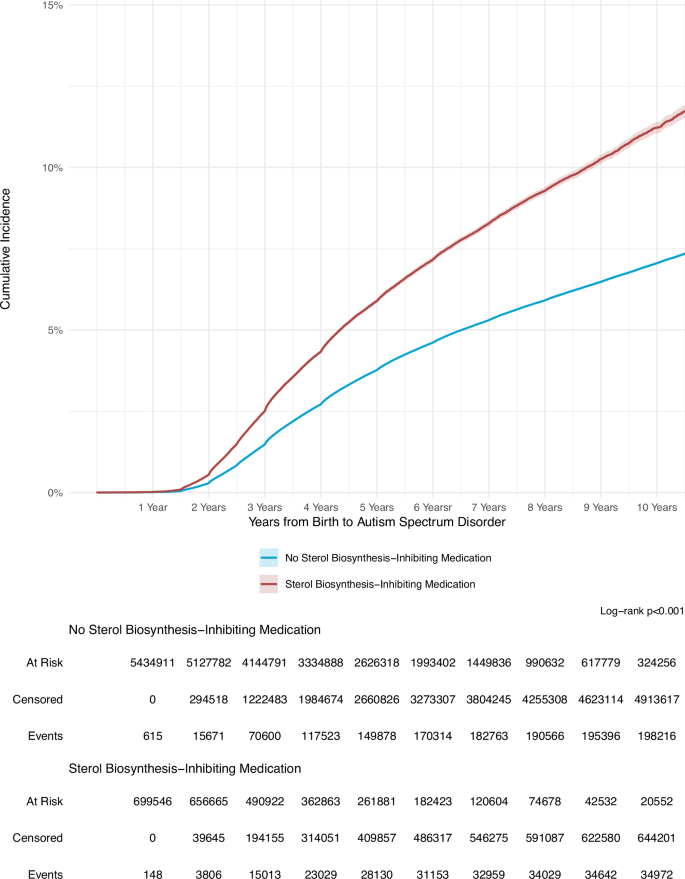 Study Links Antidepressants, Beta-blockers and Statins To Increased Autism Risk
 Pilot Study: Fibromyalgia Fatigue Improved By TENS Therapy