Dark matter and dark energy is thought to account for up to 80% of the matter in the universe. Does it exist? Well, it has to, we just can't see it. So what is it? We better know what it isn't.
Living in the guts of worms are seemingly innocuous Photorhabdus luminescens bacteria that contribute to the worms' survival. Yet with a flip of a genetic switch, those same bacteria transform from harmless microbes into deadly insecticides.
How the photorhabdus bacteria and a single promoter inversion switches it from an upstanding community member in the gut microbiome to deadly killer in insect blood is the subject of a new study. The bacteria in question are bioluminescent insect pathogens. In their mutualistic state, they reside in the intestines of worms, growing slowly and performing other functions that aid nematode's survival, even contributing to reproduction.
Aerosols from relatively small volcanic eruptions can be boosted into the high atmosphere by weather systems such as monsoons and affect global temperatures, according to a new study.
Researchers have been able to photograph the shadow of a single atom for the first time.
And this absorption imaging took five years of work. They basically wanted to investigate how few atoms are required to cast a shadow and they found it takes just one. At the heart of the effort is a super high-resolution microscope, which makes the atom's shadow dark enough to see.
People still use optical microscopes in research? Apparently so. And the Griffith University team claims no other facility in the world has the capability for such extreme optical imaging. They did it by isolating it in a chamber and immobilizing it in free space using electrical forces.
The long and complicated journey to detect the Higgs boson might finally have reached its goal, said experimental physicists at the European Laboratory for Particle Physics, CERN, near Geneva - and they said it with a telltale bump on a slide.
The Higgs boson is the final building block that has been missing from the "Standard Model," which describes the structure of matter in the universe. The Higgs boson combines two forces of nature and shows that they are, in fact, different aspects of a more fundamental force. The particle is also responsible for the existence of mass in the elementary particles.


 Synchrotron Could Shed Light On Exotic Dark Photons
 The Pain Scale Is Broken But This May Fix It
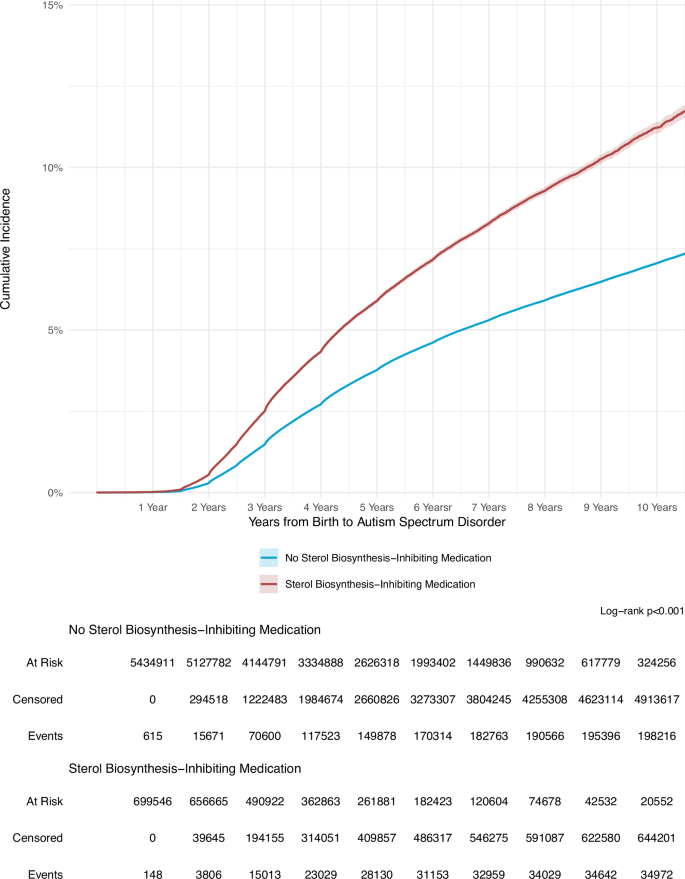 Study Links Antidepressants, Beta-blockers and Statins To Increased Autism Risk
 Pilot Study: Fibromyalgia Fatigue Improved By TENS Therapy