Banner
Synchrotron Could Shed Light On Exotic Dark Photons

There are many hypothetical particles proposed to explain dark matter and one idea to explore how...

The Pain Scale Is Broken But This May Fix It

Chronic pain is reported by over 20 percent of the global population but there is no scientific...
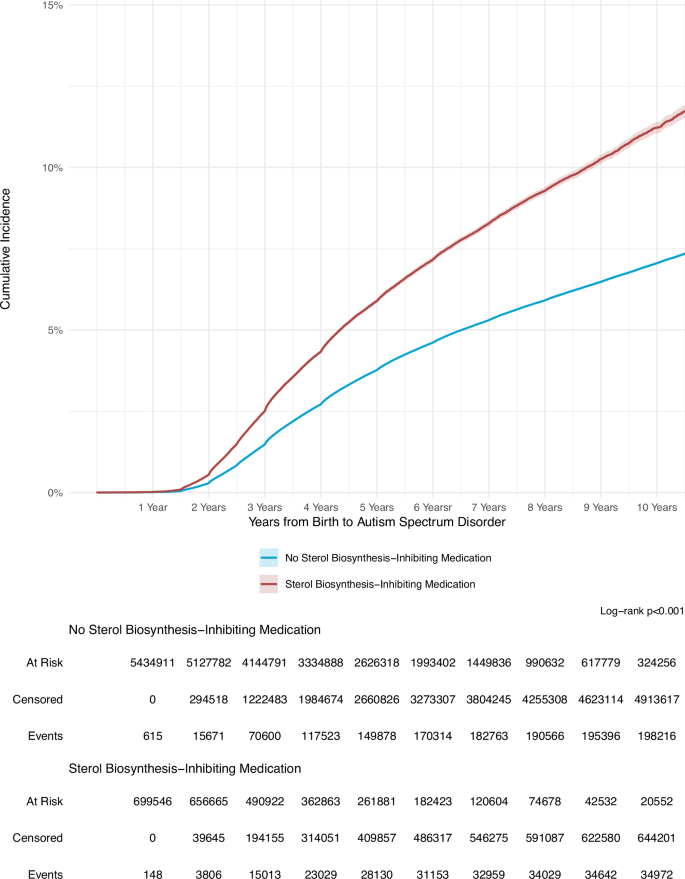
Study Links Antidepressants, Beta-blockers and Statins To Increased Autism Risk

An analysis of 6.14 million maternal-child health records  has linked prescription medications...

Pilot Study: Fibromyalgia Fatigue Improved By TENS Therapy

Fibromyalgia is the term for a poorly-understood condition where people experience pain and fatigue...

User picture.
News StaffRSS Feed of this column.

News Releases From All Over The World, Right To You... Read More »

Blogroll
The anterior insular cortex is a small region of the brain, but it plays a big role in human self-awareness and in neuropsychiatric disorders. A unique cell type, the von Economo neuron (VEN), is located there.  For a long time, the VEN was assumed to be unique to humans, great apes, whales and elephants.

But scientists have recently discovered these brain cells in monkeys. Bring on the self-awareness and empathy?  Not just yet.
Researchers writing in PNAS state they have seen an increased reaction to stress in animals whose ancestors were exposed to an environmental compound, vinclozolin, a popular fruit and vegetable fungicide, even generations earlier.

The findings put a new twist on the notions of nature and nurture and may have implications for how certain behavioral tendencies might be inherited.  They exposed gestating female rats to vinclozolin and then put the rats' third generation of offspring through a variety of behavioral tests and found the descendant rats were more anxious, more sensitive to stress, and had greater activity in stress-related regions of the brain than descendants of unexposed rats.

A team of Australian scientists has identified new genes that show identifiable changes in the blood of people with bowel cancer.

The discovery has the potential to underpin a new cost-effective blood test that would signal the early stages of bowel cancer. This test could potentially save thousands of lives by supplementing existing screening programs and encouraging those at risk to have a colonoscopy.

The research presented today is the result of over five years of scientific collaboration between Australian biotechnology company Clinical Genomics, CSIRO and the Flinders Centre for Innovation in Cancer at Flinders University in Adelaide, lead by senior investigator Professor Graeme Young.

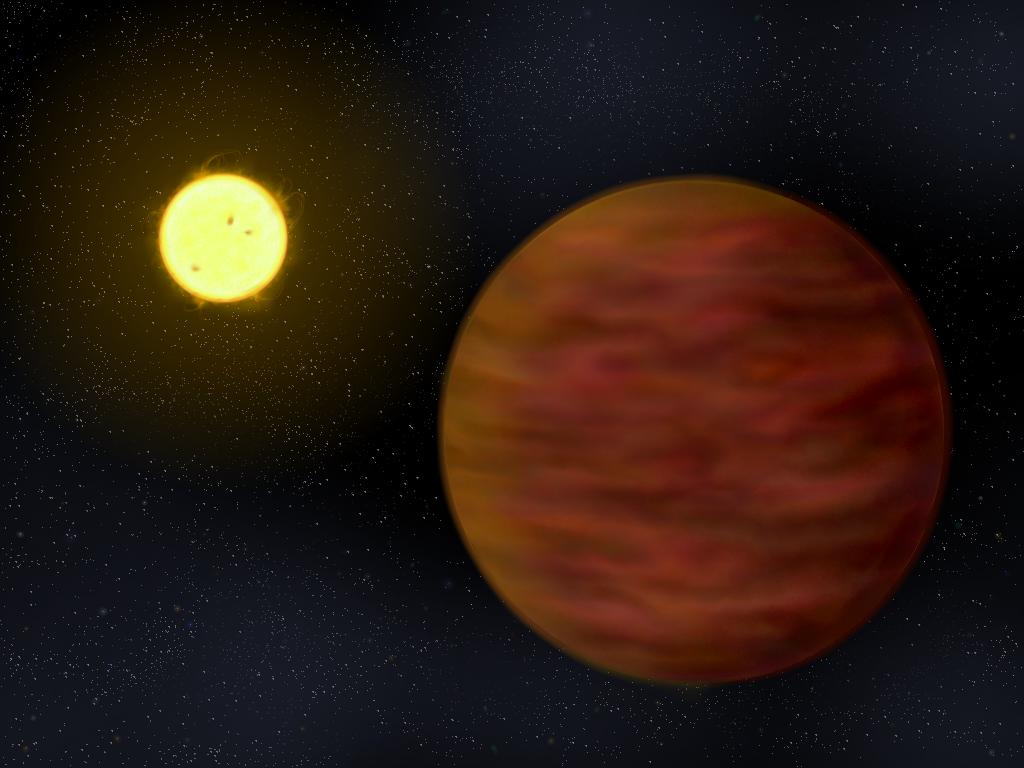
Giant planets have diverse chemistry; Jupiter, for example, first formed as a large solid core and then then accreted gas from the disk around it, which led to a different chemistry in its outer layers. When the Galileo spacecraft entered Jupiter’s atmosphere in 1995, it found the proportion of heavier elements (astronomers call these ‘metals’) to be three times higher than in the Sun.

Brown dwarfs, around the same size, are instead star-like objects with insufficient mass to ignite hydrogen fusion in their cores. Over time they cool to temperatures of just a few hundred degrees. Like stars, they formed from the collapse of a giant molecular cloud a few hundred light years across.
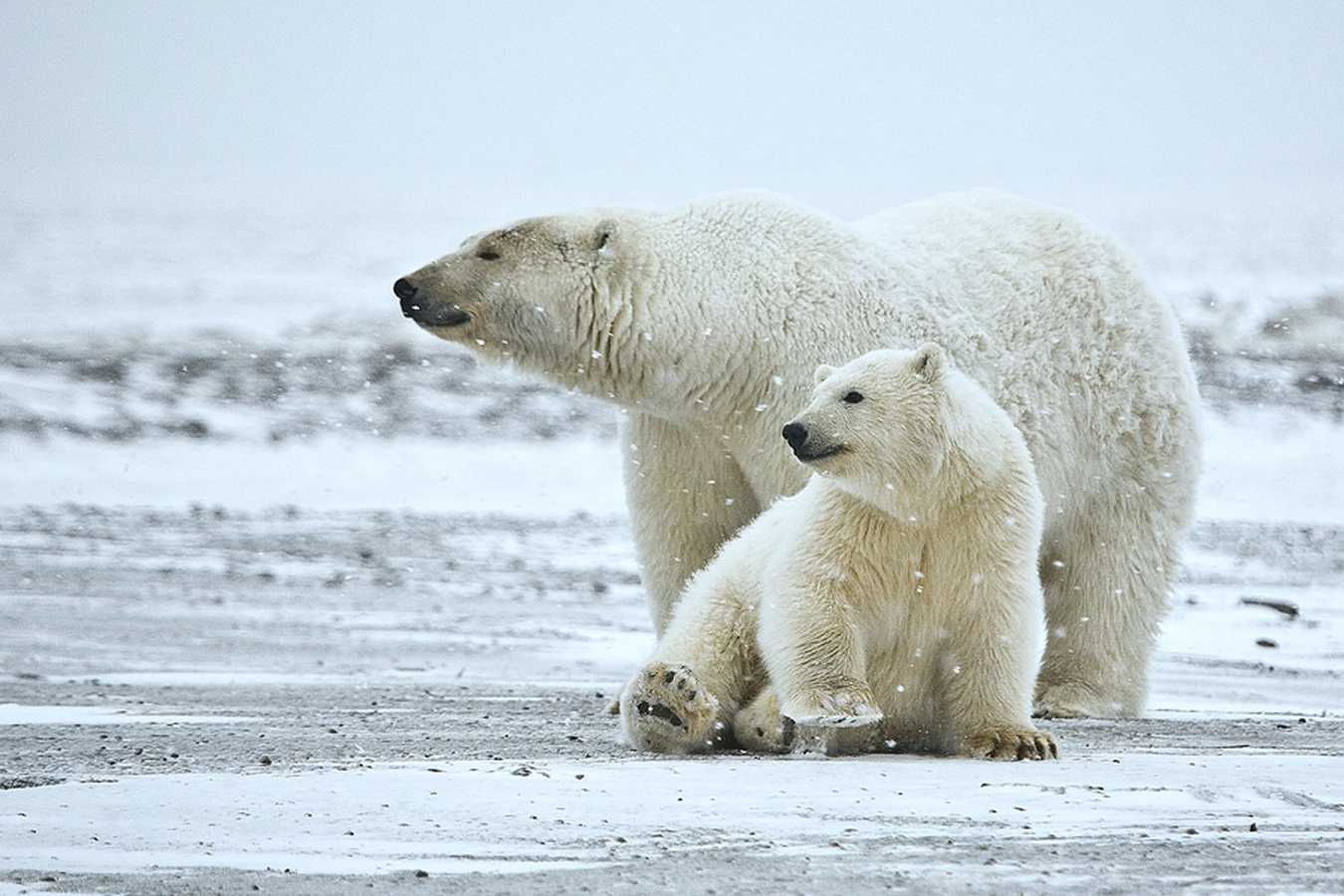
Polar bears are evolutionarily older and genetically more distinct than believed. This largest Arctic carnivore evolved as early as 600,000 years ago, five times older than previously recognized. 
What do diamonds and chocolate have in common?  Well, urban legend says girls love them both.  Maybe we can add volcanoes if we are using correlational woo.

A previously unrecognized volcanic process similar to one used in chocolate manufacturing is important in the dynamics of volcanic eruptions. 'Fluidised spray granulation'  is a type of gas injection and spraying process used to form smooth coatings on confectionaries but it can also occur during kimberlite eruptions to produce well-rounded particles containing fragments from the Earth's mantle - most notably diamonds.