Giant flea-like animals, possibly the oldest of their type ever discovered, bit creatures much larger than they are 165 million years ago - and lived to talk about it.
These flea-like animals, were similar to modern fleas but 10 times the size of a flea you might find crawling on your family dog – with a proboscis and an extra-painful bite to match. Dinosaurs were likely not amused.
A new imaging study shows the brains of embryonic chicks can 'wake' long before chicks are ready to hatch out of their eggs - but it took loud, meaningful sounds. Playing meaningless sounds wasn't enough to rouse their brains.
As modern medicine continues to push back the gestational age at which prematurely born infants can reliably survive, pediatricians have worried about the effects of stimulating brains that are still 'under construction'. It turns out that,like adult brains, embryo brains also have neural circuitry that monitors the environment to selectively wake the brain up during important events.
Our solar system is believed to be around 4.5 billion years old, but it's difficult to know how long it actually took to form.
The reason is, basically, our 'clocks'.
Establishing chronologies of past events or determining ages of objects require having clocks that 'tick' at different paces - nuclear clocks used for dating are based on the rate of decay of an atomic nucleus expressed by a half-life, which is the time it takes for half of a number of nuclei to decay, a property of each nuclear species. Radiocarbon dating is the most famous. It was invented in Chicago in the late 1940s and can date artifacts back to prehistoric times because the half-life of radiocarbon (carbon-14) is a few thousand years.
If a species´ reproductive strategy is evolutionarily adapted to the environmental constraints encountered by that species in its natural habitat, such as availability of food resources and predictability of the environment, and the aim generally is to produce the largest possible number of surviving offspring under particular conditions, then common dormice are defying that just a little.
In western countries there are 20 times more people aged 65 years andr older than one hundred years ago. With those demographic changes have come changes in brain research. Understanding the mechanisms responsible for aging-related changes in cognitive processes, including spatial orientation, has become especially important for people’s everyday lives.
While cold fusion remains a pipe dream, fusion as an energy source for the future continues to be funded and improved.
In nuclear fission, current nuclear energy, the nucleus of an atom is split, but in fusion two lightweight atoms join together. The biggest benefit is no explosion.
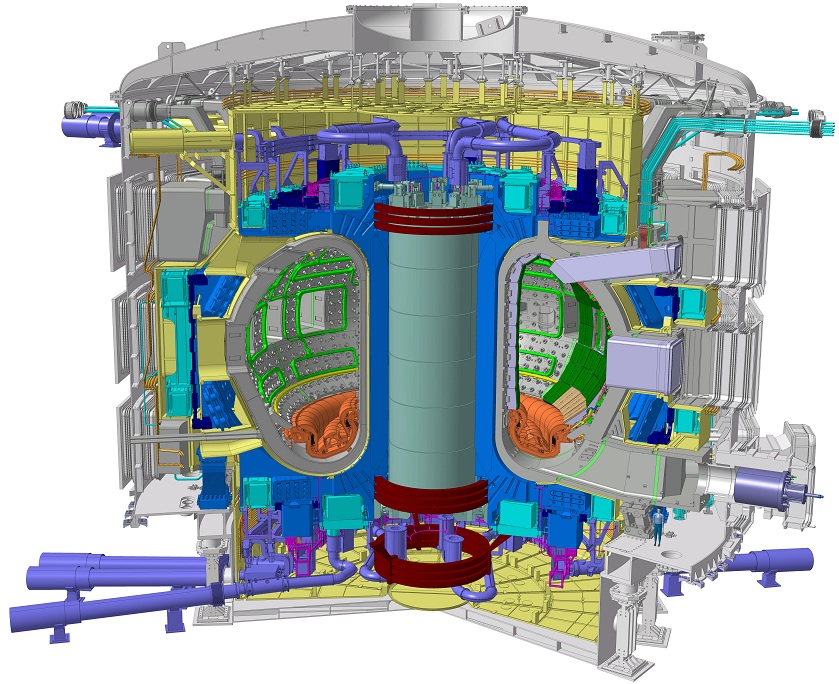
The ITER project is seeking to turn nuclear fusion into reality and is making use of the Tokamak reactor for this purpose. Reactors of this type and the plasma used in them to carry out fusion have a number of control problems, and to solve them, electronics engineer Goretti Sevillano has come up with some tools in her thesis defended at the University of the Basque Country.


 Synchrotron Could Shed Light On Exotic Dark Photons
 The Pain Scale Is Broken But This May Fix It
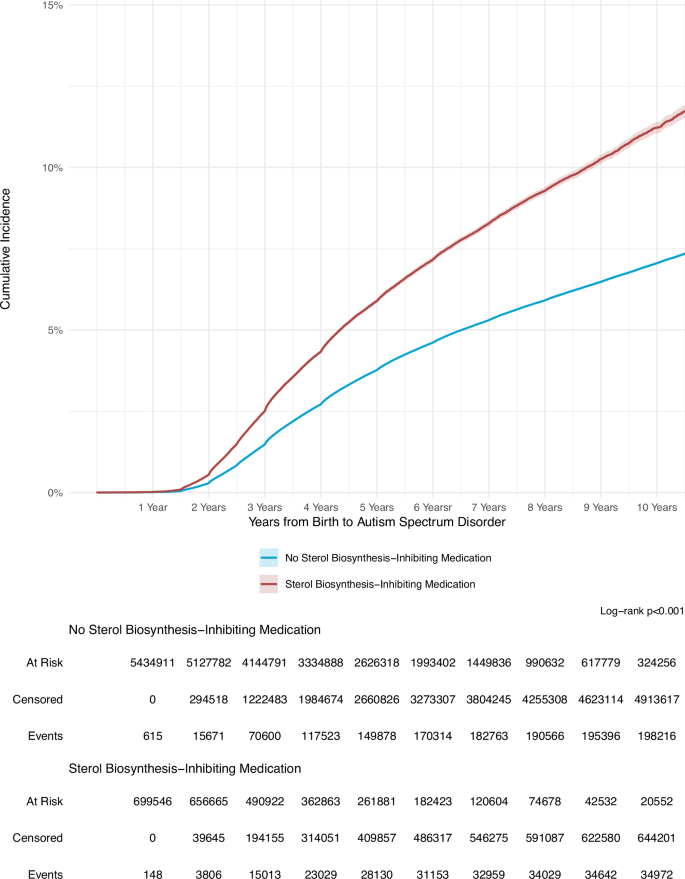 Study Links Antidepressants, Beta-blockers and Statins To Increased Autism Risk
 Pilot Study: Fibromyalgia Fatigue Improved By TENS Therapy