100 years yesterday, the RMS Titanic struck an iceberg while crossing the North Atlantic and sank, killing over 1500 passengers and crew.
Cyberbullies don't feel like they are the same as physical bullies. Some new research agrees, and for that reason anti-bullying campaigns need to be optimized for the Internet.
Traditional bullying, the 'schoolyard' kind of bullying, is often associated with three main characteristics: a power differential between bully and victim, proactive targeting of a victim and ongoing aggression. The Internet is the great equalizer. Traditional power differentials, like size and popularity, don't apply as commonly in cyberbullying and the lines between victim and aggressor are more blurred; it is not unusual for an individual to act in all capacities - bully, victim, and witness - online.
The Trefael Stone is an ancient monument in south-west Wales.
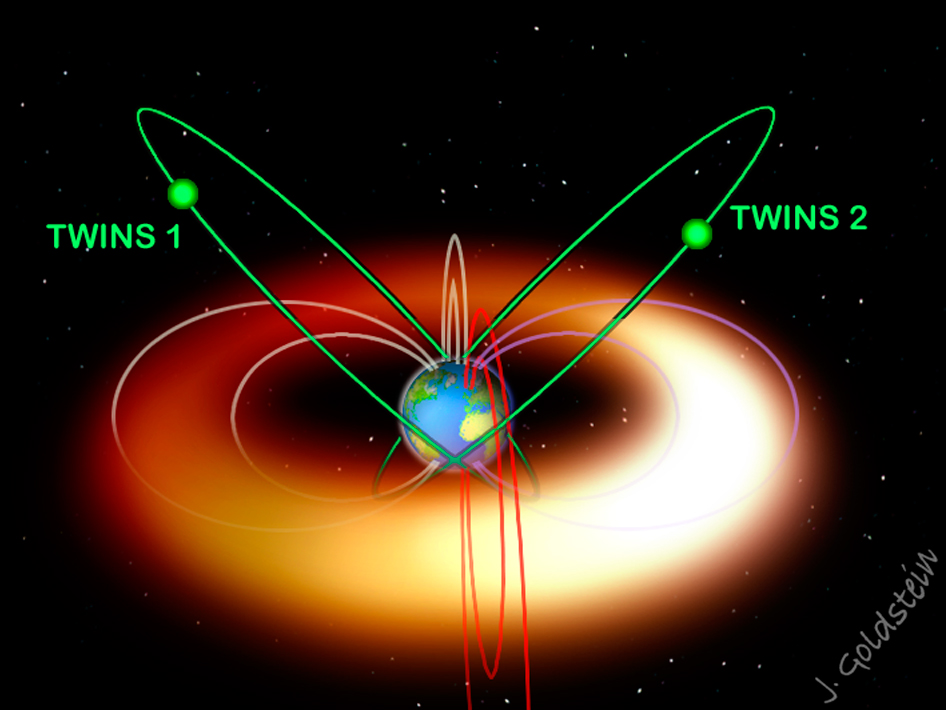
On April 5, 2010, the sun spewed a two million-mile-per-hour stream of charged particles toward the magnetosphere, the invisible magnetic fields surrounding Earth.
As the particles interacted with the magnetic fields, the incoming stream of energy caused stormy conditions near Earth. Some scientists believe that it was this solar storm that interfered with commands to a communications satellite, Galaxy-15, which subsequently foundered and drifted, taking almost a year to return to its station.
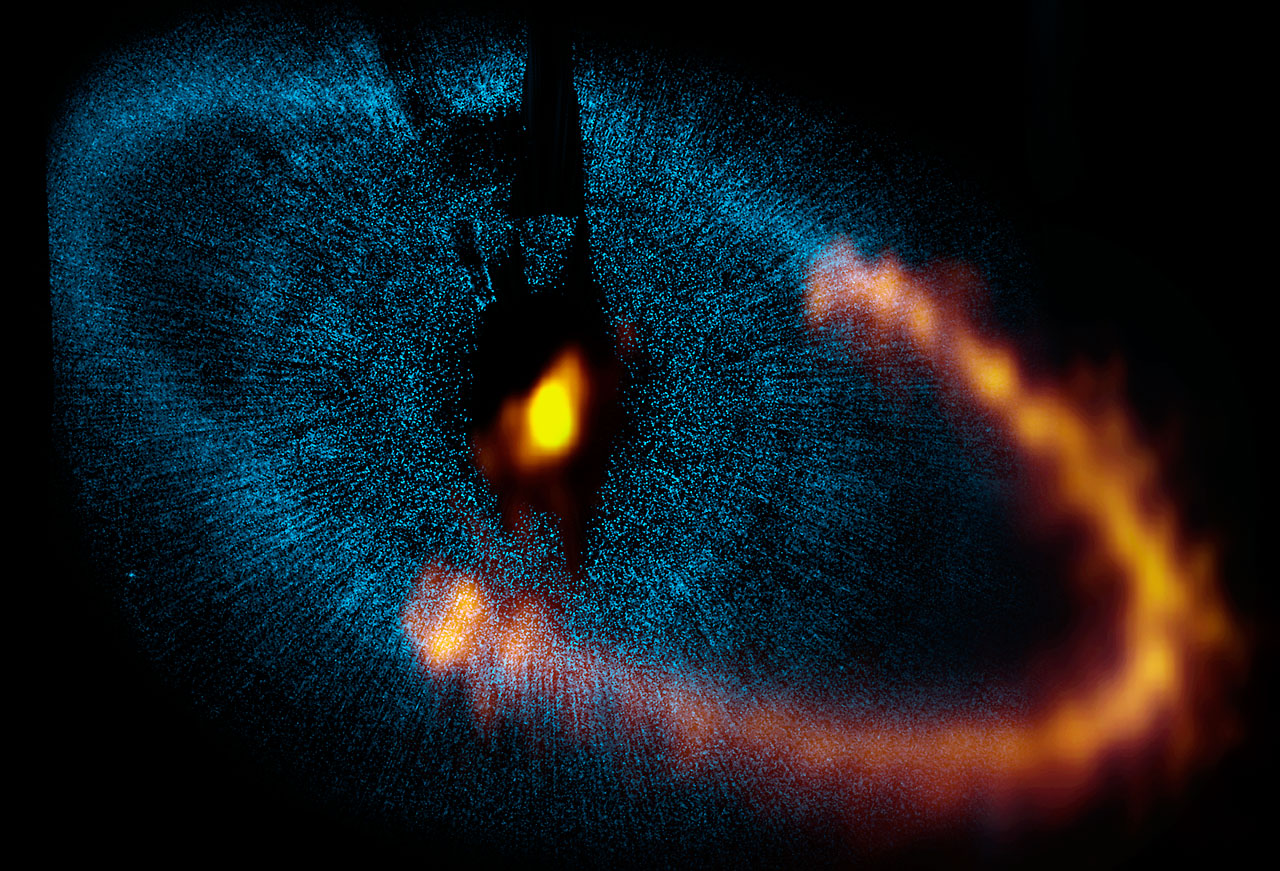
A new observatory, the Atacama Large Millimeter/submillimeter Array (ALMA), is still under construction but it has already given astronomers a major breakthrough in understanding a nearby planetary system and provided valuable clues about how such systems form and evolve.
Astronomers using ALMA have discovered that planets orbiting the star Fomalhaut are much smaller than originally thought.
A new five-ton instrument that goes by the name MOSFIRE (Multi-Object Spectrometer for Infra-Red Exploration) has been installed in the Keck I Telescope at the W.M. Keck Observatory atop Mauna Kea in Hawaii.
MOSFIRE gathers light in infrared wavelengths — invisible to the human eye — allowing it to penetrate cosmic dust and see distant objects whose light has been stretched or "redshifted" to the infrared by the expansion of the universe. Basically, it will allow scientists to look 'back in time' and study the earliest galaxies in the universe


 Synchrotron Could Shed Light On Exotic Dark Photons
 The Pain Scale Is Broken But This May Fix It
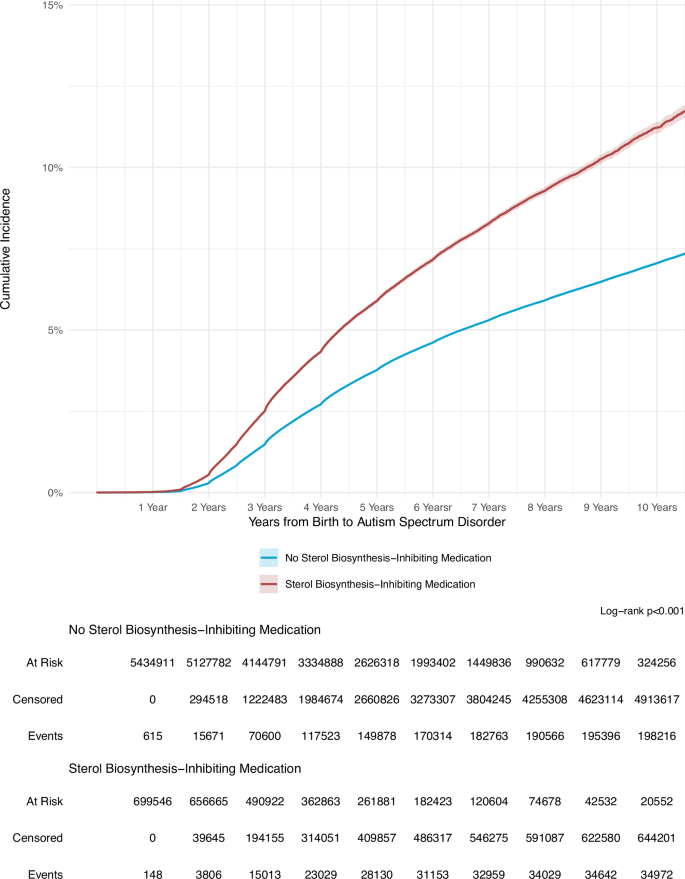 Study Links Antidepressants, Beta-blockers and Statins To Increased Autism Risk
 Pilot Study: Fibromyalgia Fatigue Improved By TENS Therapy