

Banner
Synchrotron Could Shed Light On Exotic Dark Photons

There are many hypothetical particles proposed to explain dark matter and one idea to explore how...

The Pain Scale Is Broken But This May Fix It

Chronic pain is reported by over 20 percent of the global population but there is no scientific...
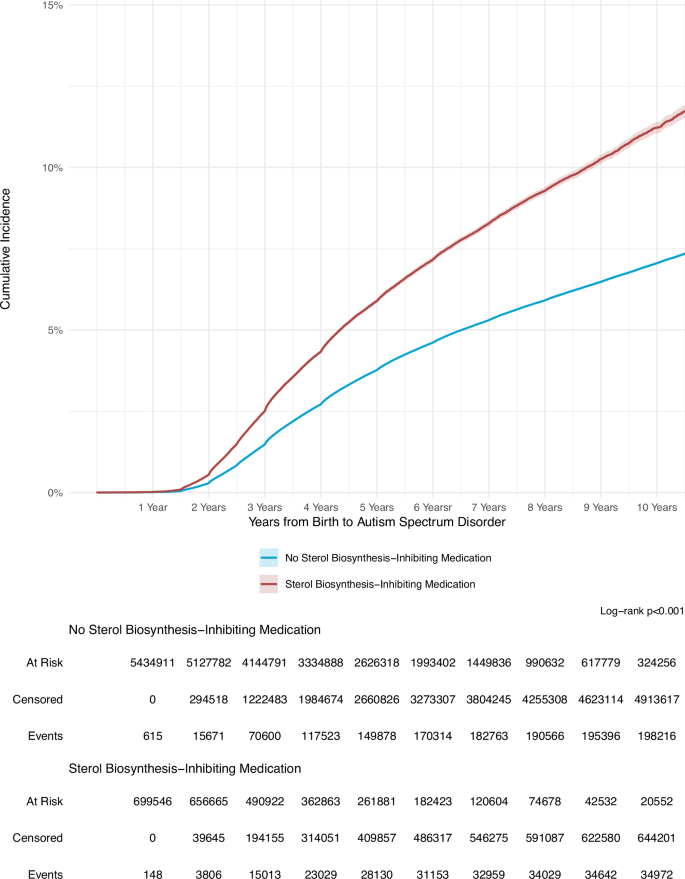
Study Links Antidepressants, Beta-blockers and Statins To Increased Autism Risk

An analysis of 6.14 million maternal-child health records  has linked prescription medications...

Pilot Study: Fibromyalgia Fatigue Improved By TENS Therapy

Fibromyalgia is the term for a poorly-understood condition where people experience pain and fatigue...

User picture.
News StaffRSS Feed of this column.

News Releases From All Over The World, Right To You... Read More »

Blogroll
A device the size of a home washing machine uses bacteria growing in municipal sewage to make electricity - and also clean up the sewage at the same time. 

Current wastewater treatment technology involves a number of steps designed to separate the solid and liquid components of sewage and clean the wastewater before it is released into a waterway. This often involves settling tanks, macerators that break down larger objects, membranes to filter particles, biological digestion steps and chemicals that kill harmful microbes. One estimate puts their energy use at 2 percent of overall consumption in the U.S.
In the era of Big Science, it is often assumed that cutting-edge research can't be done cheaply.  Yet even now a piece of tape can lead to a Nobel prize.  Andre Geim and Konstantin Novoselov  got one that way, for their discovery of graphene, a type of carbon one atom thick but more than 100 times stronger than steel.

Sure, we all know graphene will lead to bendable computer screens and ultralight materials but it turns out graphene may also revolutionize genetic sequencing. 
One strategy for tackling hard-to-treat bacterial infections could be viruses that can target and destroy bacteria. The development of such novel therapies is being accelerated in response to growing antibiotic resistance, says Dr David Harper at the Society for General Microbiology's Spring Conference in Dublin.
We all want fewer dictators getting rich holding the world hostage to the demands of legacy energy systems.  And it can happen, though one anti-science contingent might not like how it gets done.

The hydrogen economy has been ready to start for decades and could begin commercial production of hydrogen in this decade - but, says Dr. Ibrahim Khamis of the International Atomic Energy Agency (IAEA) in Vienna, Austria, it will take heat from existing nuclear plants to make hydrogen economical.
At one time,  J. Craig Venter, Ph.D.,  was a maverick outsider, determined to beat Big Science to the human genome and at a lot less cost.  Now he is the ultimate insider, giving a plenary talk at the most recent American Chemical Society meeting.
An expedition to the Indonesian island of Sulawesi has led to discovery of a new 'King of Wasps' - 80 years after it was first collected.

Megalara garuda is pitch-black, has an enormous body size, and its males have long, sickle-shaped jaws.  It is one the largest known members of the crabronid subfamily Larrinae





