What is actually happening in the brain when one person looks at another?
For people with prosopagnosia, an inability to recognize faces, information processing - the stages that our brains go through to recognize a face - is breaking down.
It may turn out that coffee is bad for you. The World Health Organization already lists it as a possible carcinogen, despite any evidence, but they do the same thing about cell phones, in contrast to any evidence - perhaps Big Tea donates a lot to WHO.
Until a group more scientifically valid than WHO finds a problem with coffee, Science 2.0 will continue to push articles extolling it - the bolder the better, like us. Even decaffeinated coffee may be terrific. Researchers from Mount Sinai School of Medicine have discovered that decaffeinated coffee may improve brain energy metabolism associated with type 2 diabetes, a known risk factor for dementia and other neurodegenerative disorders like Alzheimer's disease.
If you've ever wondered why the man in your life can't recall your discussion of organic squash from 20 minutes ago but he can vividly recall the time 11 years ago when you insulted his "Captain Planet ad the Planeteers" figurines, there is a science answer; women let things go and men don't.
Or...men have better memories.
Research undertaken by University of Montreal researchers at Louis-H Lafontaine Hospital showed a woman's memory of an experience is less likely to be accurate than a man's if it was unpleasant and emotionally provocative.
Plants help keep us cool by absorbing CO2 - sometimes too cool.
The arrival of the first plants 470 million years ago triggered a series of ice ages, according to a research team that set out to identify the effects that the first land plants had on the climate during the Ordovician Period, which ended 444 million years ago. During this period the climate gradually cooled, leading to a series of 'ice ages'. This global cooling was caused by a dramatic reduction in atmospheric carbon, which this research now suggests was triggered by the arrival of plants.
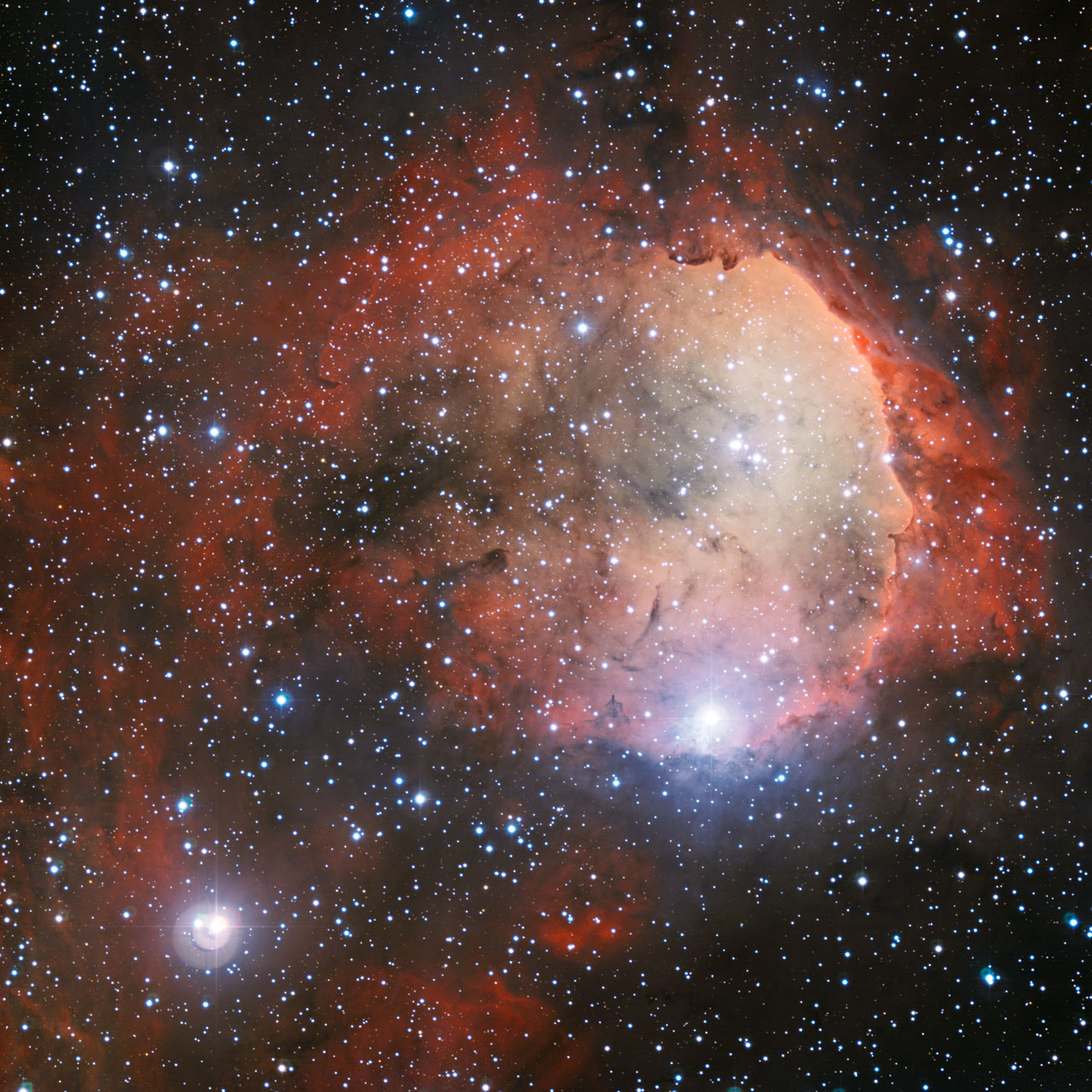
NGC 3324, on the northern outskirts of the chaotic environment of the Carina Nebula in the constellation of Carina (The Keel, part of Jason’s ship the Argo), is about 7500 light-years from Earth and has been sculpted by many other pockets of star formation. A rich deposit of gas and dust in the NGC 3324 region fueled a burst of star birth there several millions of years ago and led to the creation of several hefty and very hot stars.
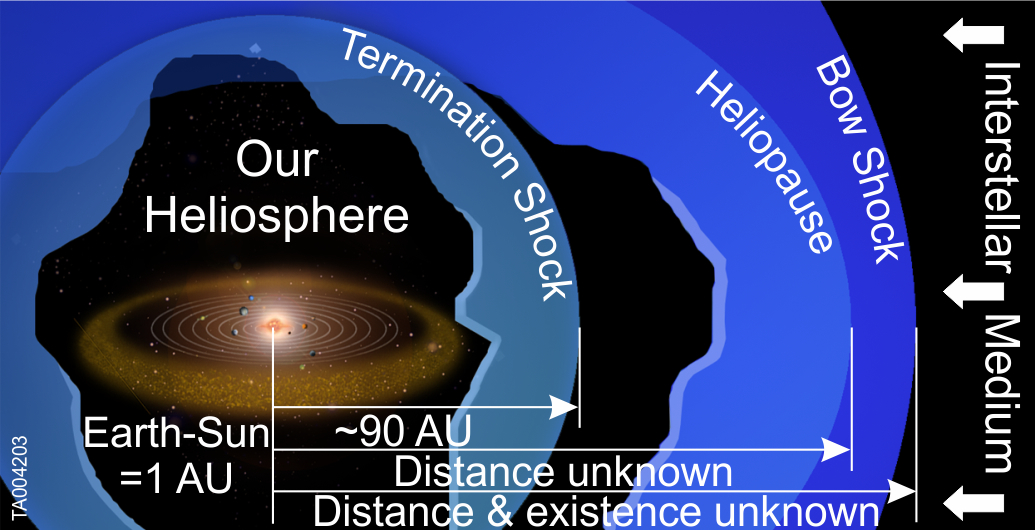
NASA's Interstellar Boundary Explorer (IBEX) spacecraft has allowed researchers to measure neutral "alien" particles entering our solar system from interstellar space; a first look at the constituents of the interstellar medium, the matter between star systems, and how they interact with our heliosphere.


 Synchrotron Could Shed Light On Exotic Dark Photons
 The Pain Scale Is Broken But This May Fix It
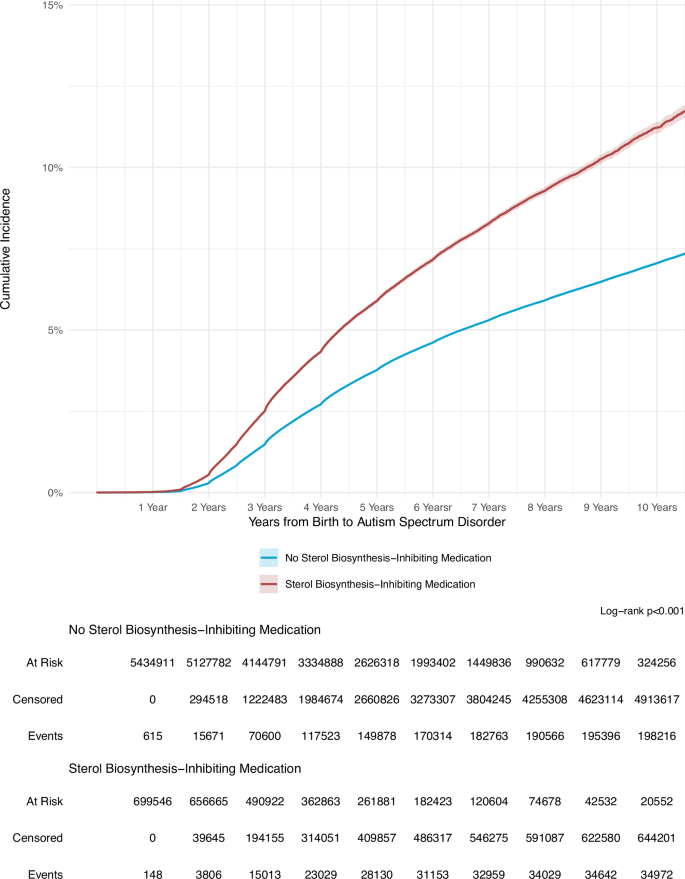 Study Links Antidepressants, Beta-blockers and Statins To Increased Autism Risk
 Pilot Study: Fibromyalgia Fatigue Improved By TENS Therapy