Not to play favorites but there is one area where physics has the life sciences beat: sharing. With preprints and data, the newest findings zip around the globe, before peer review, and science does not collapse.
Rightly or wrongly, the marketing campaign for organic food has worked. People have demonstrated that they will overpay for organic food despite their being no difference in nutritional value, the same way they will pay for homeopathy or magic crystals.
But the billions that the organic food industry now generates means there is ample opportunity for fraud - and that's just wrong. If you go into Whole Foods to spend your Whole Paycheck, you should at least be assured the country of origin is what they say it is.
An extremely hot, massive young galaxy cluster named ACT-CL J0102-4915 is the largest ever seen in the distant Universe, and has been has been nicknamed El Gordo — the "big" or "fat one" in Spanish. It consists of two separate galaxy sub-clusters colliding at several million miles per hour, and is so far away that its light has traveled for seven billion years to reach Earth.
Welcome to the world's slowest clock.
The 'argon-argon clock' works by measuring the ratio of the amount of radioactive potassium in a sample of rock to the amount of its decay product, argon. As scientists already know the half-life of argon's radioactive decay - 1.25 billion years - it can be used to date rocks back to the time of the formation of the Earth, some 4.5 billion years ago. The older a rock is, the more potassium has decayed and the more argon is found in the rock.
New research has been able to improve the calibration of the 'argon-argon clock' and that could mean up to a 1.2 per cent difference in a rock's age from the original calculation.
One of the most effective arguments for science solutions to agriculture issues is the misuse of pesticides. It's one area where activists and scientists agree.
Brown planthoppers are one of a rice farmer's worst fears. Considered a major scourge in rice-producing countries, planthoppers cause considerable damage by sucking sap from rice plants, causing them to wilt and die. They also transmit three viral diseases that stunt rice plants and prevent grain formation. The obvious solution of the past few decades has been to rely on pesticides but beneficial insects that prey on planthoppers are killed inadvertently when insecticides are misused or are used indiscriminately.
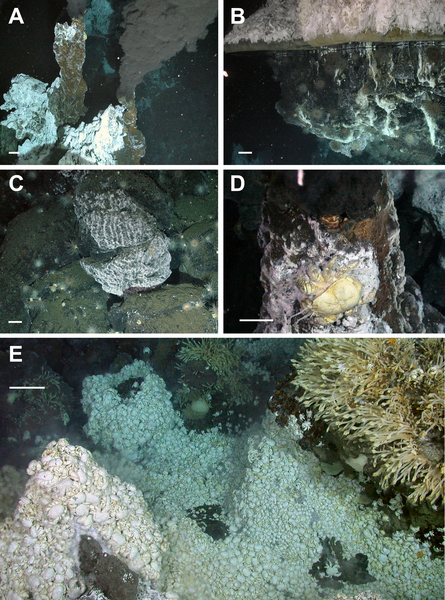
In the East Scotia Ridge deep beneath the Southern Ocean, hydrothermal vents including 'black smokers' reaching temperatures of up to 382 degrees Celsius have created a unique environment that lacks sunlight, but is rich in certain chemicals.
It also has communities of species previously unknown to science on the seafloor.
This hot, dark environment surrounding hydrothermal vents was explored using a Remotely Operated Vehicle (ROV) and the researchers found new species of yeti crab, starfish, barnacles, sea anemones, and potentially an octopus.


 Synchrotron Could Shed Light On Exotic Dark Photons
 The Pain Scale Is Broken But This May Fix It
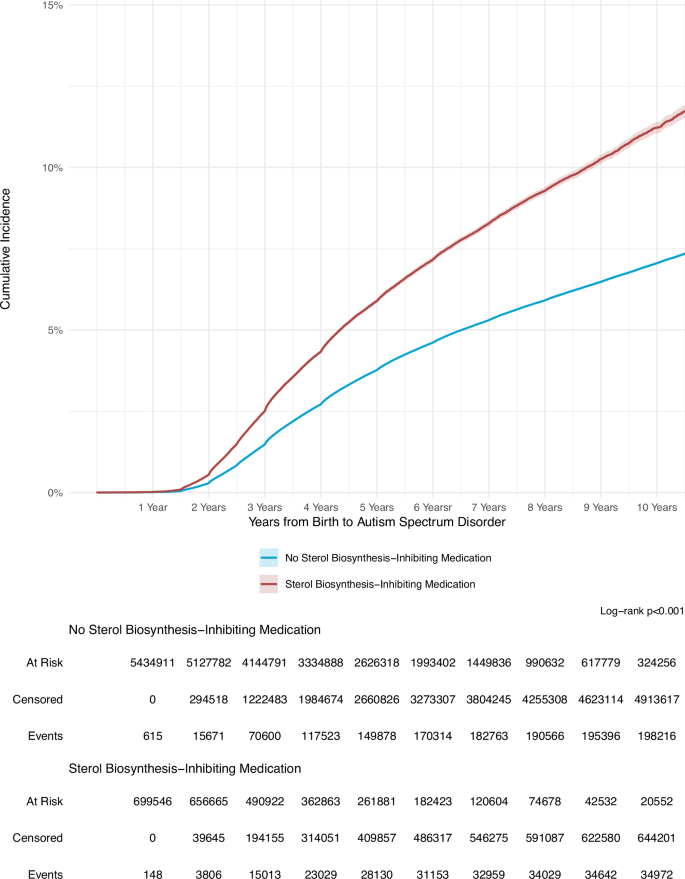 Study Links Antidepressants, Beta-blockers and Statins To Increased Autism Risk
 Pilot Study: Fibromyalgia Fatigue Improved By TENS Therapy