

Banner
Synchrotron Could Shed Light On Exotic Dark Photons

There are many hypothetical particles proposed to explain dark matter and one idea to explore how...

The Pain Scale Is Broken But This May Fix It

Chronic pain is reported by over 20 percent of the global population but there is no scientific...
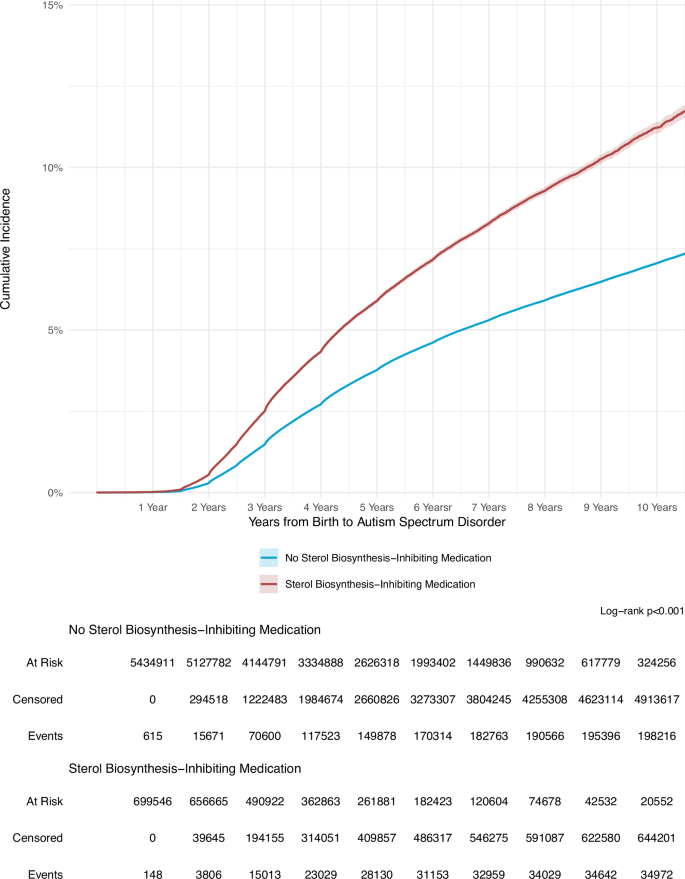
Study Links Antidepressants, Beta-blockers and Statins To Increased Autism Risk

An analysis of 6.14 million maternal-child health records  has linked prescription medications...

Pilot Study: Fibromyalgia Fatigue Improved By TENS Therapy

Fibromyalgia is the term for a poorly-understood condition where people experience pain and fatigue...

User picture.
News StaffRSS Feed of this column.

News Releases From All Over The World, Right To You... Read More »

Blogroll
Two recent studies are providing a foundation for a more complete understanding of distinct kidney cancer subtypes, which could pave the way for better treatments.

In a study published in Cancer Cell led by Kyle Furge, Ph.D. and Aikseng Ooi, Ph.D. of Van Andel Research Institute, they provide a more complete understanding of the biology of Type 2 papillary renal cell carcinoma (PRCC2), an aggressive type of kidney cancer with no effective treatment, which lays the foundation for the development of effective treatment strategies.

The previous year has forced us to confront difficult science questions: Was processing patents Einstein’s real strength? Are there any other planets out there like Earth? Why is the universe composed of matter instead of antimatter? 2011 had a bumper crop of fascinating science and technology stories, so many that it’s impossible to call ten stories "the top” but the audience expects it.  So, courtesy of Ysabel Yates at Txchnologist, here are ten notable events from a long list, in no particular order and slightly edited.

A study in Cancer Discovery says mutations in the ATM gene may increase the hereditary risk for pancreatic cancer.

Pancreatic cancer is one of the most morbid cancers, with less than 5 percent of those diagnosed with the disease surviving to five years. Approximately 10 percent of patients come from families with multiple cases of pancreatic cancer.

Using next-generation sequencing, including whole genome and whole exome analyses, they identified ATM gene mutations in two kindreds with familial pancreatic cancer. When those initial findings were examined in a large series for patients, ATM mutations were present in four of 166 subjects with pancreatic cancer but were absent in 190 spousal control subsets. 

An international clinical trial shows that treating ovarian cancer with the drug bevacizumab ("Avastin") delays the disease and may also improve survival. 

The findings in the New England Journal of Medicine report that the drug halted the cancer's return for two months overall but for women with the highest risk disease, the delay was five to six months and the findings also indicate a strong trend to improved overall survival, which is being analyzed until 2013. 

The seven-year study began in 2004 and enrolled 1,528 women with ovarian cancer at 263 centres, including 20 in Canada. Avastin was added to chemotherapy treatment and given intravenously every three weeks for 12 months.

In March 2011, a surgical team at Brigham and Women's Hospital (BWH) performed the first full face transplantation (FFT) in the United States and went on to complete a total of three FFTs this year.

Writing in the New England Journal of Medicine, researchers evaluate FFT in the US and describe details of patient preparation, design and execution of the operation as well as unique immunosuppression protocol allowing for lowest long-term maintenance drug regimen. They also share details of the early functional outcomes and demonstrate FFT as a viable option in the treatment of severe facial deformities and injuries. 

Prejudice is just bigotry that arises from flawed ideology, right?  Not so, say the authors of a new paper.

They contend prejudice stems from a deeper psychological need and it is associated with a particular way of thinking. People who aren't comfortable with ambiguity and want to make quick and firm decisions are also prone to making generalizations about others. People who are prejudiced feel a much stronger need to make quick and firm judgments and decisions in order to reduce ambiguity.

And, they argue, it's virtually impossible to change this basic way that people think.




