

Banner
Synchrotron Could Shed Light On Exotic Dark Photons

There are many hypothetical particles proposed to explain dark matter and one idea to explore how...

The Pain Scale Is Broken But This May Fix It

Chronic pain is reported by over 20 percent of the global population but there is no scientific...
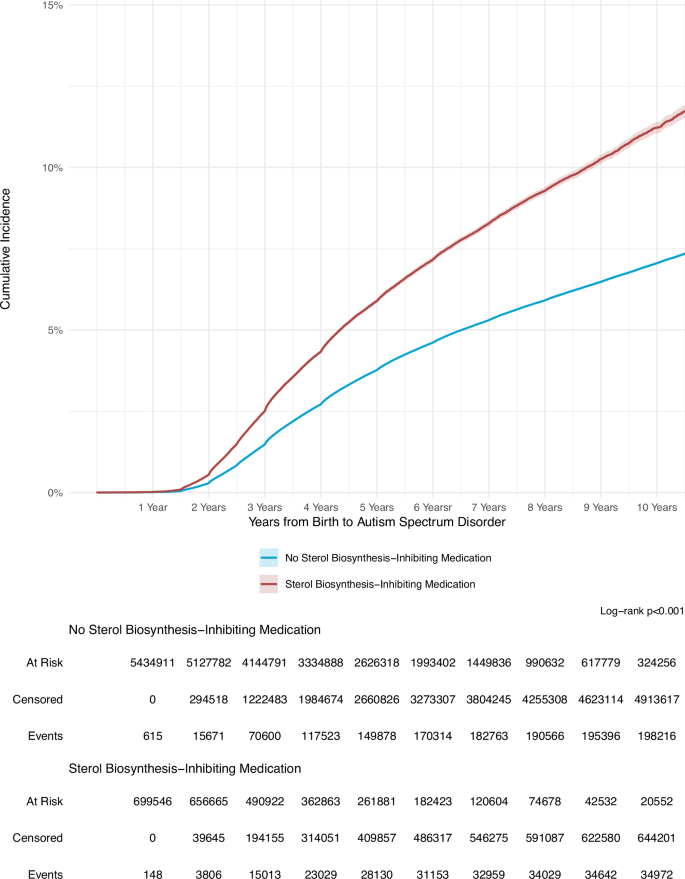
Study Links Antidepressants, Beta-blockers and Statins To Increased Autism Risk

An analysis of 6.14 million maternal-child health records  has linked prescription medications...

Pilot Study: Fibromyalgia Fatigue Improved By TENS Therapy

Fibromyalgia is the term for a poorly-understood condition where people experience pain and fatigue...

User picture.
News StaffRSS Feed of this column.

News Releases From All Over The World, Right To You... Read More »

Blogroll

You know them you hate them, but no one creates fun research that matches confirmation bias more than BeautifulPeople.com, and they are at it again.  Their latest findings - from online dating site users, of course - exposes an ugly truth of online dating: Women lie more than men, and Americans are bigger liars than the Brits.

 Women lie about their looks and men lie about their jobs in the battle to find a partner through Internet dating, according to a survey of 1,000 single adults commissioned by BeautifulPeople.com. 

Elsevier announced new features for its online research tool BrainNavigator, adding new content and functionality to give researchers additional tools to accelerate their research. 

BrainNavigator is an online, interactive, 3D software tool for the application of brain atlases and maps images of brain anatomy, helping neuroscience researchers save time and improve the quality of their daily research by helping locate the position of structures within the brain, making visualization and communication about scientific findings about the brain easier. 

A computer that can learn?  There hasn't been meaningful improvement in robotics in 40 years and no AI improvements in 25, just faster chips doing things the old way, but researchers may have gotten a little closer with a a computer chip that mimics how the brain's neurons adapt in response to new information. This plasticity underlies many brain functions, including learning and memory.

Scientists were able to curb weight gain, improve metabolism and improve the efficacy of insulin in mice by engineering them to express a specific human enzyme, IKKbeta, in their fat tissue, but there was a significant cost; widespread inflammation.

The relationship between fat, inflammation, and insulin performance is complex. The conventional wisdom is that obesity leads to inflammation which contributes to insulin resistance. In this study, the researchers changed the sequence of events for transgenically engineered mice by inducing inflammation via the enzyme IKKbeta in their fatty tissue before they were obese. The result for metabolism was much more positive than for control mice who were left unaltered but were fed the same diets.

A prehistoric bronze artifact made from a cast has been found in Alaska, apparently a buckle.

There was no Bronze Age in Alaska, though it existed several thousand years earlier in Europe and Asia.  Perhaps some of the earliest Inupiat Eskimos in northwest Alaska, thought to have migrated into Alaska from adjacent Siberia some 1,500 years ago, might have brought the object with them from the other side of the Bering Strait. The Inupiat Eskimos are believed to have occupied Cape Espenberg from about A.D. 1000 until the mid-1800s, said Hoffecker. They are part of the indigenous Eskimo culture that lives in Earth's circumpolar regions like Alaska, Siberia and Canada.

Red blood cells regenerate every four months but the lining of the intestine regenerates itself every few days. The cells that help humans absorb food are constantly being produced and the various cell types that do this come from stem cells that reside deep in the inner recesses of the accordion-like folds of the intestines, called villi and crypts. 

Like ancient burial crypts, these adult stem cells are something of a mystery. Two types of intestinal stem cells have been proposed to exist but the relationship between them has been unclear. One type of stem cell divides slowly and resides at the sides of intestinal crypts. The other divides much more quickly and resides at the bottom of the crypts.





