Banner
Synchrotron Could Shed Light On Exotic Dark Photons

There are many hypothetical particles proposed to explain dark matter and one idea to explore how...

The Pain Scale Is Broken But This May Fix It

Chronic pain is reported by over 20 percent of the global population but there is no scientific...
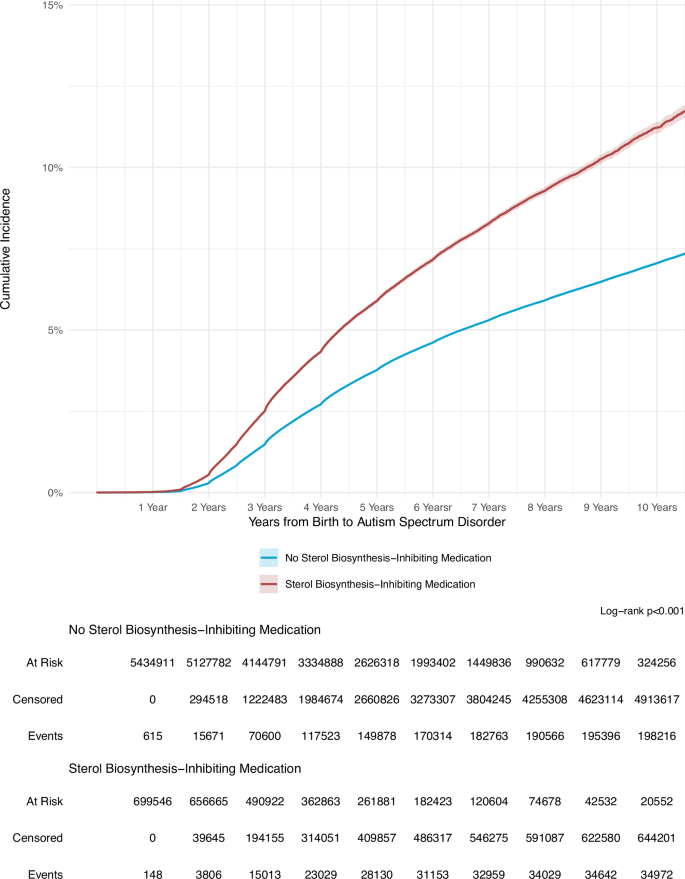
Study Links Antidepressants, Beta-blockers and Statins To Increased Autism Risk

An analysis of 6.14 million maternal-child health records  has linked prescription medications...

Pilot Study: Fibromyalgia Fatigue Improved By TENS Therapy

Fibromyalgia is the term for a poorly-understood condition where people experience pain and fatigue...

User picture.
News StaffRSS Feed of this column.

News Releases From All Over The World, Right To You... Read More »

Blogroll

Can music lead to better CPR? Yes and no.  Any mnemonic hook that helps rescue personnel deliver a good number of chest compressions to heart attack victims is likely good but one song, "Disco Science" by Mirwais, does well yet can only achieve half the CPR goal.

If you are a fan of Guy Ritchie's film "Snatch" you have heard "Disco Science" but may not know that it has 100 beats per minute, around the optimal range for CPR. However, it does not help at all in  improving the depth of compression, which may mean it's time to give up on trying to find the best musical gimmick to aid in CPR and just teach it the old fashioned way.

What is nothingness? It's a philosophical question, to be sure, but in physics the ground state of the universe can't be described by the absence of all matter, contend some theoretical physicists. There must be a 'quantum vacuum'.

The first theoretical consideration of the spontaneous decay of the quantum vacuum, believed to be a complex state of constantly fluctuating quantum fields with physical properties, dates back to the year 1931, but understanding is still in its infancy.

But it could soon happen that experimentalists are able to witness the spontaneous decay of the vacuum into pairs of particles of matter and antimatter in super strong electric fields. 

Statistical tests and economic forecasting are something of a joke; Paul Krugman is fun because he rants about Republicans in the New York Times but no one would ever actually let him manage money. 

252 million years ago there was a watershed moment in the history of life on Earth - namely that there was almost no life left on Earth. As much as 90 percent of ocean organisms were extinguished, ushering in a new order of marine species, some of which we still see today and land dwellers also sustained major losses.

A new paper in Proceedings of the Royal Society B undertook an exhaustive specimen-by-specimen analysis  of surviving land-based vertebrates. The survivors, a handful of genera labeled "disaster taxa," were free to roam more or less unimpeded, with few competitors in their respective ecological niches.

An underwater ridge may be the only thing holding back the retreat of Antarctica's fast-flowing Thwaites Glacier, which drains into west Antarctica's Amundsen Sea, and it could speed up within 20 years, says a new study in Geophysical Research Letters.

Thwaites Glacier is being closely watched for its potential to raise global sea levels as the planet warms but neighboring glaciers in the Amundsen region are also thinning rapidly, including Pine Island Glacier and the much larger Getz Ice Shelf. The study highlights the importance of seafloor topography in predicting how these glaciers will behave in the near future.

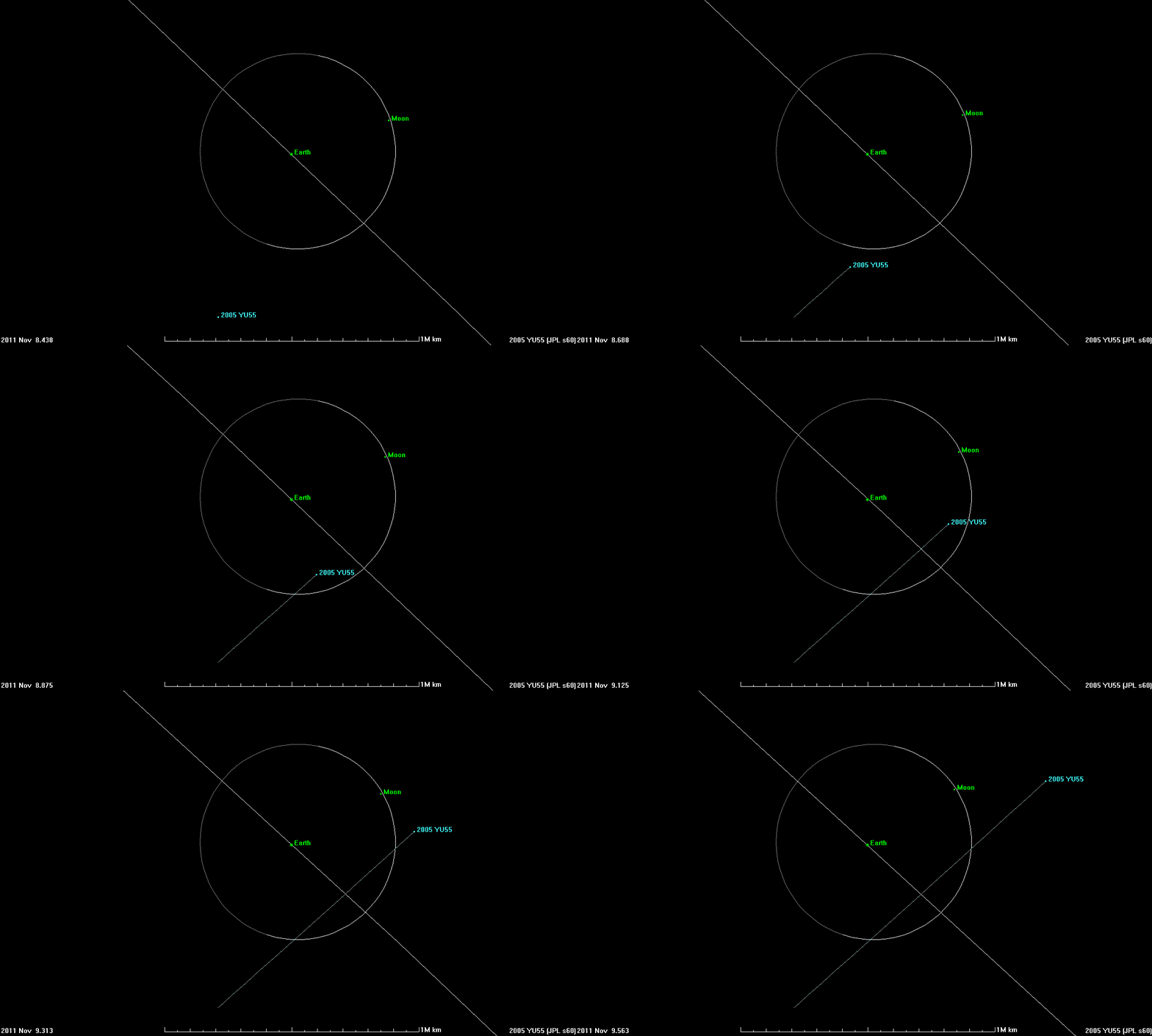
 A 400 meter, C-type asteroid will pass within 0.85 lunar distances from the Earth on November 8, 2011.  The attached animated illustration shows the Earth and moon flyby geometry for November 8th and 9th when the object will reach a visual brightness of 11th magnitude and should be easily visible to observers in the northern and southern hemispheres. The closest approach to Earth and the Moon will be respectively 0.00217 AU and 0.00160 AU on 2011 November 8 at 23:28 and November 9 at 07:13 UT.