A non-invasive disease detection facility has been unveiled for use in Leicester Royal Infirmary's A&E department. It will detect the "sight, smell and feel" of disease without the use of invasive probes, blood tests, or other time-consuming and uncomfortable procedures.
If you're thinking that sounds like Dr. McCoy's tricorder on the "Star Trek" television series, you are right. But right now it's more like his sick bay than a portable device.
The University of Leicester have three different types of cutting-edge technology in combination under a range of situations. All the methods are non-invasive and could speed up diagnosis.
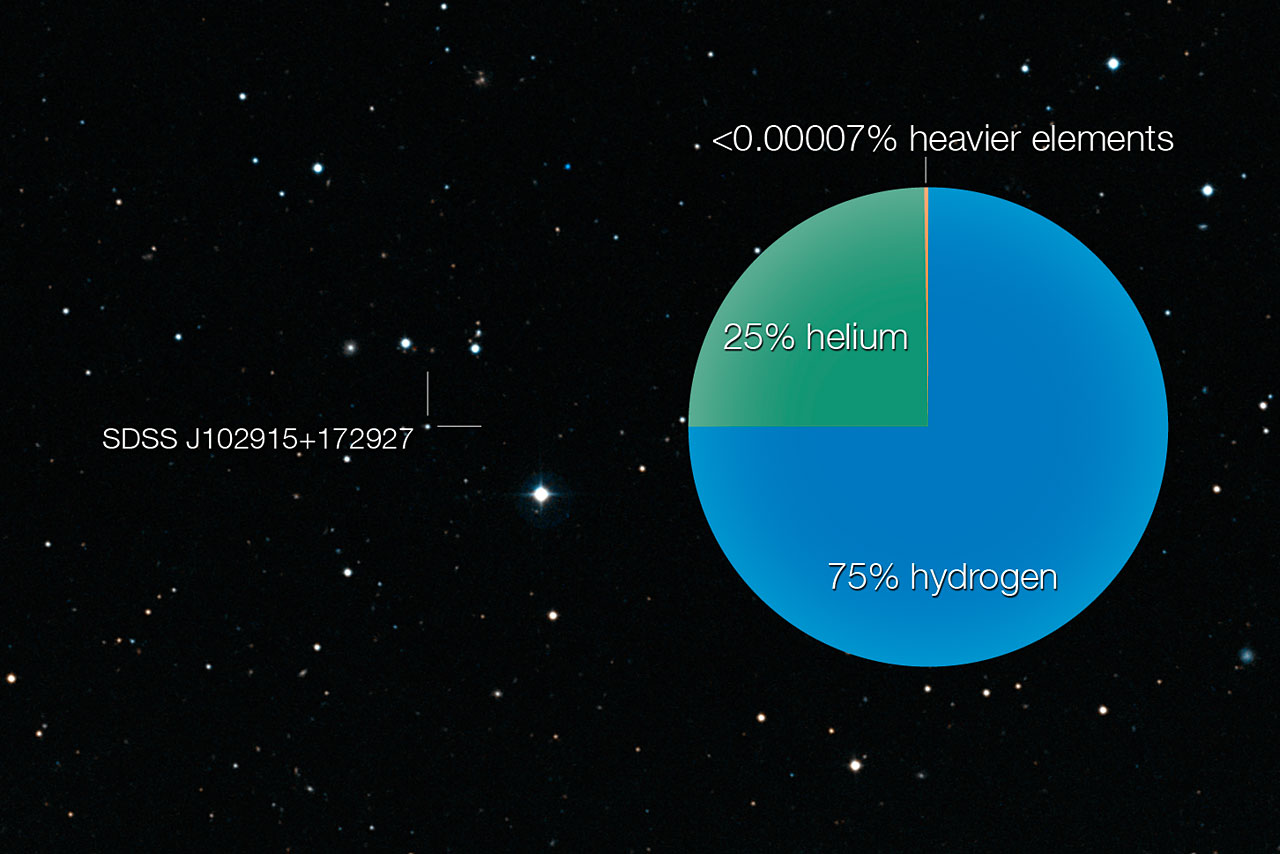
SDSS J102915+172927 is in the constellation of Leo. It has a mass smaller than that of the Sun and is probably more than 13 billion years old and has been found to have the lowest amount of elements heavier than helium (what astronomers call "metals") of all stars yet studied.
The mystery? It shouldn't exist.
Planetary waves, named Rossby waves because they were discovered by
Carl-Gustav Rossby in the 1930s,
are intriguing natural phenomena that travel from East to West.
A new NASA study suggests two of the most destructive natural disasters of 2010 were completely natural and closely linked even though they occurred 1,500 miles apart.
As solar power continues to grow in popularity, science issues like pollution are being swept under the rug in hopes future technology will solve it before it becomes a crisis, much like with ethanol, MTBE, PBDEs and other once-popular efforts environmental lobbyists spent millions promoting.
Chris Cherry, assistant professor in civil and environmental engineering at University of Tennessee-Knoxville, says solar power's reliance s on lead batteries has the potential to release more than 2.4 million tons of lead pollution in China and India, a pattern likely to be repeated throughout much of the developing world, such as in Africa.
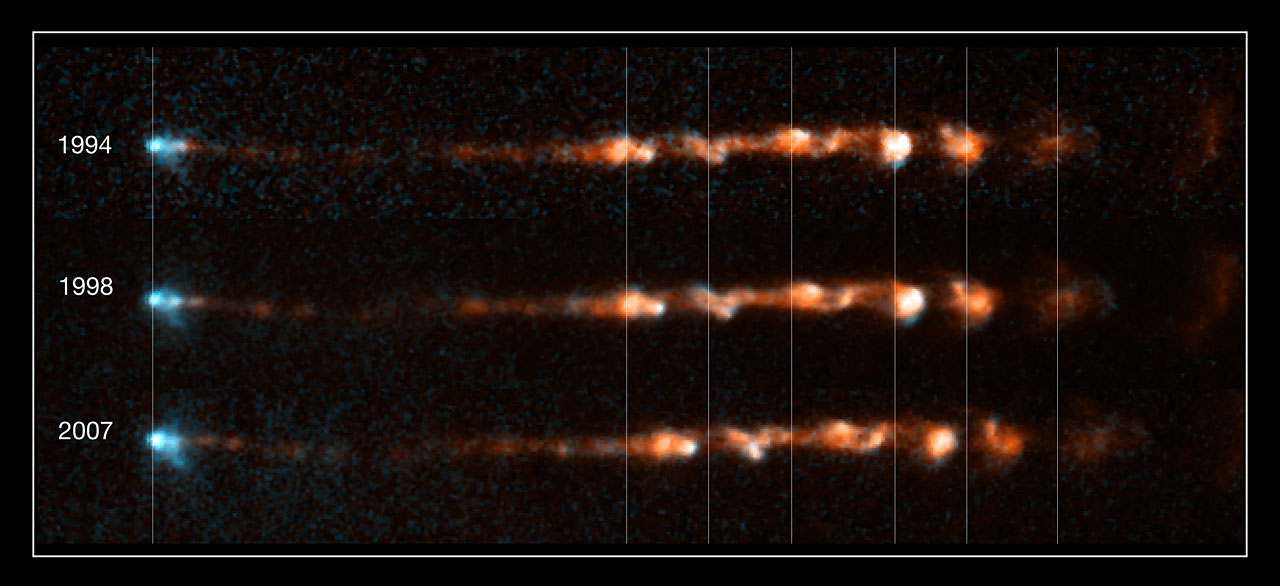
1350 light-years from Earth, near the Orion Nebula, a bright, clumpy jet called called Herbig-Haro 34 (HH 34) ejected from a young star has changed over time - a signpost of star birth.
Stars aren't shy about sending out birth announcements. They fire off energetic jets of glowing gas travellng at supersonic speeds in opposite directions through space. Although astronomers have looked at still pictures of stellar jets for decades, now they can watch movies, thanks to the NASA/ESA Hubble Space Telescope.


 Here's Where Your Backyard Was 300 Million Years Ago
 Convergent Evolution Cheat Sheet Now 120 Million Years Old
 Synchrotron Could Shed Light On Exotic Dark Photons
 The Pain Scale Is Broken But This May Fix It