Banner
Convergent Evolution Cheat Sheet Now 120 Million Years Old

One tenet of natural selection is a random walk of genes but nature may be more predictable than...

Synchrotron Could Shed Light On Exotic Dark Photons

There are many hypothetical particles proposed to explain dark matter and one idea to explore how...

The Pain Scale Is Broken But This May Fix It

Chronic pain is reported by over 20 percent of the global population but there is no scientific...
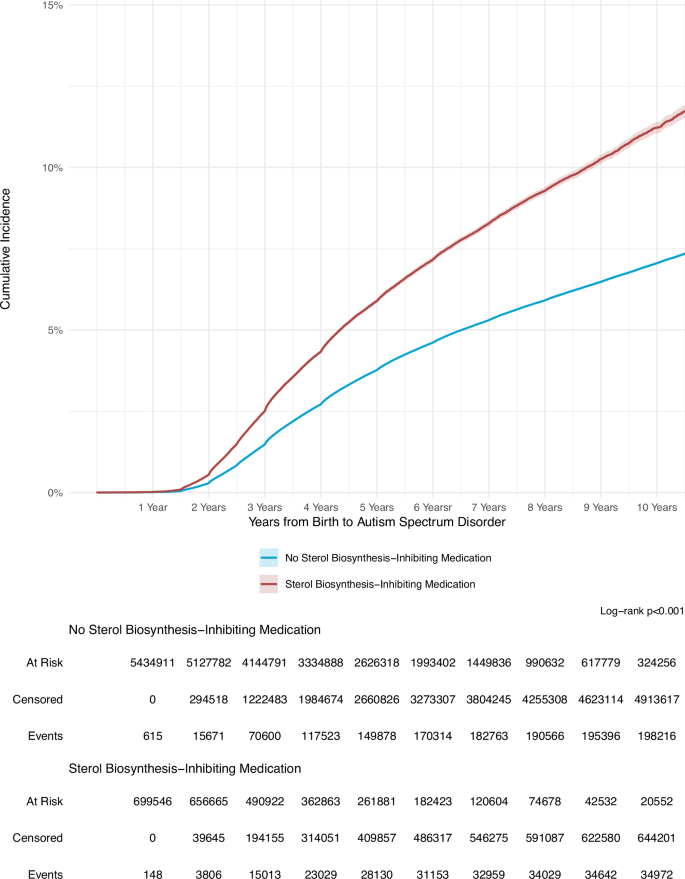
Study Links Antidepressants, Beta-blockers and Statins To Increased Autism Risk

An analysis of 6.14 million maternal-child health records  has linked prescription medications...

User picture.
News StaffRSS Feed of this column.

News Releases From All Over The World, Right To You... Read More »

Blogroll
A review article published in the European journal Psychotherapy and Psychosomatics says there is a relationship between depression and bone metabolism.

The study says that the association between psychiatric illness, in particular depression, and osteoporosis has been the subject of a growing body of research yielding various findings, although most identify some effect on bone. In addition to medication-related processes and/or modifiable lifestyle factors associated with mood disturbances, endocrine and immune alteration secondary to depression may play a pathogenetic role in bone metabolism.
Scientists who study how human chemistry can permanently turn off genes have typically focused on small islands of DNA believed to contain most of the chemical alterations involved in those switches. But after an epic tour of so-called DNA methylation sites across the human genome in normal and cancer cells, Johns Hopkins scientists have found that the vast majority of the sites aren’t grouped in those islands at all, but on nearby regions that they’ve named “shores.” 
Even 150 years after Charles Darwin’s epochal On the Origin of Species many questions about the molecular basis of evolution are still waiting for answers.

How are signaling pathways changed by genes and by the environment enabling the development of new species?

A group of scientists at the Max Planck Institute for Developmental Biology in Tübingen, Germany, are striving to decode the molecular basis of parasitism and their objects of research are nematode worms. Do the dauer stages which occur in certain nematodes and the infective larvae of their parasitic cousins share a common evolutionary basis?

Transiting exoplanets are routinely detected when they pass in front of their parent star as viewed from the Earth, which only happens by chance. The transit event causes a small drop in the observed starlight, which can then be detected.
Smallpox has a nasty history throughout the world. Caused by poxviruses, smallpox is one of the few disease-causing agents against which the human body’s immune system is ineffective.

The human immune system is rendered helpless against poxviruses partly because the viruses block a human immune molecule, interleukin-18 (IL-18), from sending out a signal to the immune system. The body acts as if everything is fine and the deadly disease takes over.

A major breakthrough by Junpeng Deng, a structural biologist in the Division of Agricultural Sciences and Natural Resources (DASNR) at Oklahoma State University, and his first-year Ph.D. student, Brian Krumm, may be the first step towards a pharmaceutical medication for smallpox and the emerging human monkeypox.
Since man first discovered that he could control fire and combust fuels for heat and cooking, he has had to deal with the byproducts of the combustion of organic fuels.  But with more people the byproducts are much greater.

For the first two million years of our existence, man’s fuel usage was limited to the combustion of wood in simple campfires.  Recently, research has said that continual exposure of early man to campfires used as heat sources in enclosed areas contributed to increased incidences of nasal cancer.

Today, man’s need for energy has led to the formation of megacities – large urban and suburban centers whose populations exceed 10 million inhabitants. In 1950, New York City was the world’s only megacity. By 2007, there were 14.