When Charles Darwin published his landmark book On the Origin of Species(*) in 1859, his theories on evolution were quickly accepted by the vast majority of scientists. The general public, however, was not as eager to accept Darwin’s ideas, due largely to the fact that they challenged established religious beliefs.
Today, 150 years after the publication of Darwin’s book, science and religion remain as conflicted as ever when it comes to the subject of evolution.
“There is a real disconnect between what science says and what the public believes, at least in the United States,” says Ben Pierce, holder of the Lillian Nelson Pratt Chair in Biology at Southwestern University in Georgetown, Texas.
Kawasaki Disease, recently in the news due to the death of Hollywood film star John Travolta's son Jett, has had some genetic variations identified in a genome-wide association study published in PLoS Genetics.
New research into the effects of antipsychotic drugs commonly prescribed to Alzheimer's patients concludes that the medication nearly doubles risk of death over three years. The study, funded by the Alzheimer's Research Trust, was led by Prof Clive Ballard's King's College London team and is published in Lancet Neurology on 9 January.
The study involved 165 Alzheimer's patients in UK care homes who were being prescribed antipsychotics. 83 continued treatment and the remaining 82 had it withdrawn and were instead given oral placebos.
Southerners die from stroke more than in any other U.S. region, but exactly why that happens is unknown. A new report by researchers at the University of Alabama at Birmingham (UAB) and the University of Vermont underscores that geographic and racial differences are not the sole reasons behind the South's higher stroke death rate.
The data is from UAB's Reasons for Geographic and Racial Differences in Stroke (REGARDS) study, which has enrolled more than 30,200 U.S. participants. The study confirms a greater-than 40 percent higher stroke death rate in eight southeastern states known as the Stroke Belt – Alabama, Arkansas, Georgia, Louisiana, Mississippi, North and South Carolina and Tennessee.
New cells are born every day in the brain's hippocampus, but what controls this birth has remained a mystery. Reporting in Science, neuroscientists at the Johns Hopkins University School of Medicine have discovered that the birth of new cells depends on a protein that is involved in changing epigenetic marks in the cell's genetic material.
If global warming projections turn out to be accurate, a rapidly warming climate would seriously alter crop yields in the tropics and subtropics by the end of this century and could leave half the world's population facing serious food shortages, according to new research.
Compounding matters, the population of this equatorial belt – from about 35 degrees north latitude to 35 degrees south latitude – is among the poorest on Earth and is growing faster than anywhere else.


 Synchrotron Could Shed Light On Exotic Dark Photons
 The Pain Scale Is Broken But This May Fix It
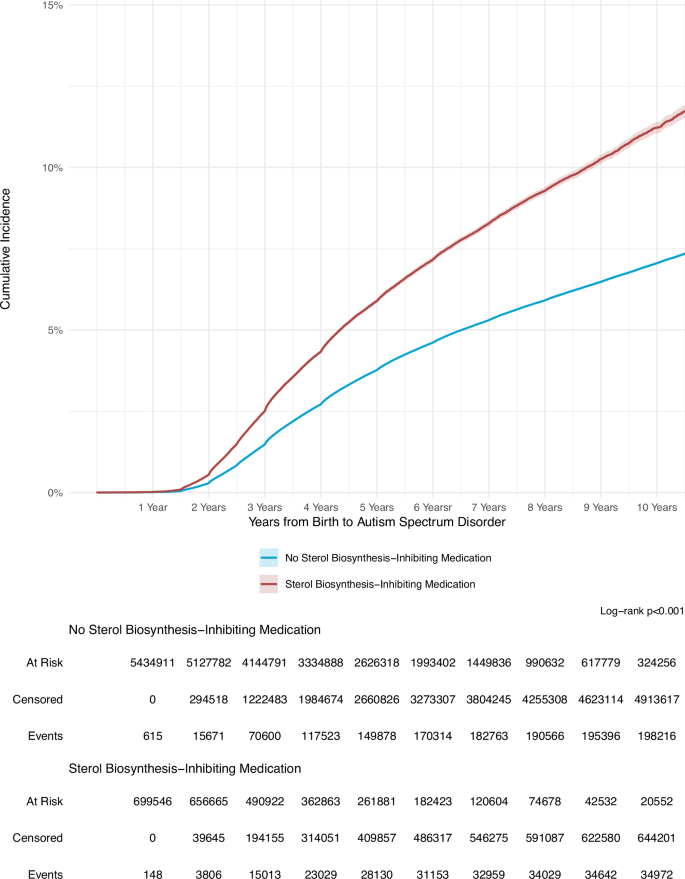 Study Links Antidepressants, Beta-blockers and Statins To Increased Autism Risk
 Pilot Study: Fibromyalgia Fatigue Improved By TENS Therapy








