Researchers have developed a new, highly efficient way to pair up cells so they can be fused together into a hybrid cell. The new technique should make it much easier for scientists to study what happens when two cells are combined. For example, fusing an adult cell and an embryonic stem cell allows researchers to study the genetic reprogramming that occurs in such hybrids.
The researchers, led by a collaboration between Joel Voldman, associate professor of electrical engineering and computer science at MIT, and Rudolf Jaenisch, professor of biology and a member of the Whitehead Institute, report the new technique in the Jan. 4 online edition of Nature Methods.
People with a sleep disorder that causes them to kick or cry out during their sleep may be at greater risk of developing dementia or Parkinson’s disease, according to a study published in Neurology.
The sleep disorder is called REM sleep behavior disorder. People with the disorder do not have the normal lack of muscle tone that occurs during REM sleep, often known as the dream stage of sleep. Instead, they have excessive muscle activity such as punching, kicking, or crying out, essentially acting out their dreams.
While examining patterns of DNA modification in lung cancer, a team of international researchers has discovered what they say is a surprising new mechanism. They say that "silencing" of a single gene in lung cancer led to a general impairment in genome-wide changes in cells, contributing to cancer development and progression.
In the Cancer Research study they also say they found a link between modification of the key gene, MTHFR, and smoking by lung cancer patients – even if the patient had smoked for a short period of time.
Variants of numerous DNA repair genes initially appeared to be statistically significantly associated with cancer risk in epidemiological studies. When the data from individual studies are pooled, however, few DNA repair gene variants appear truly associated with increased cancer risk, according to a field synopsis published in the Journal of the National Cancer Institute.
Because DNA damage is associated with cancer development, researchers hypothesized that genes required for DNA repair may influence risk of cancer. Initial reports supported the idea. A comprehensive review of the data has not been available previously.
Recent research by Tel Aviv University finds that young blood does a body good when it comes to fighting cancer.
The TAU researchers, led by Prof. Shamgar Ben-Eliyahu from the Department of Psychology's Neuroimmunology Research Unit, discovered that a transfusion of "young" blood –– blood which has been stored for less than 9 days –– increased the odds of survival in animals challenged with two types of cancer. This finding, reported in the journal Anesthesiology, may solve an age-old mystery as to why some blood transfusions during cancer-related surgeries may lead to an increased recurrence of cancer and others do not.
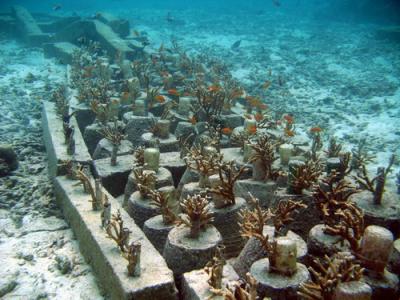
A team of scientists from the New York-based Wildlife Conservation Society (WCS) has reported a rapid recovery of coral reefs in areas of Indonesia, following the tsunami that devastated coastal regions throughout the Indian Ocean four years ago today.
The WCS team, working in conjunction with the Australian Research Council Centre of Excellence for Coral Reef Studies (ARCCoERS) along with government, community and non-government partners, has documented high densities of "baby corals" in areas that were severely impacted by the tsunami.


 Synchrotron Could Shed Light On Exotic Dark Photons
 The Pain Scale Is Broken But This May Fix It
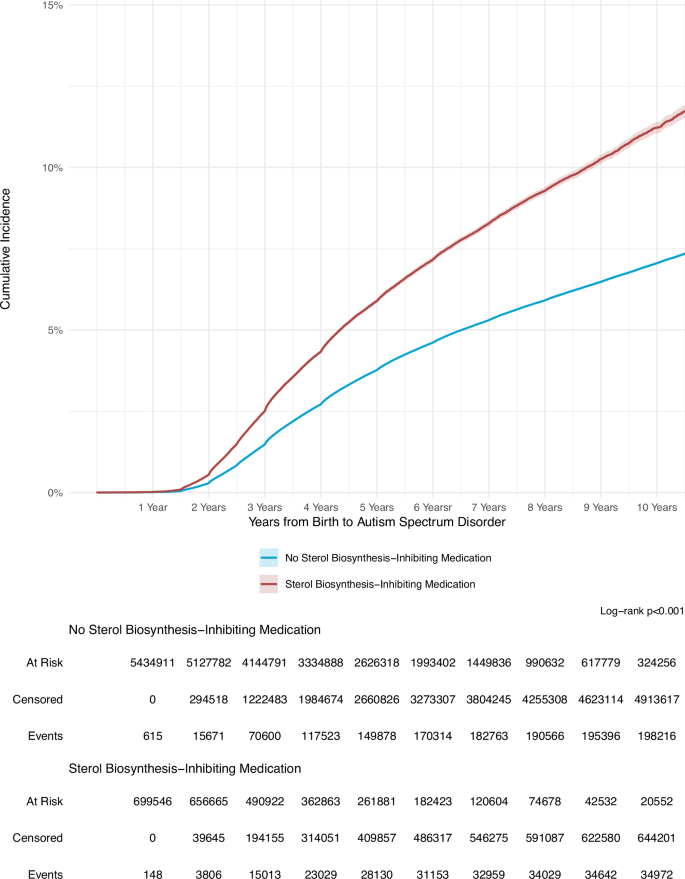 Study Links Antidepressants, Beta-blockers and Statins To Increased Autism Risk
 Pilot Study: Fibromyalgia Fatigue Improved By TENS Therapy